 By
Bangladesh has offered to supply more skilled, semi-skilled, and professional workers to Brunei Darussalam to meet the country’s labour market demand, according to MENAFN, republishing a Bangladesh Monitor report. The offer was made on November 3 during a meeting on the sidelines of the Commonwealth Heads of Government Meeting in Antigua and Barbuda.
Acting Foreign Minister Humaiun Kobir of Bangladesh met Brunei’s Second Minister of Finance Dr. Awang Haji Mohd Amin Liew bin Abdullah. The Bruneian minister expressed optimism about continued recruitment of Bangladeshi workers and recognised the expatriate community’s significant contribution to Brunei’s economy, according to a ministry release. The proposal signals interest in expanding employment opportunities beyond traditional labour categories.
What the offer covers
The Bangladesh proposal names three worker categories: skilled, semi-skilled, and professional. The source does not define which occupations fall into each group, and no quotas, wage figures, or sector targets were stated. For Brunei employers, the practical question is whether this broadens the existing pipeline or simply formalises current recruitment patterns.
Bangladeshi workers in Brunei have historically been concentrated in construction, plantation work, and general labour. The mention of professional workers is notable because it suggests Bangladesh is positioning itself for roles in sectors such as healthcare, engineering, and technical services, where Brunei has relied on other source countries. Employers should treat the announcement as a signal of intent rather than a change in recruitment rules. No new visa categories, quotas, or bilateral agreements were announced.
Brunei’s foreign worker framework
Brunei’s employment of foreign workers operates through the Labour Department under the Ministry of Home Affairs. Employers typically need a labour licence before hiring foreign nationals, and workers require employment passes. The process generally involves a job advertisement period to demonstrate that no suitable local candidate is available, though the specifics vary by role and sector.
The Department of Labour sets quotas for foreign worker intake by sector and sometimes by company. HR teams should confirm current quota availability and processing times with the Labour Department before acting on the Bangladesh offer. The announcement does not change these requirements. It is a diplomatic statement of willingness to supply workers, not a regulatory change.

What this means for payroll and compliance
Payroll teams in Brunei should note that hiring workers from Bangladesh does not alter statutory obligations. Employers must still comply with the Employment Order 2009, which sets minimum standards for wages, working hours, leave, and termination. Foreign workers are also subject to the mandatory contributions under the Employees Trust Fund, known as TAP, and the Supplemental Contributory Pension, known as SCP, unless exemptions apply.
One practical consideration is remittance. Many Bangladeshi workers send earnings home, and employers sometimes facilitate salary payments to overseas accounts. Payroll teams should confirm that any split-payment arrangement complies with Brunei’s wage payment rules and that the worker’s consent is documented. No new payroll rules were announced as part of this diplomatic meeting.
Investment proposals and the wider context
The meeting also covered two investment proposals from Bangladesh. Humaiun Kobir invited Brunei to invest in Bangladesh’s energy exploration sector through government-to-government arrangements and public-private partnerships. He also encouraged Brunei to invest in Bangladesh’s Islamic banking sector. These proposals are separate from the labour offer but reflect a broader effort to deepen economic ties.
The ministers expressed satisfaction with the growing momentum in bilateral relations. Humaiun Kobir conveyed an invitation from Prime Minister Tarique Rahman to the Sultan of Brunei to visit Bangladesh at a mutually convenient time. A state visit, if confirmed, could lead to formal agreements on labour cooperation, but no date or commitment was announced.
Steps for Brunei employers
Employers interested in recruiting Bangladeshi workers should first verify their current foreign worker quota with the Labour Department. The next step is to confirm whether the intended role falls under skilled, semi-skilled, or professional categories as defined by Brunei’s own classification system, not Bangladesh’s. The two countries may use different occupational frameworks.
Recruitment typically happens through licensed employment agencies in Brunei or through direct application with supporting documents. The Bangladesh High Commission in Brunei Darussalam provides attestation services for educational certificates and other documents, which is often required for professional roles. HR teams should budget time for document verification, medical screening, and employment pass processing.
The announcement does not provide a timeline for when additional workers might arrive or whether any fast-track process will be introduced. Until a formal agreement or memorandum of understanding is signed, the offer remains a diplomatic commitment rather than an operational change.
Sources: MENAFN
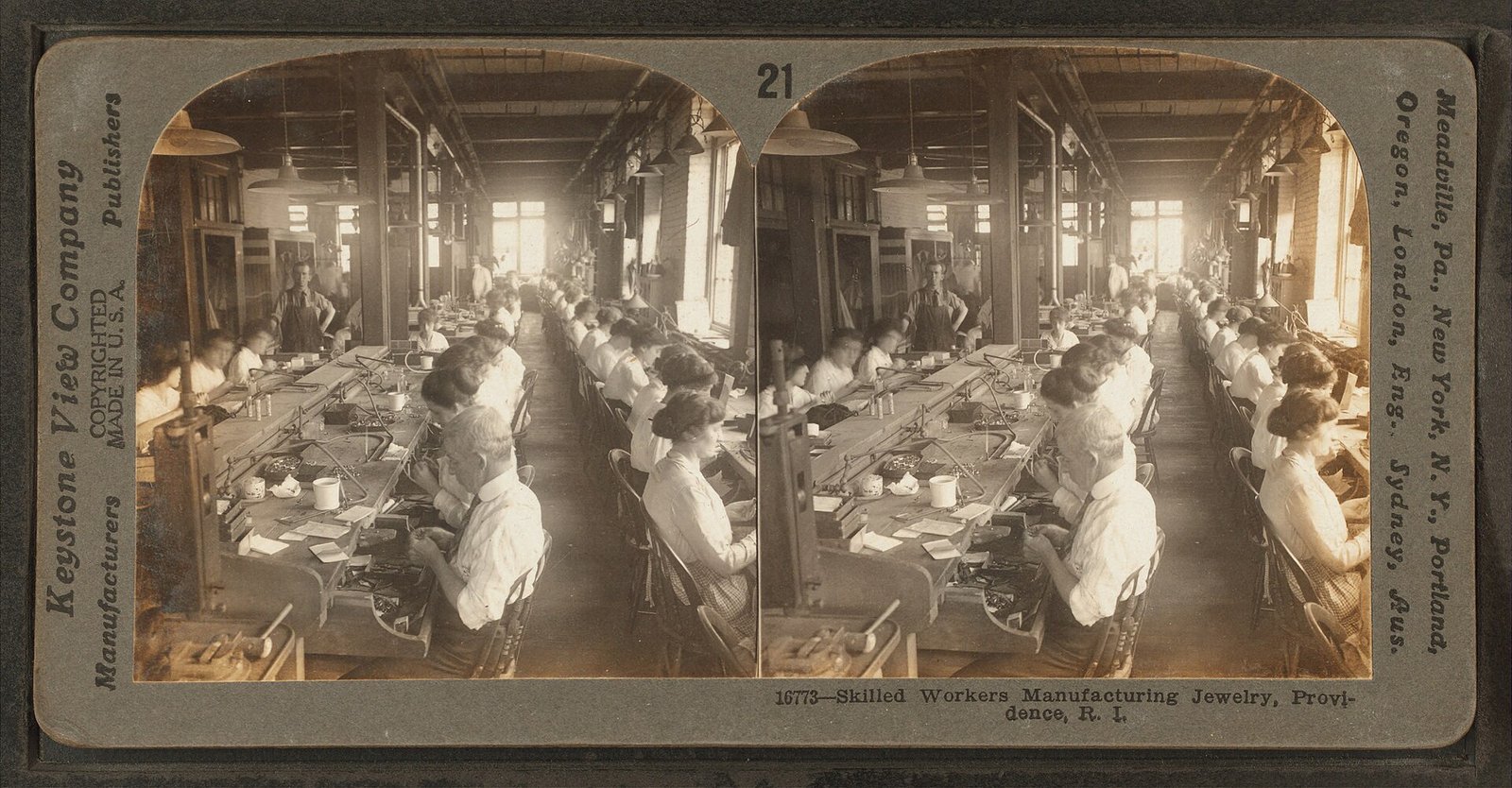
Photo: Skilled workers manufacturing jewelry, Providence, R.I, by Keystone View Company by Keystone View Company -- Photographer, Public domain