 By
The Department of Labor and Employment (DOLE) has launched Hotline 15/30, a new nationwide, round-the-clock hotline for workers’ labor-related concerns, according to NewsLine Philippines. Secretary Francis Tolentino announced the launch during the agency’s flag-raising ceremony on Tuesday, November 3.
The hotline replaces the previous Hotline 1349. Workers can dial 15/30 or 1530 anytime, anywhere in the country. The service is staffed by personnel available nationwide, 24 hours a day, seven days a week. “By dialing 15/30, there will be someone available nationwide, 24/7, to answer concerns about workers’ problems,” Tolentino said, as reported by NewsLine Philippines.
Why the number references paydays
The hotline’s name is deliberate. The 15th and 30th days of the month are when many Filipino workers typically receive their salaries. The choice signals that the service is anchored in the rhythm of the employment relationship, not just the moment a dispute escalates.
For payroll teams, the timing matters. Salary release dates in the Philippines often fall on the 15th and 30th, and discrepancies in pay, deductions, or final pay calculations tend to surface shortly after those dates. A hotline named after those days positions DOLE to receive questions when workers are most likely to notice problems with their payslips.
The previous 1349 hotline had been the public-facing number for labor concerns. DOLE has not published comparative data on call volumes or response times under the old number, so it is not possible to say how much of an operational change the new number represents. What is clear is that the agency is treating the relaunch as part of a broader modernization effort.
What the hotline is meant to handle
DOLE said the service is intended to let workers raise complaints, request assistance, seek clarification on labor regulations, and obtain guidance on employment-related matters without immediately visiting a DOLE office. That covers a wide range of issues: unpaid wages, illegal dismissal, non-remittance of mandatory contributions, questions about holiday pay, and disputes over working conditions.
The agency said the hotline is expected to improve handling of inquiries and complaints and allow more efficient responses to workers across different industries. DOLE also said the hotline would particularly benefit workers in remote communities who may have difficulty reaching government offices.
For HR and payroll practitioners, this has practical implications. Workers now have a lower-friction channel to raise concerns directly with the labor department. An employee who is confused about a deduction or a final pay computation can call before, or instead of, raising the matter internally. That does not change an employer’s obligations, but it does change the speed at which a misunderstanding can become a formal inquiry.
The TESDA referral arrangement
DOLE is developing a referral mechanism with the Technical Education and Skills Development Authority (TESDA) so concerns beyond DOLE’s mandate can be directed to the appropriate agency. TESDA Director General Kiko Benitez said inquiries received through the DOLE hotline may be referred to TESDA when they involve TESDA’s programs and services.
The inter-agency arrangement is intended to connect workers with the appropriate government office, particularly when concerns extend beyond DOLE’s mandate. For example, a caller asking about skills training or certification programs would be routed to TESDA rather than receiving an answer from DOLE staff who do not administer those programs.
The referral mechanism is still being developed. Neither DOLE nor TESDA has published a timeline for when it will be fully operational or how referrals will be tracked. Employers should not assume that a call to 15/30 about a training-related matter will automatically reach TESDA on the first attempt.
What this means for employers
The hotline does not create new labor standards or change existing obligations under the Labor Code of the Philippines. It changes access. A worker who previously might have waited to visit a DOLE regional office can now call at any hour. That means employers may hear about a DOLE inquiry after it has already been made, not before.
Payroll teams should review how they communicate pay computations, especially around the 15th and 30th. Clear payslips, documented deduction authorizations, and accessible explanations of final pay can reduce the likelihood that a worker calls DOLE for clarification that the employer could have provided directly.
HR teams should also note that the hotline is available 24/7. A call made outside business hours does not wait for the next working day to be logged. DOLE has not published details on how calls are triaged or how quickly they lead to follow-up action, so employers should treat the hotline as an intake channel rather than a resolution mechanism.
What remains unclear
The two sources reporting the launch differ on one point. NewsLine Philippines says the hotline is dialed as “15/30” and states the launch was announced at a flag-raising ceremony on Tuesday, November 3. The Chronicle writes the dialing number as “1530” and does not mention the November 3 flag-raising date. Both forms appear in DOLE’s own messaging, so workers should be able to use either.
DOLE has not published details on call center capacity, average response times, or how complaints received through the hotline are documented and referred to regional offices. The agency said the service is part of continuing efforts to modernize labor assistance programs, protect workers’ rights, and improve access to government support. The initiative supports President Ferdinand Marcos Jr.’s directive to strengthen public service delivery by making government assistance more accessible, efficient, and responsive.
Employers with questions about how a specific complaint will be handled should confirm directly with their DOLE regional office, since procedures may vary by location.
Sources: NewsLine Philippines, thechronicle.com.ph
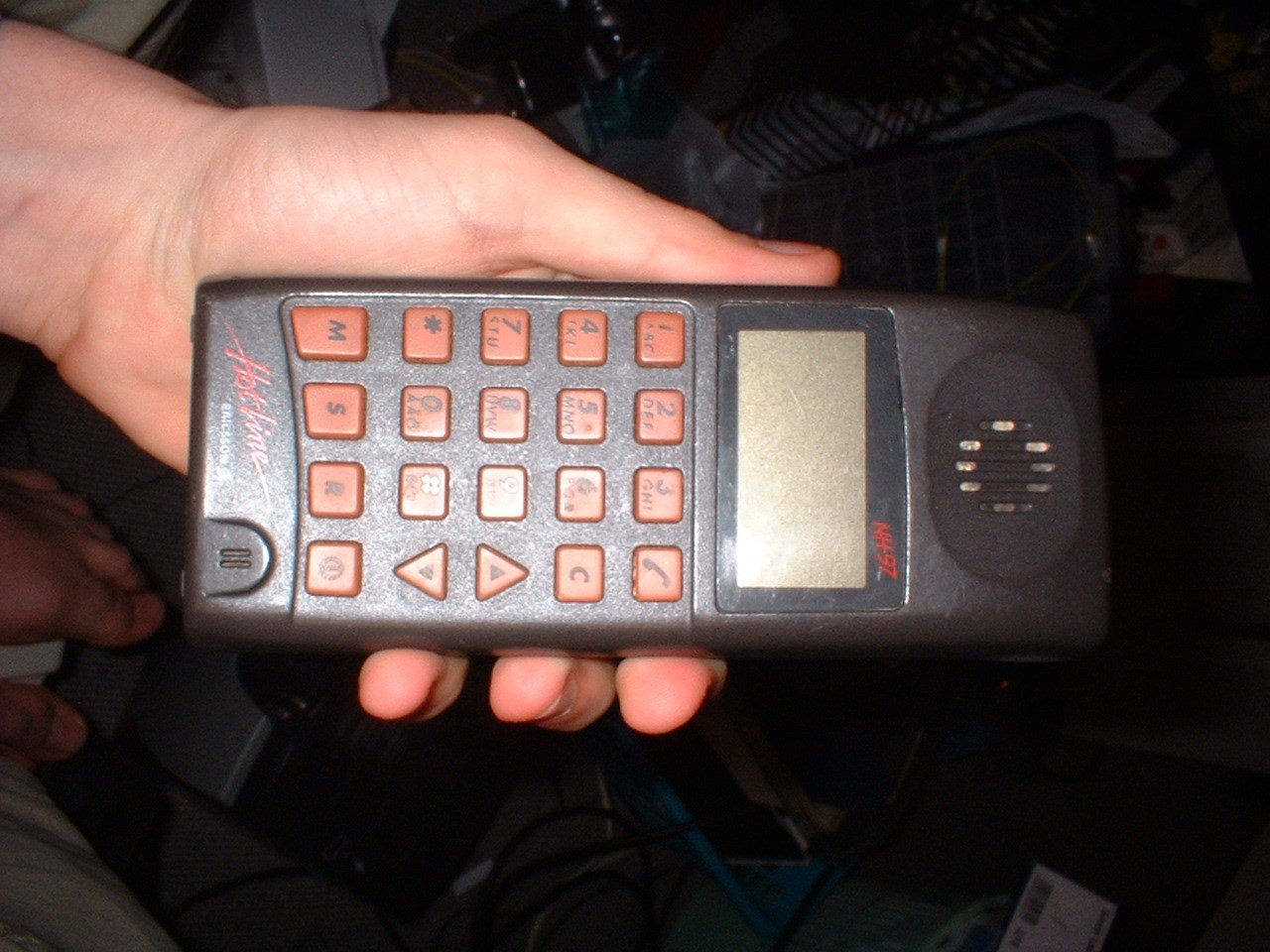
Photo: NMT450-Ericsson-Hotline-NH97 by Anton Merlina Bonnafous, CC BY-SA 3.0