 By
Washington state’s Paid Family & Medical Leave premium will increase to 1.2% on January 1, 2027, up from the current 1.13%, according to HRMorning. The employer and employee shares are also being adjusted: employers will pay 29.3% of the premium, while employees will cover 70.7%.
The change applies to gross wages excluding tips, up to the Social Security wage cap. Employers may choose to cover some or all of the employee share, but missed employee premiums cannot be withheld retroactively. First-quarter reports and premiums are due April 30, 2027.
How the split works in practice
Washington’s program has always divided the premium between employers and workers, but the ratio shifts periodically based on statutory formulas. For 2027, the employer portion rises to 29.3% of the total 1.2% rate, meaning employers pay roughly 0.35% of covered wages while employees pay roughly 0.85%.
The small-employer rule remains a key distinction. Businesses with fewer than 50 employees generally do not have to pay the employer share. They must still collect employee premiums or cover them voluntarily. The exception is employers receiving a small-business assistance grant, which triggers a three-year obligation to pay the employer share.
Payroll teams should verify how their system calculates the split. Some platforms default to the prior year’s ratio until manually updated, which could cause undercollection in early 2027.
What payroll teams need to change before January 1
The deadline for updating payroll is firm. Employers should notify employees before the new rate takes effect, since the employee share increases alongside the total rate. A worker earning $70,000 in covered wages would see their annual premium contribution rise from roughly $559 to roughly $595, assuming the standard 70.7% employee share and no employer subsidy.
Steps to complete before January 1, 2027:
- Update the premium rate in payroll software to 1.2% and confirm the employer/employee split is set to 29.3% and 70.7%.
- Review whether the company qualifies for the small-employer exemption or has a grant obligation.
- Communicate the change to employees, including the new deduction amount and effective date.
- Confirm that tips remain excluded and that the Social Security wage cap is applied correctly.

Deadlines and reporting obligations
The first reporting period affected by the new rate closes March 31, 2027. Q1 reports and premium payments are due April 30, 2027. Employers that fail to remit on time may face interest and penalties under Washington’s existing enforcement framework.
A common mistake is attempting to recover missed employee premiums after the fact. Washington law does not permit retroactive withholding for employee shares that were not deducted in the correct pay period. If an employer fails to deduct the employee portion, the employer typically must absorb that cost for the affected period.
What this means for budgeting and hiring
The increase is modest in percentage terms but compounds with other Washington payroll costs. Employers with large Washington workforces should model the impact across 2027 payroll budgets, particularly if they cover the full premium as a benefit.
For hiring teams, the total cost of employment in Washington shifts slightly. A candidate earning $100,000 in covered wages would carry a combined premium cost of $1,200 for 2027, split between employer and employee according to the new ratio. Employers that advertise full premium coverage as a benefit should account for the higher rate in offer letters and total compensation statements.
The state has not indicated whether further rate changes are expected for 2028. Employers should monitor the Washington Employment Security Department’s paid leave premium page for updates, as the rate is reviewed annually.
Sources: HRMorning
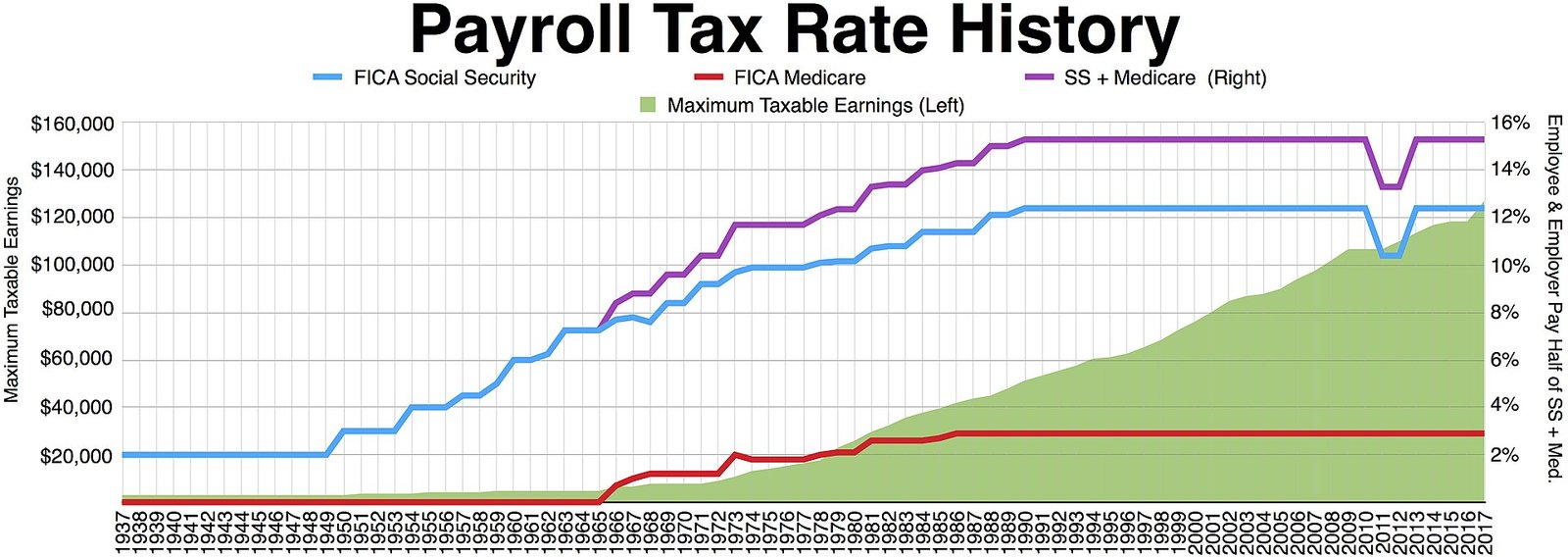
Photo: Payroll tax history by Wikideas1, CC BY-SA 4.0