 By
Walmart has agreed to pay nearly $8 million to settle child labor violations in Pennsylvania, according to HRKatha. The settlement includes $7.68 million in administrative penalties, in addition to $142,785 in fines the retailer had already paid after initial investigations.
The Pennsylvania Department of Labor and Industry began investigating in February 2025 after receiving complaints that minors had been injured while working at Walmart stores. Investigators carried out 10 audits across eight Walmart locations and found an average of 65 violations of the state’s Child Labor Act during each audit. Violations included allowing minors to work beyond legally permitted hours and failing to obtain mandatory work permits for underage employees. After finding a recurring pattern of non-compliance at the audited stores, Pennsylvania authorities expanded the investigation to Walmart locations across the state. Governor Josh Shapiro described the action as “one of the largest child labour enforcement cases in US history.”
What the violations involved
The two violation categories named in the settlement are distinct in practice. Hour violations occur when a minor works before or after permitted times, or exceeds daily and weekly caps that vary by age and whether school is in session. Permit violations occur when an employer fails to secure a work permit before a minor starts, or fails to keep the permit on file at the work location.
Pennsylvania’s Child Labor Act sets different rules for minors under 14, minors aged 14 and 15, and minors aged 16 and 17. The youngest group faces the tightest restrictions, including limits on hours during school weeks and prohibitions on certain equipment. The settlement does not specify which age bands were involved at the audited Walmart locations, but the scale of violations across eight stores suggests systemic issues rather than isolated manager error.
Why this case matters for HR and payroll teams
The Walmart settlement is a reminder that child labor compliance is not confined to factories, farms, or small businesses. Large retailers with centralized HR systems can still fail at the store level when local managers do not verify permits or schedule minors within legal limits.
For HR teams, the practical risk sits at the intersection of hiring and scheduling. A minor can be hired lawfully but then scheduled unlawfully by a store manager who does not know the age-specific hour rules. Payroll systems may flag overtime or missed breaks, but they rarely flag child labor hour violations unless the system is configured with age data and jurisdiction-specific rules.
The settlement also shows that state authorities can expand an investigation beyond the original complaint sites when audits reveal a pattern. What began with injury complaints at specific stores became a statewide review. Employers should assume that any child labor complaint can trigger a broader look at all locations in that state.
Steps employers can take now
HR and payroll leaders should treat this settlement as a prompt to review their own controls. The following steps align with the compliance measures Walmart committed to as part of the settlement.
First, confirm that work permit data is collected at hire and stored where local managers can access it. A permit sitting in a corporate system is not useful if a store manager cannot verify it during a state inspection.
Second, build age-based scheduling rules into workforce management systems. This requires capturing date of birth in a structured field and mapping it to state-specific hour limits. Some systems support this natively; others require custom rules.
Third, train store and location managers on the specific hour limits for each age band in their state. Training should cover school-week and non-school-week differences, since these change several times a year.
Fourth, run periodic self-audits at a sample of locations. Pennsylvania investigators found an average of 65 violations per audit, which suggests that many violations are visible in scheduling records if anyone looks.
What the settlement does and does not resolve
The settlement resolves the administrative penalties in Pennsylvania. It does not resolve any federal enforcement action, private litigation, or claims in other states. Walmart stated that it was pleased to resolve the matter and maintained that it already has compliance processes in place, including procedures for meeting legal documentation requirements. The company added that it regularly reviews and improves these systems.
Employers in other states should not assume that Pennsylvania’s rules match their own. State child labor laws vary on permitted hours, permit requirements, and recordkeeping. Federal law under the Fair Labor Standards Act sets a baseline, but states may impose stricter rules. Employers should confirm the specific requirements for each state where they employ minors.
Sources: HRKatha
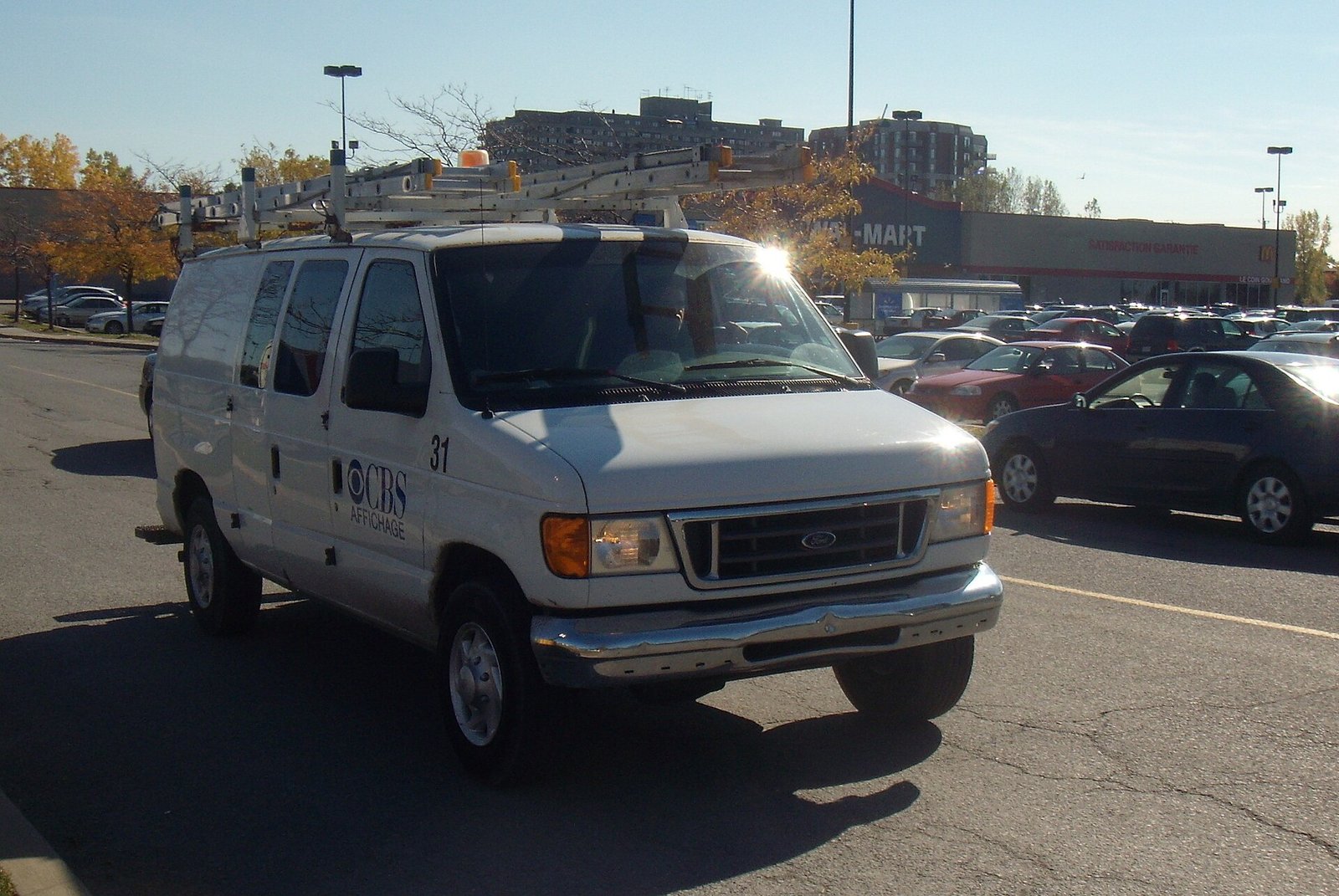
Photo: '06-'07 Ford E-250 Wagon CBS Outdoor -- Front & Walmart Store by Bull-Doser at English Wikipedia, Public domain