 By
The Department of Labor and Employment has reminded employers in the Philippines that workers cannot be compelled to perform or participate in presentations during company Christmas parties. DOLE said participation in holiday activities must be voluntary and employees should be free to decline without fear of punishment, according to Manila Standard.
Roberto Cabardo, DOLE Central Visayas information officer, said forcing employees to dance or take part in performances against their will may constitute bullying. Workers should not face disciplinary action or other penalties for refusing to participate, Cabardo said. DOLE also urged employers to respect workers’ rights and ensure workplace activities do not expose employees to coercion or harassment. The statement was reported on October 22, 2026.
What the law actually says
The Labor Code of the Philippines does not contain a specific provision about Christmas party performances. However, the general principle is that an employee cannot be forced to join or perform in activities outside their job description. The Labor Code lists only five just causes for punishing an employee: serious misconduct, gross and habitual negligence, fraud or loss of confidence, crime against the employer or their family, and analogous circumstances, which may include violations of company policies.
Refusing to dance at a Christmas party does not fit neatly into any of these categories. An employer who disciplines a worker for declining to perform would struggle to justify the penalty under the just causes framework. The Safe Spaces Act, also known as Republic Act No. 11313, provides protection against gender-based sexual harassment in certain settings. Whether a forced performance violates the law depends on the circumstances, DOLE said. For example, requiring revealing costumes or forcing physical contact during a dance number could cross into harassment territory, but a simple group song may not.
What counts as coercion
The line between encouragement and coercion matters. A team leader saying “it would be fun if we all joined” is different from a manager stating “everyone must join or face a memo.” The second scenario creates a threat of penalty, which is what DOLE is warning against. The first does not.
Informal social pressure is harder to address. Philippine workplace culture often includes strong expectations around Christmas party participation, and employees may feel obligated even without an explicit threat. DOLE’s statement does not create a new enforcement mechanism for social pressure. It clarifies that formal punishment for non-participation is not permitted. Employees who face threats of disciplinary action, demotion, or other penalties for refusing to perform can file a complaint with the National Labor Relations Commission. If the work atmosphere becomes hostile after a refusal, the employee may have a constructive dismissal claim, which is treated as illegal dismissal under Philippine labor law.
Practical guidance for HR teams
HR practitioners planning Christmas parties should document that participation is voluntary. A written invitation stating “participation in performances is optional” creates a record that can protect the company if a dispute arises. Avoid memos that list employees assigned to performance roles without an opt-out mechanism.
The timing of the party may also matter. A party held during work hours on company premises is more clearly a workplace event, which means workplace conduct rules apply more directly. An after-hours party at an external venue is still a company event if the employer organizes it, but the legal analysis may differ. Employers should apply the same voluntary participation standard regardless of venue.
Religious accommodation is another consideration. Some employees belong to faith traditions that prohibit dancing or certain types of performances. Forcing participation in these cases could raise discrimination concerns beyond the DOLE statement. Employers should ask employees privately about any restrictions rather than requiring public explanations.
Filing a complaint
Employees who believe their rights have been violated may seek assistance from DOLE to determine the appropriate course of action, according to the Manila Standard report. Complaints related to illegal dismissal or threats of disciplinary action can be filed before the National Labor Relations Commission. The NLRC handles labor disputes including constructive dismissal claims.
Evidence matters. Employees should keep emails, messages, or memos that show a requirement to participate or threats of penalty for non-participation. Witness statements from colleagues can support a claim. The burden of proof in labor cases generally falls on the employer to show that any disciplinary action was based on a just cause. If an employee was not punished but was harassed after refusing, the harassment itself may be actionable.
DOLE’s statement is a reminder rather than a new law. The legal remedies available to employees come from existing statutes: the Labor Code, the Safe Spaces Act, and related labor regulations. Employers who ignore the reminder risk NLRC complaints, potential damages, and administrative scrutiny from DOLE.
Sources: Manila Standard
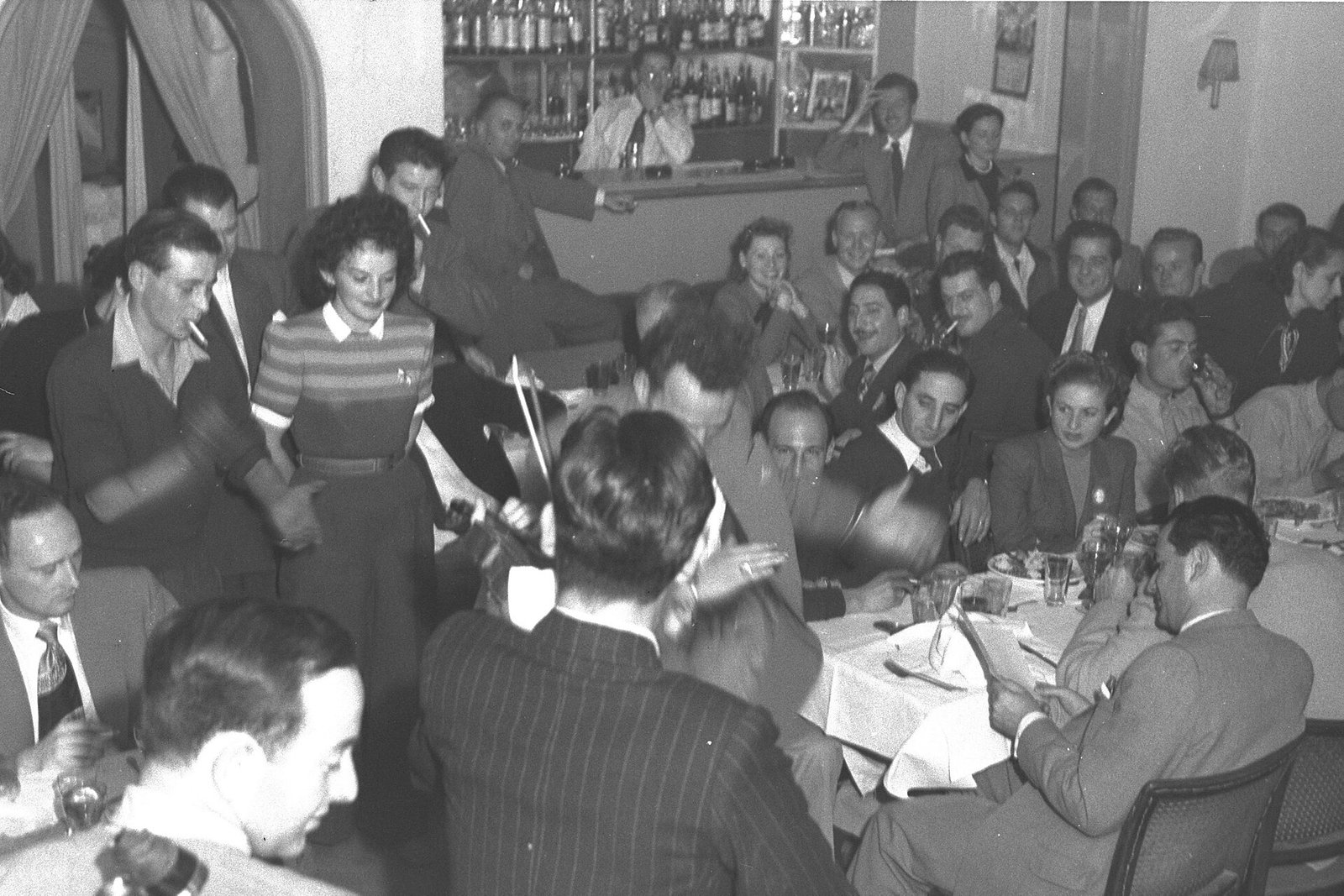
Photo: Flickr - Government Press Office (GPO) - Mahal Christmas party in Tel Aviv by https://www.flickr.com/people/69061470@N05, CC BY-SA 3.0