 By
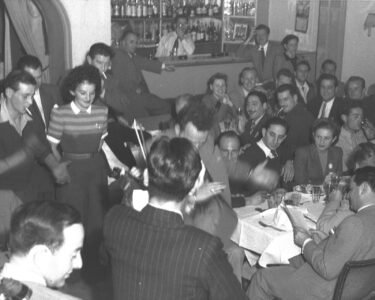
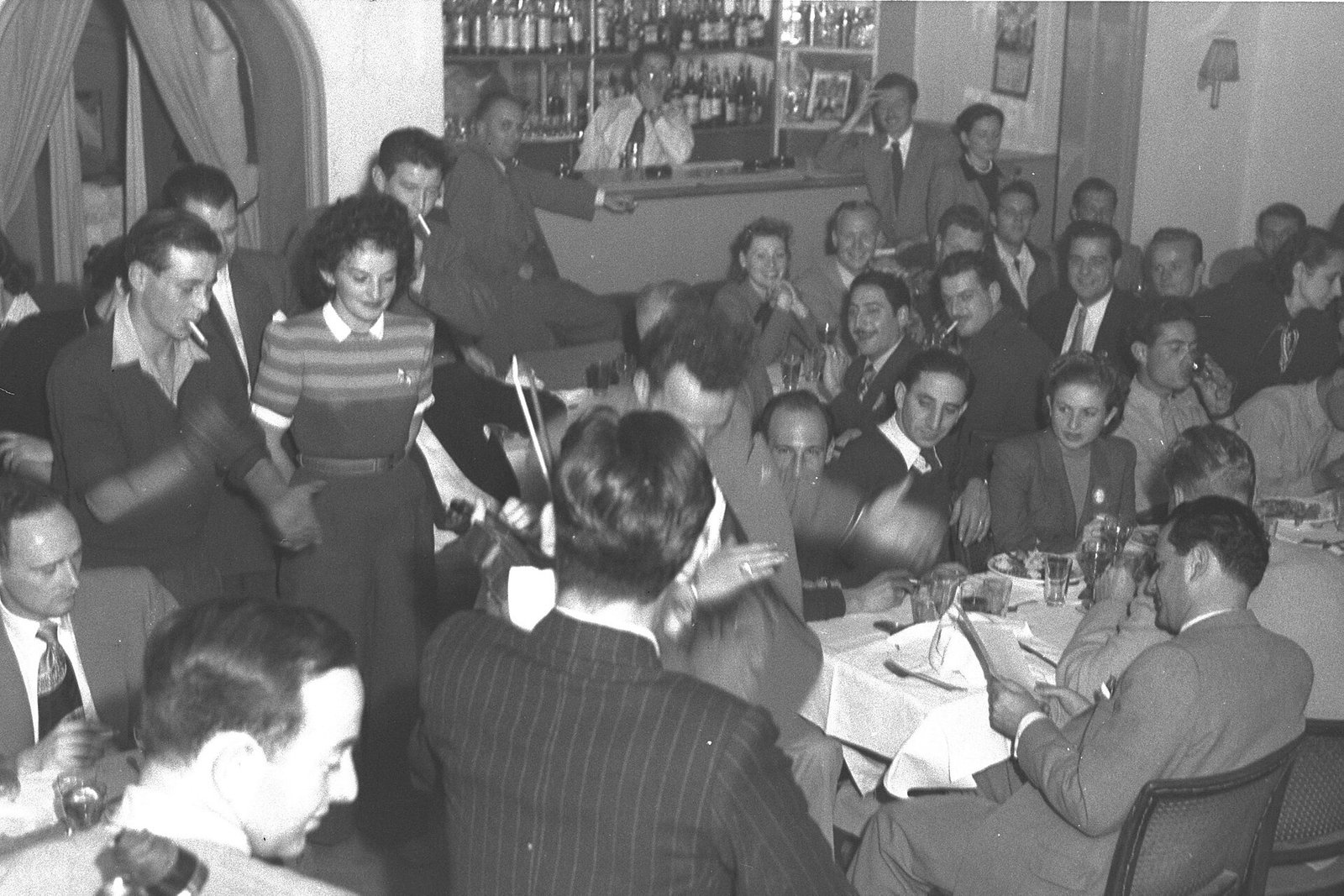
The Department of Labor and Employment has reminded employers in the Philippines that workers cannot be compelled to perform or participate in presentations during company Christmas parties. Roberto Cabardo, DOLE Central Visayas information officer, said forcing employees to dance or take part in performances against their will may constitute bullying, according to Manila Standard.
Cabardo added that workers should not face disciplinary action or other penalties for refusing to participate. DOLE said participation in holiday activities must be voluntary and employees should be free to decline without fear of punishment. The agency also urged employers to respect workers’ rights and ensure that workplace activities do not expose employees to coercion or harassment.
What the DOLE statement actually covers
The statement came from DOLE Central Visayas, also known as Region 7, not the central DOLE office in Manila. No national department order, labor advisory, or memorandum circular has been cited that formally codifies the voluntary nature of Christmas party performances. This matters for employers and HR teams because regional statements carry persuasive weight but are not the same as a national issuance.
The Safe Spaces Act, or Republic Act No. 11313, provides protection against gender-based sexual harassment in certain settings. Whether a forced performance violates that law depends on the circumstances, DOLE noted. The law covers workplace settings and can apply to conduct at work-related events, but its application to a mandatory dance or skit is not automatic.
Attendance versus performance: a legal distinction
Philippine labor law does not clearly answer whether Christmas party attendance itself is mandatory. The sources reviewed do not cite a specific provision that requires or prohibits mandatory attendance. However, the DOLE statement focuses on performance, not attendance. An employer may have stronger grounds to require attendance at an event held during work hours than to require an employee to sing, dance, or act.
The distinction matters because the legal risk differs. Requiring attendance at a company event during paid hours is generally treated as a work assignment. Requiring a performance is different because it involves personal expression, potential humiliation, and a power imbalance. Cabardo’s statement that consent is required reflects this: an employee who volunteers to perform is in a different position from one who is told to perform or face consequences.
What employees can do if forced to perform
Employees who believe their rights have been violated may seek assistance from DOLE to determine the appropriate course of action, Cabardo said. The practical route often starts earlier. According to legal advice reported by PhilSTAR Life, employees should first file a complaint with the company’s grievance machinery if one exists, before reaching out to DOLE.
If an employer threatens disciplinary action for refusing to participate, the employee may file a complaint before the National Labor Relations Commission and seek damages. The NLRC handles labor disputes including illegal dismissal and money claims. The process typically requires evidence such as written threats, messages, or witness statements showing that the refusal to perform led to a penalty or threat of one.
The Safe Spaces Act may apply where the coercion has a gendered dimension. Christmas party performances often involve gendered expectations, such as requiring women to dance or men to perform certain roles. Where the pressure is sexualized or targets someone based on sex, the law’s protections are more clearly relevant.
Employer compliance checklist
Employers can reduce legal risk by treating all Christmas party performances as opt-in. That means no sign-up sheets that imply mandatory participation, no assigning roles to new or probationary employees, and no public pressure during the event. Consent should be given freely, not extracted through jokes, peer pressure, or implied consequences.
Documenting consent is prudent but not a complete defense. A signed waiver does not override a finding of coercion if the employee can show the consent was not genuine. The safer practice is to make the default position that no one performs unless they ask to.
The 13th month pay obligation under Presidential Decree 851 is separate from Christmas party conduct. Employers must pay the 13th month benefit regardless of whether an employee attends or performs at a party. Linking the two would create a clear legal problem.
What remains unclear
The sources do not provide a named example of an employee who filed a case over forced Christmas party performance, nor a company penalized for it. The PhilSTAR Life article that first reported the DOLE statement is dated October 21, 2026, which appears inconsistent with the surrounding content and may be a typographical error. The exact date of the news forum where Cabardo spoke is not stated in the available reporting.
No national DOLE issuance has been identified that addresses Christmas party performances directly. Employers outside Central Visayas should treat the regional statement as guidance rather than a binding rule, while recognizing that the underlying principles of consent and non-coercion apply nationwide under general labor standards and the Safe Spaces Act.
Sources: Manila Standard
Photo: Flickr - Government Press Office (GPO) - Mahal Christmas party in Tel Aviv by https://www.flickr.com/people/69061470@N05, CC BY-SA 3.0