State voting leave laws vary widely, payroll teams must review policies
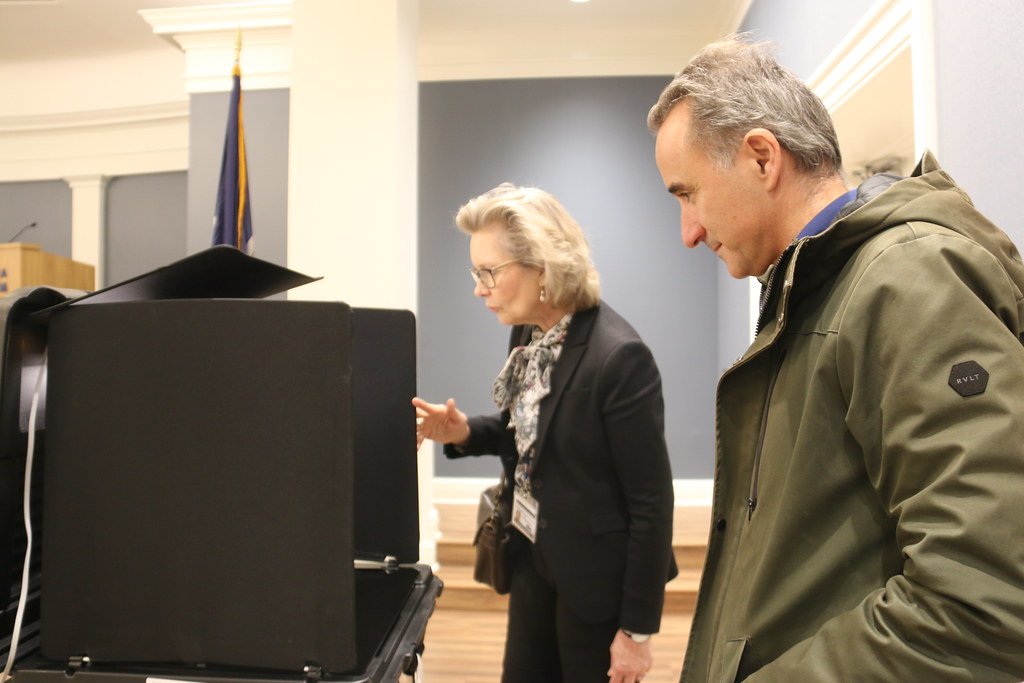
With Election Day approaching on Tuesday, Nov. 3, 2026, payroll teams need to review state voting leave requirements before time-off requests begin, according to HRMorning.
Four states show why a single companywide policy may not be enough, as rules vary widely on paid time, notice, and employer obligations.
California: up to two hours paid
In California, employees who lack sufficient time outside working hours to vote may take the additional time they need, with up to two hours paid. Employees who anticipate needing leave must generally give at least two working days’ notice. Employers must post a notice at least 10 days before the election.
Minnesota: time needed without loss of pay
Under Minnesota law, employees may take the time needed to vote during scheduled working hours without losing pay or using personal leave or vacation time. Employers cannot interfere with employees’ choice of when to vote, though they may ask employees to provide notice and coordinate absences. The right also applies to in-person early voting before Election Day.
New York: up to two hours paid if no four-hour window
In New York, eligible employees can receive up to two hours of paid leave if they don’t have four straight hours to vote before or after their shift while polls are open. Employees must notify their employer two to 10 working days before the election. Employers may designate leave at the beginning or end of the shift and must post a notice at least 10 working days before the election.
Nevada: one to three hours based on distance
Under Nevada law, registered voters who cannot reasonably vote before or after working hours are entitled to one to three hours of paid leave, depending on the distance between the workplace and polling place. Employees must apply before Election Day, and employers may designate when leave is taken.
What this means for payroll teams
Payroll professionals should confirm which jurisdiction’s requirements apply based on where each employee works, including remote workers. They should establish a request process that addresses employee notice deadlines and whether managers may designate leave hours.
Using a consistent pay code to distinguish voting leave from hours worked and other paid leave helps verify required pay and prevent prohibited PTO deductions. Payroll should also coordinate with HR to make sure required voting-leave notices are posted on time. For example, California’s deadline is 10 days before the election; New York’s is 10 working days.
Sources: HRMorning