 By
A New Jersey drywall installer must pay $725,000 after a federal investigation found the company failed to pay 48 workers overtime for pre-shift work performed while they waited for transportation to job sites, according to HRMorning.
The U.S. Department of Labor’s Wage and Hour Division determined that P & B Partitions Inc. violated the Fair Labor Standards Act’s overtime rules. The company also refused to pay the wages after the investigation. A consent judgment in federal court in New Jersey now requires the company to pay $350,000 in back wages, $350,000 in liquidated damages, and $25,000 in civil penalties. The DOL said “employees must be paid for pre-shift work done while they wait for transportation to the worksite.”
What the FLSA says about pre-shift waiting time
The Fair Labor Standards Act requires employers to pay for all hours worked, and the definition of “worked” extends beyond active production time. When employees are required to report at a certain time and then wait for transportation, that waiting period can count as compensable work time if the employees are under the employer’s control and cannot use the time for their own purposes.
The key distinction under FLSA principles is whether the waiting time is predominantly for the employer’s benefit or the employee’s. When workers must gather at a designated location, remain available, and board employer-arranged transportation, courts and the DOL have generally treated that time as hours worked. This case reinforces that pre-shift waiting tied to employer-controlled transportation is not automatically off the clock.
Why liquidated damages double the cost
The $725,000 total includes $350,000 in back wages and an equal $350,000 in liquidated damages. Under the FLSA, liquidated damages are not a fine imposed at the court’s discretion in the same way as civil penalties. They are a statutory remedy designed to compensate employees for the delay in receiving wages they were owed.
Employers can avoid liquidated damages only by showing they acted in good faith and had reasonable grounds to believe their pay practices complied with the law. That is a difficult standard to meet, and the fact that P & B Partitions refused to pay after the investigation likely undermined any good-faith argument. The separate $25,000 in civil penalties reflects the DOL’s authority to seek additional monetary sanctions for willful or repeated violations.
Payroll implications for employers with pre-shift routines
Payroll and HR teams should review any routine that requires employees to arrive before their official start time, especially when transportation is involved. Common scenarios include construction crews meeting at a yard or warehouse, healthcare workers waiting for shuttle buses, and manufacturing employees gathering for shift briefings.
The practical test is whether employees are free to leave or use the time for personal activities. If attendance is mandatory, if failure to show would result in discipline, or if the employer directs where employees must wait, the time is likely compensable. Timekeeping systems should capture the actual start of the workday, not the departure time from the worksite or the scheduled shift start.
Employers should also confirm state rules. Some states have daily overtime thresholds or stricter definitions of hours worked that go beyond federal requirements. New Jersey, for example, has its own wage and hour laws, and employers should verify how state and federal standards interact for their specific workforce.
What the consent judgment means for enforcement
A consent judgment is a court-approved settlement that carries the force of a court order. For P & B Partitions, this means the payment obligations are enforceable through contempt proceedings if the company fails to comply. It also creates a public record that can influence future DOL investigations or private litigation involving the same employer.
For other employers, the case signals that the DOL continues to pursue pre-shift and waiting-time violations in industries where workers gather at a central location before traveling to dispersed job sites. Construction, landscaping, home healthcare, and staffing firms face similar exposure if their transportation and timekeeping practices do not account for pre-shift waiting periods.
Steps HR should take now
HR and payroll leaders can reduce exposure by auditing timekeeping practices for any role that involves pre-shift gathering or employer-provided transportation. The review should identify when employees are required to arrive, what they are asked to do while waiting, and whether the time is recorded and paid.
If the audit finds unpaid pre-shift time, the employer should calculate the back wages owed and consider whether a self-audit or voluntary correction is appropriate. The DOL has procedures for resolving some violations without litigation, though legal counsel should be involved before any communication with the agency. The refusal to pay after an investigation, as alleged in this case, can escalate penalties and make a negotiated resolution harder to reach.
Sources: HRMorning
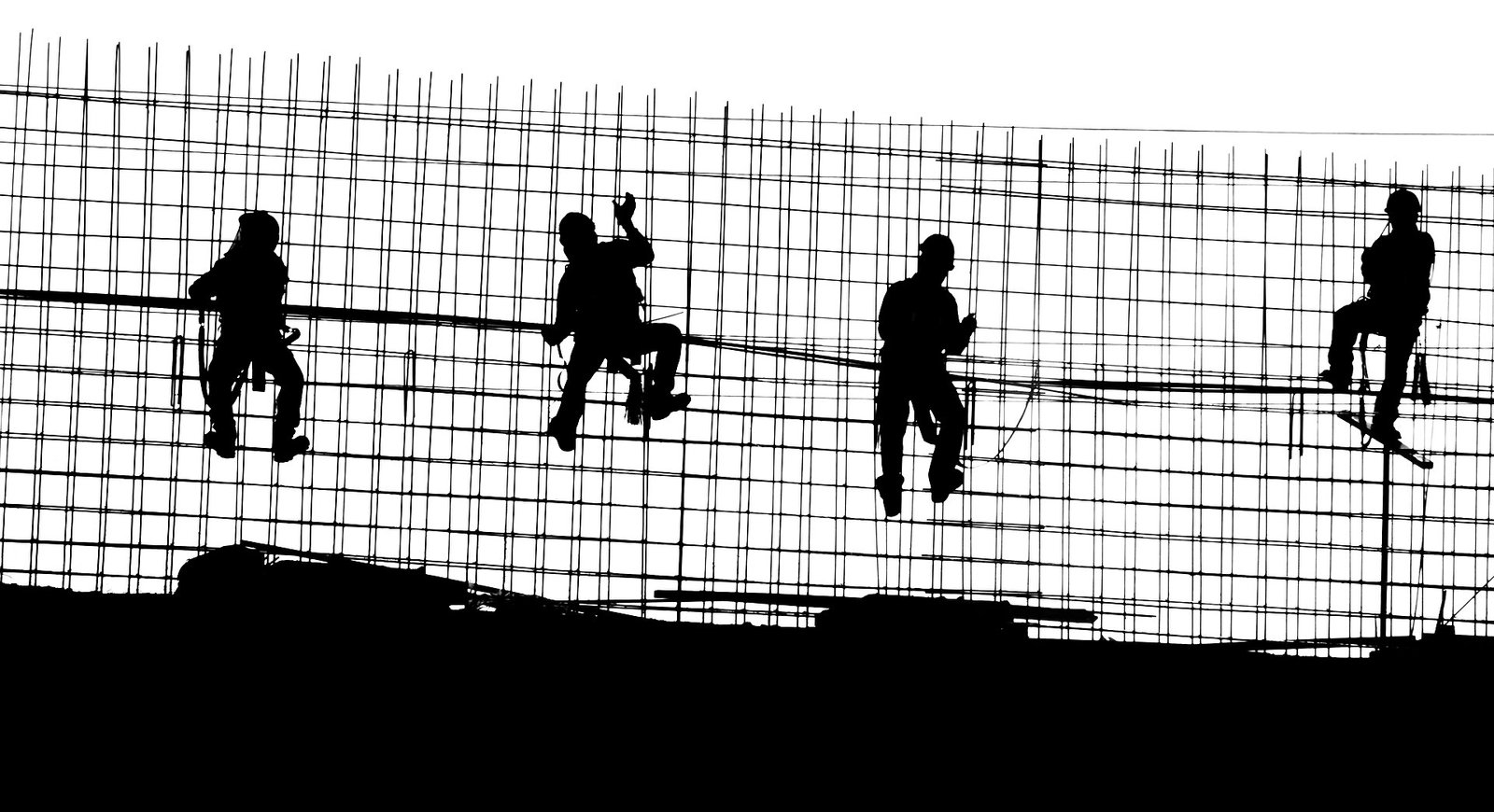
Photo: Construction workers in Mexico by Tomascastelazo, CC BY-SA 4.0