 By
Singapore retrenchments rose to 4,800 in the third quarter of 2026, up from 4,620 in the previous quarter and the highest level since 2020, according to Outsource Accelerator, citing preliminary Ministry of Manpower figures published on 30 October. The increase came despite overall employment growth of 27,700 over the same period, excluding migrant domestic workers.
Services accounted for 4,000 of the retrenchments, manufacturing for 700 and construction for 100. The incidence of retrenchment held steady at 2.0 per 1,000 employees. Business reorganisation remained the main driver, with retrenchments staying elevated in outward-oriented sectors including information and communications, financial services and manufacturing.
What the split between resident and non-resident employment means
The headline employment growth figure masks a significant compositional shift. Non-resident employment accounted for the majority of the 27,700 increase, concentrated in construction and manufacturing. Resident employment gains came mostly from essential and public services.
For HR teams, this matters because retrenchment obligations and support measures differ depending on whether affected employees are Singapore citizens, permanent residents or work pass holders. When a company retrenches, it must notify the Ministry of Manpower within five working days if the affected employee holds a work pass. For citizens and permanent residents, there is no equivalent statutory notification duty, but employers are expected to follow the Tripartite Advisory on Managing Excess Manpower and Responsible Retrenchment.
The advisory sets out expectations around selection criteria, retrenchment benefits and communication. It is not law, but the Ministry of Manpower can take non-compliance into account when assessing future work pass applications. Employers that retrench resident employees while continuing to hire or retain foreign workers in similar roles may face scrutiny.
Unemployment is edging up even as hiring intentions improve
The overall unemployment rate remained at 2.0 percent in September, but the resident rate edged up to 3.0 percent from 2.9 percent in August, and the citizen rate to 3.1 percent from 3.0 percent. These are small movements, but they point in the same direction as the retrenchment figures.
At the same time, the share of firms expecting to hire over the next three months rose to 42.3 percent in September from 30.5 percent in August, though it remained below July levels. The share expecting to raise wages rose to 19.9 percent from 16.9 percent. The share expecting to retrench edged up to 3.1 percent from 2.8 percent.
The picture is therefore mixed: parts of the labour market are weakening while others continue to hire. The Ministry of Manpower said the data “points to emerging weaknesses in parts of the labour market that warrant close monitoring.”
What the SkillsFuture Workforce Development Grant covers
The Ministry of Manpower pointed employers to the SkillsFuture Workforce Development Grant, specifically the Job Redesign+ component, which funds up to 70 percent of workforce transformation and job redesign project costs.
For HR and payroll teams, this is relevant in two ways. First, it can offset the cost of restructuring roles before retrenchment becomes necessary. Job redesign projects typically involve reviewing tasks across a team, identifying which can be automated or consolidated, and retraining employees for new responsibilities. Second, where retrenchment is unavoidable, a documented job redesign effort can support the company’s position that it considered alternatives before cutting headcount.
Employers should note that grant applications take time. The Ministry of Manpower has not published processing timelines in the advance release, and companies should confirm current terms and eligibility directly with SkillsFuture Singapore before committing to a project budget.
Practical steps for HR and payroll teams
The retrenchment figures do not change Singapore’s statutory retrenchment framework, but they do raise the likelihood that HR teams will need to apply it. The key steps remain consistent with the tripartite advisory.
First, establish a clear selection process based on objective criteria such as skills, performance and business need, and document it. Second, calculate retrenchment benefits in line with the prevailing norm, which the advisory describes as between two weeks and one month of salary per year of service, depending on the company’s financial position and industry norms. Third, notify the Ministry of Manpower within five working days for work pass holders and submit the required retrenchment notifications for all affected employees.
Payroll teams should also prepare for the tax treatment of retrenchment payments. Retrenchment benefits are generally not taxable in Singapore if they are compensation for loss of employment, but payments in lieu of notice are taxable. Employers should confirm the treatment of each component with the Inland Revenue Authority of Singapore or a tax adviser, as the distinction can affect final pay calculations.
The full third-quarter labour market report is due in mid-December 2026 and will provide more detail on retrenchment by industry and occupation.
Sources: news.outsourceaccelerator.com
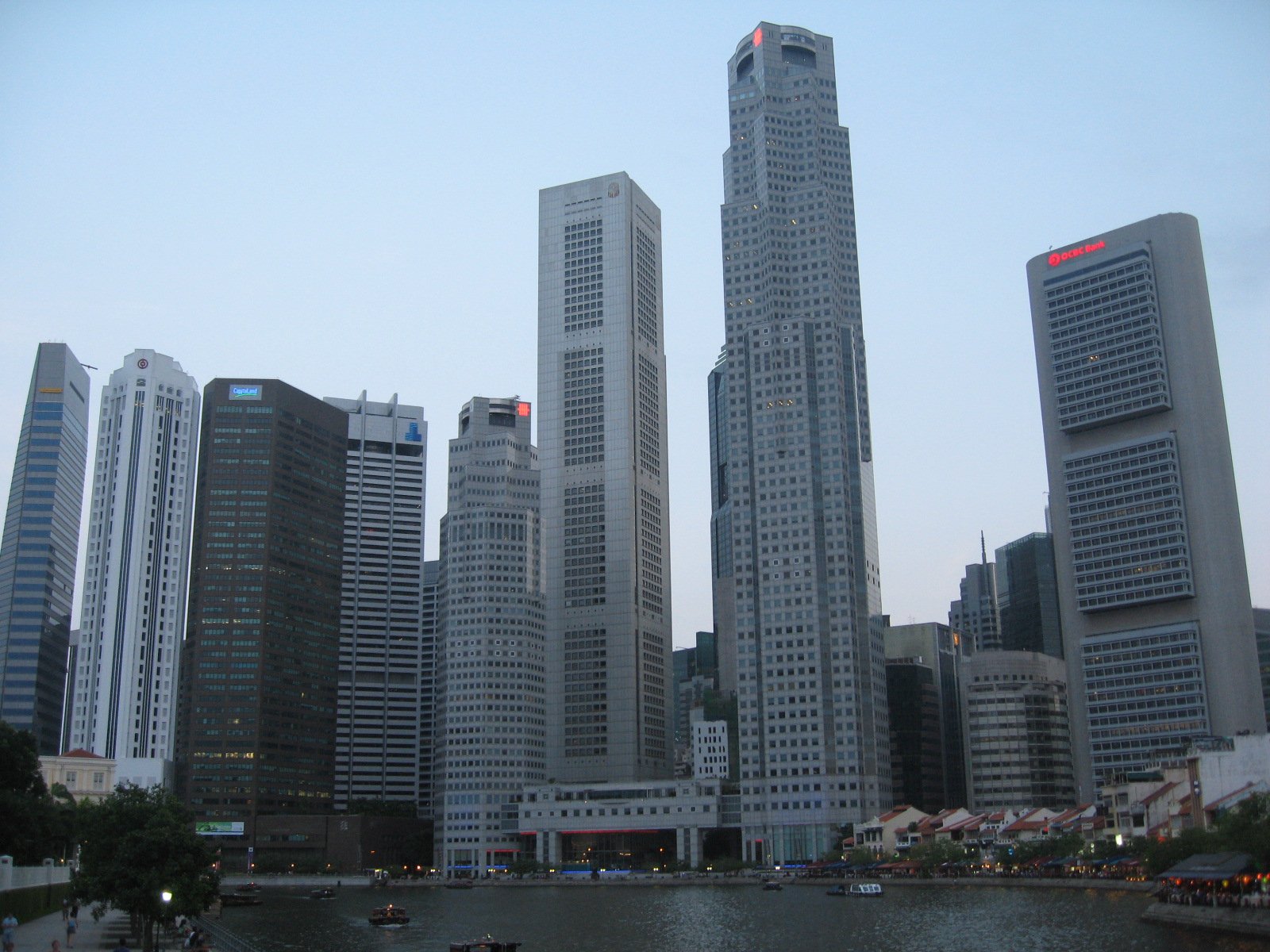
Photo: Singapore skyline at dusk by Terence Ong, CC BY 2.5