 By
The Fair Work Commission has apologised after its 2025-26 annual report was tabled midway through a Senate estimates appearance, prompting questions about whether the delay was deliberate. General manager Murray Furlong offered the apology to Coalition senators Jane Hume and Maria Kovacic when the hearing’s temperature rose over the late tabling, according to The Mandarin.
Senator Hume asked Senator Jess Walsh, who was presenting employment minister Amanda Rishworth during estimates, whether the late tabling was a deliberate ploy to avoid questions based on the agency’s financial statements. The report was submitted to the government late, which contributed to its late tabling during estimates week, the commission admitted.
Why annual report timing matters for estimates
Senate estimates hearings rely on annual reports being available before officials appear. Senators use the financial statements and performance information in those reports to frame questions about spending, staffing and operational decisions. When a report arrives midway through a hearing, senators lose the chance to interrogate the numbers in real time.
The Fair Work Commission is a federal tribunal that sets minimum wages, approves enterprise agreements and handles unfair dismissal and general protections claims. Its annual report covers wage review outcomes, case volumes, timeliness measures and corporate spending. For HR and payroll teams, the report is a public record of how the commission performed against its own service standards, including how quickly it processed agreement approvals.
The late tabling does not change any employer obligations. Awards, minimum wage rates and agreement processes continue as normal. But the delay does affect the public accountability cycle that sits behind those decisions.
What the commission’s annual report normally covers
The Fair Work Commission’s annual report typically includes data on applications lodged and finalised, median processing times for unfair dismissal and general protections matters, agreement approval timelines, and the outcomes of the annual wage review. It also reports on the commission’s financial position, staffing levels and any significant corporate changes.
For payroll professionals, the wage review section is the most closely watched. The annual wage review decision sets minimum award rates from the first full pay period on or after 1 July each year. The commission publishes the decision separately, so payroll teams do not need the annual report to implement new rates. The report provides the surrounding context: how many submissions were received, what consultation occurred and how the panel reached its decision.
Employers should not confuse the annual report with the commission’s decisions or orders. The report is retrospective. It describes what happened in the previous financial year. It does not create new obligations or change existing ones.

What HR and payroll teams should watch
The estimates exchange does not signal any change to commission processes or employer requirements. No figures were cited in the reporting, and no operational changes were announced. The practical takeaway for HR and payroll readers is limited to the accountability point: the commission’s performance data arrived later than expected, and senators questioned whether that was intentional.
For employers preparing for the next annual wage review, the usual timeline still applies. The commission typically issues its decision in June, with new rates applying from the first full pay period on or after 1 July. Payroll teams should continue to monitor the commission’s website directly for decisions and orders, rather than relying on the annual report for rate changes.
The annual report remains useful for workforce planning and compliance teams that want to understand case trends. If agreement approval times are rising, for example, HR teams negotiating new enterprise agreements may need to build longer lead times into their planning. That data will still be available once the report is formally tabled and published.
The broader accountability context
Late annual report tabling is not unique to the Fair Work Commission. Commonwealth agencies are required to provide annual reports to their minister by a set date, and the minister then tables them in Parliament. Delays can occur for a range of reasons, including audit completion timing and internal approval processes.
The Senate estimates process is one of the main mechanisms for scrutinising agency performance. When reports are late, the committee’s ability to test claims against published data is reduced. Senator Hume’s question about whether the delay was deliberate reflects that concern, though no evidence was presented in the reporting to support that suggestion.
The commission’s apology indicates the agency accepted responsibility for the timing. No further action was reported, and no commitment to a revised timetable was stated in the source.
Sources: The Mandarin
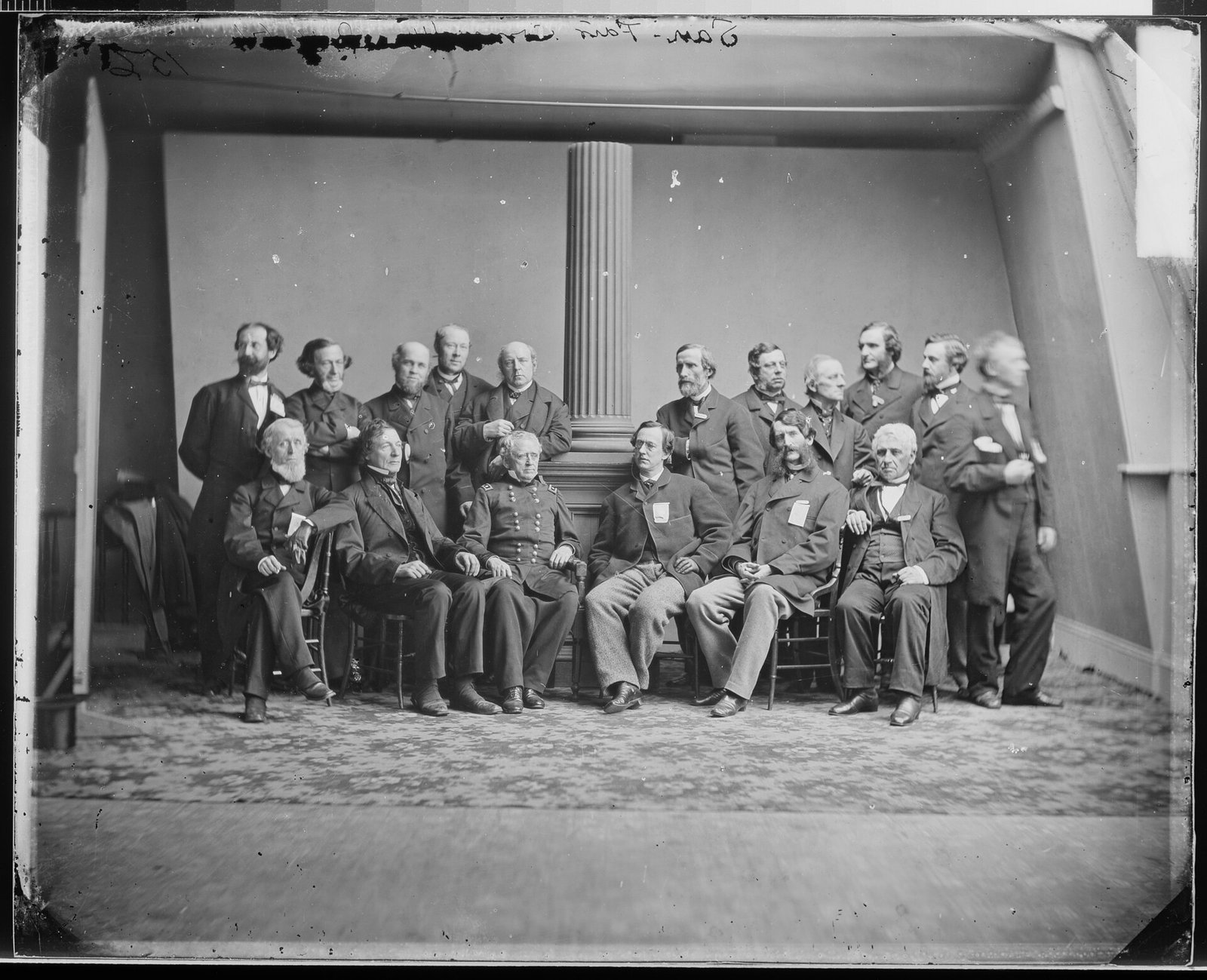
Photo: Gen. John A. Dix and group, Sanitary Fair Commission - NARA - 524575 by Mathew Benjamin Brady, Public domain