 By
Andhra Pradesh has announced a target to raise women’s share of the state workforce from 35.8% to 50%, according to HRKatha. Chief Minister N Chandrababu Naidu outlined the goal on 12 November 2026 at the Women & Growth Summit 2026 in Visakhapatnam.
The state has not specified a timeline for reaching the 50% target. The government’s approach places industrial job creation and women’s involvement in agriculture as two routes to improving workforce participation.
Where the new jobs are expected to come from
The state is anchoring its target in existing and planned industrial clusters. Sri City currently employs more than 75,000 women, while Brandix Apparel City in Visakhapatnam provides jobs to nearly 20,000 women. A proposed Global Toy Park at Nakkapalli is expected to generate another 30,000 jobs for women. Footwear and other industries being developed in Kuppam and Anantapur are expected to employ more than 25,000 women.
These figures point to a deliberate focus on export-oriented manufacturing sectors that have historically drawn higher proportions of women workers in India: apparel, toys, footwear and light assembly. For HR teams, this means recruitment pipelines in these districts will increasingly compete for female candidates with specific skill profiles, often first-time entrants to formal employment.
The natural farming dimension
The Chief Minister also linked the target to agriculture. Nearly 25 lakh acres in Andhra Pradesh are currently under natural farming, involving an estimated 20 to 25 lakh farmers, most of whom are women, according to Naidu. Each women’s group in natural farming is estimated to support around 100 to 150 farmers.
This matters for workforce data because women’s agricultural work in India is frequently undercounted in official labour force surveys. Many women engaged in farming are classified as unpaid family workers or cultivators on household land rather than as formal workers. A state target that counts natural farming participation as workforce participation may therefore reflect a measurement shift as much as a jobs shift. HR and payroll teams should not assume that all of the increase will appear as formal, payroll-backed employment.
What this means for HR and payroll teams
Employers in Andhra Pradesh’s manufacturing corridors should prepare for several practical changes if the target drives policy.
First, compliance expectations around women’s employment are likely to tighten. Indian law already sets requirements for maternity benefits, creche facilities for establishments above certain employee thresholds, and workplace safety committees under the Sexual Harassment of Women at Workplace Act. States pursuing higher female workforce participation often pair targets with stronger inspection and reporting expectations. Employers should confirm current state-level circulars and central rules for their own establishment size and sector.
Second, payroll teams may see more first-time female employees with limited exposure to formal banking, provident fund enrolment and income tax documentation. Onboarding processes that assume prior formal employment will need adjustment, particularly around KYC documentation and bank account verification.
Third, shift scheduling and transport arrangements become operational constraints. Many manufacturing roles for women in these clusters involve shift work. Employers that provide or arrange transport, or that adjust shift timings to align with local safety and family expectations, tend to retain female workers at higher rates. This is an established pattern in Indian manufacturing but not a legal requirement across all sectors.
What remains unclear
The state has not published a timeline, an implementation plan or a definition of how workforce participation will be measured. It is also unclear whether the 50% target refers to the labour force participation rate, the worker population ratio or a broader measure that includes self-employed and agricultural workers. These distinctions matter. A target measured through the worker population ratio would require a different scale of formal job creation than one that includes natural farming participants.
Employers should also note that the announced job figures for the toy park, footwear units and other clusters are projections, not confirmed employment. The gap between announced investment and operational hiring can be significant in Indian industrial corridors.
Practical steps for employers
HR teams with operations or hiring plans in Andhra Pradesh can take several steps now without waiting for formal policy announcements.
Review current female workforce ratios by location and function. Establishments in Sri City, Brandix Apparel City and the planned clusters should benchmark their own participation against the state’s 35.8% baseline.
Audit compliance readiness for maternity, creche and workplace safety obligations. Confirm which thresholds apply to the establishment and whether current policies meet them.
Assess onboarding and payroll readiness for first-time formal workers. Identify documentation bottlenecks and consider simplified KYC support.
Monitor state government announcements for definitions, timelines and any incentives tied to female hiring. The state has not yet specified whether incentives will be offered.
The target is a policy signal, not a legal requirement. Employers should treat it as a planning assumption while confirming any new obligations through state labour department circulars and their own legal advisers.
Sources: HRKatha
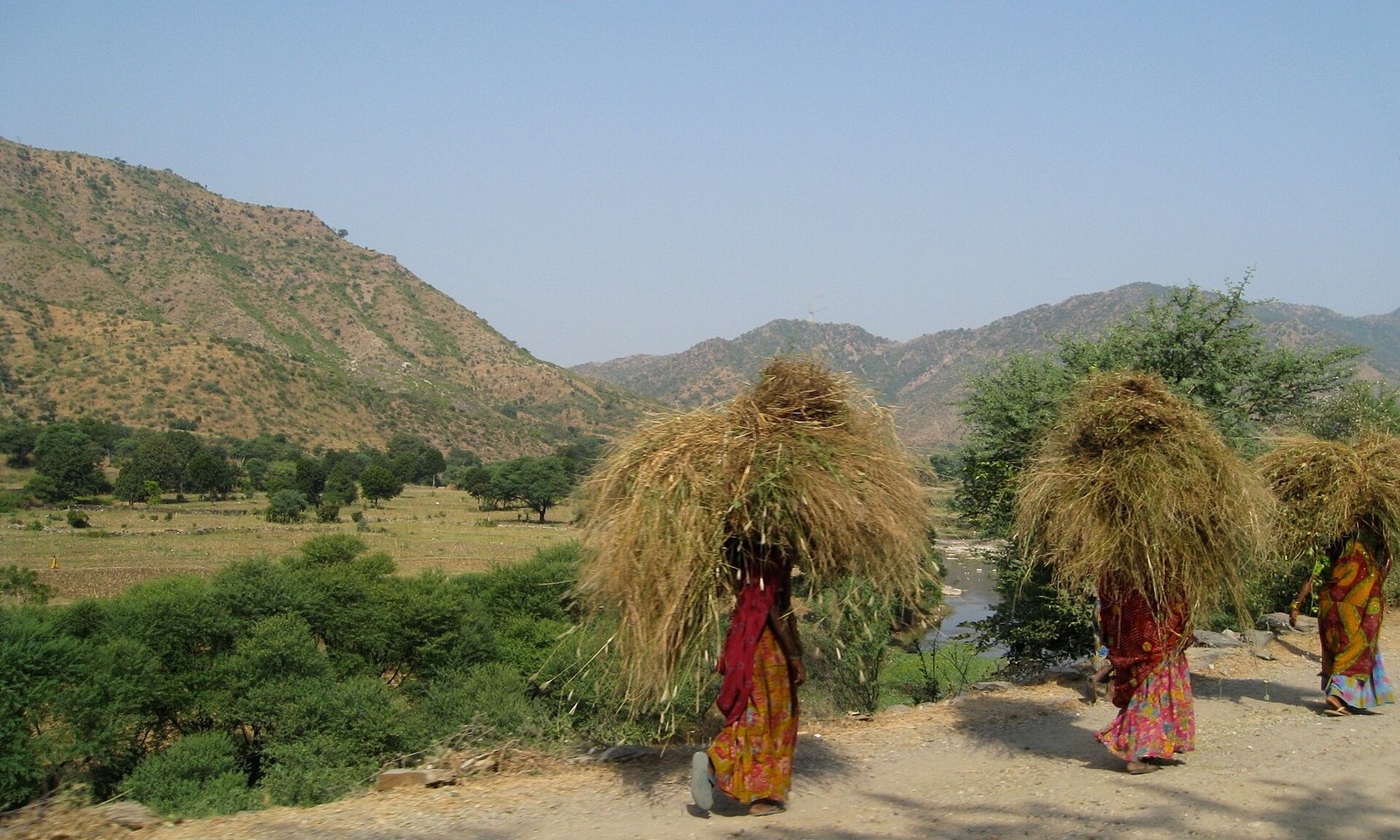
Photo: Working women in rajasthan countryside india by surrealpenguin, CC BY-SA 2.0