 By
A Seattle hotel operator and two staffing agencies will pay $133,026 to 11 workers to resolve alleged violations of Seattle’s paid sick leave ordinance and two other local laws protecting hotel employees, according to HRMorning.
Investigators found the employers failed to regularly tell one group of workers how much paid sick time they had earned, used, and had left. They also shorted premium pay to housekeepers who went over the daily square-footage limit and failed to make required medical payments for temp workers.
Why paid sick leave notices matter in Seattle
Seattle’s paid sick leave ordinance requires employers to provide workers with a written statement of accrued and used sick time each time wages are paid. That statement can appear on a pay stub or in a separate document, but it must show three figures: the amount of sick time earned, the amount used, and the balance remaining.
The notice requirement is not a formality. Workers cannot know whether they are being shorted on leave unless they can see the accrual math. For temp workers placed by staffing agencies, the responsibility often falls on the agency that issues the paycheck, even when the worker performs the job at a hotel or other host site.
How the hotel-specific rules interact with sick leave
Seattle has separate ordinances that protect hotel employees, including limits on the square footage a housekeeper can clean in a day before premium pay kicks in. When a housekeeper exceeds that limit, the employer owes additional pay at a higher rate.
The sick leave violations and the premium pay violations are distinct legal issues, but they often surface together in investigations because both involve payroll systems that fail to track employee-specific data. A payroll system that does not track daily square footage by housekeeper will also struggle to produce accurate sick leave balances on each pay stub.
What HR and payroll teams should check now
Payroll teams should verify that every pay statement for Seattle-based employees shows sick leave earned, used, and remaining. That includes workers paid through staffing agencies, where the agency typically issues the pay stub and carries the notice obligation.
The check should cover three areas. First, confirm the pay stub or attached statement includes all three sick leave figures. Second, confirm the accrual rate matches Seattle’s ordinance for the employer’s size and industry. Third, confirm that any premium pay for hotel housekeepers is calculated from actual daily square footage, not estimated or averaged.
For employers with workers in multiple cities, Seattle’s rules may differ from state or other local requirements. Washington state also has a paid sick leave law, and Seattle’s ordinance can impose additional obligations. Employers should confirm which rules apply to each worker based on where the work is performed.
Common mistakes that trigger investigations
The Seattle case points to three recurring failures. The first is treating temp workers as someone else’s responsibility. Staffing agencies and the businesses that use them can both face liability when workers do not receive required notices or payments.
The second is relying on payroll software defaults that do not match Seattle’s specific notice format. A generic paid time off balance may not satisfy the ordinance if it does not separately show earned, used, and remaining sick time.
The third is failing to track hotel-specific data such as daily square footage. Without that data, premium pay cannot be calculated correctly, and the error may go unnoticed until an investigator reviews records.
Steps to take after a violation is found
When an employer discovers a notice or payment failure, the practical response is to correct the pay stubs or statements going forward and calculate any back pay owed. Seattle’s enforcement process can include back pay, penalties, and settlement amounts like the $133,026 in this case.
Employers should document the correction and keep records showing that workers received the required information. For staffing agencies, that means coordinating with the host employer to obtain accurate hours and any hotel-specific data needed for premium pay calculations.
Sources: HRMorning
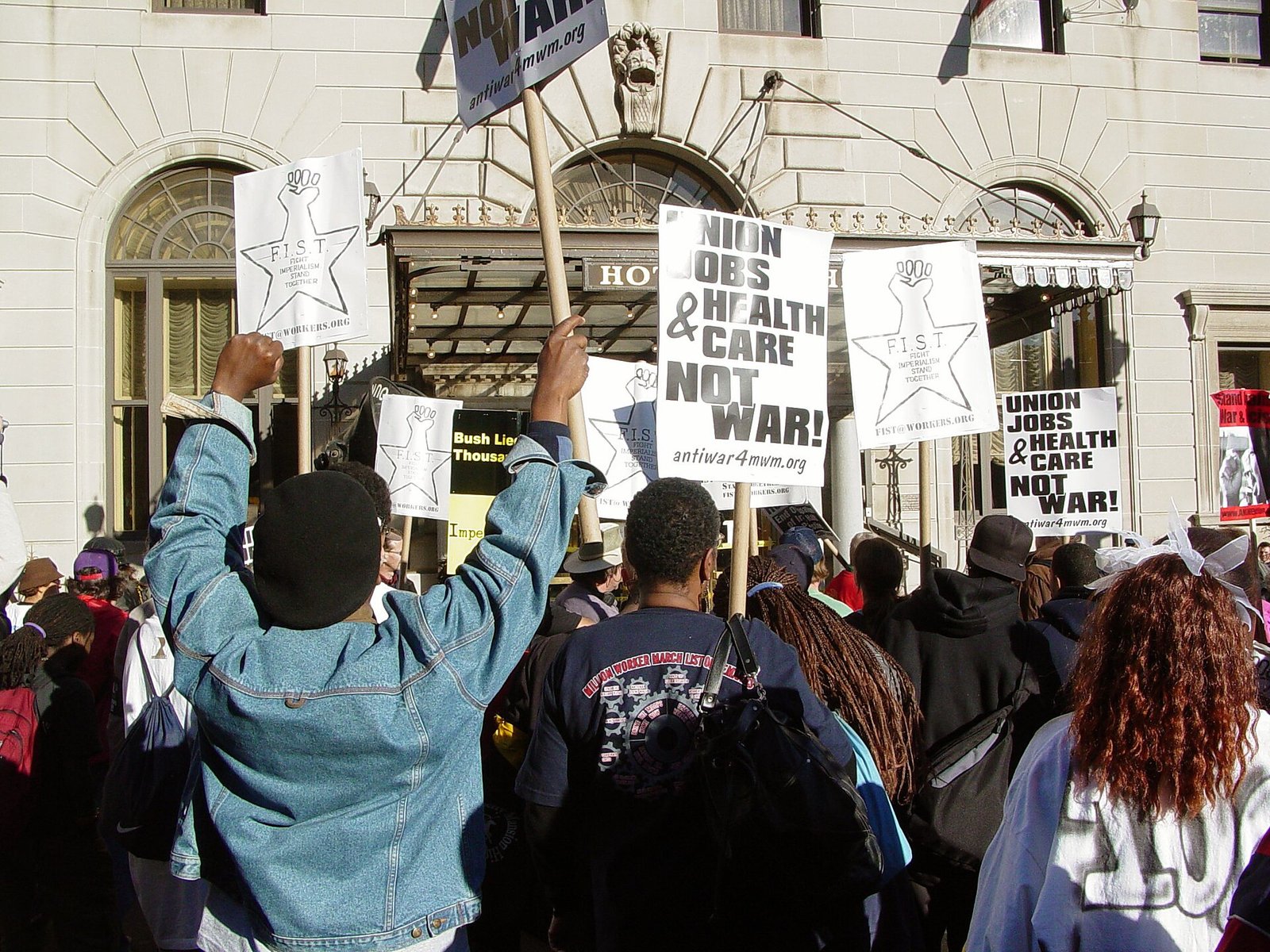
Photo: Hotel Washington during Million Worker March by Ben Schumin, CC BY-SA 3.0