 By
Thirteen individuals in Singapore have been charged for allegedly making false declarations related to Central Provident Fund contributions to inflate foreign worker quotas, according to HRD America. The charges involve falsely declaring that CPF contributions made by companies were for local employees, even though those individuals did not actually work for the companies.
The Ministry of Manpower investigations found that in some cases, company personnel sourced family members and personal contacts to be registered as local employees and receive CPF contributions, although they did not genuinely work for the companies. On 17 November, six company directors and one office manager from five companies were charged. On 29 October, four other company directors and two phantom workers were charged.
What the charges cover
The 13 individuals include 10 company directors, one office manager and two phantom workers. A 67-year-old director of a construction firm faces two amalgamated charges under the Employment of Foreign Manpower Act for making false declarations in 32 work pass applications. The remaining five directors and one office manager from the 17 November group each face one amalgamated charge for false declarations in 20 work pass applications.
The four company directors charged on 29 October each face two amalgamated charges for false declarations in 40 work pass applications. The two phantom workers, aged 63 and 64, each face one charge for abetting the making of a false declaration in a work pass application.
How phantom worker schemes operate
Phantom workers are individuals listed on a company payroll or declared as employees on paper, despite performing no actual work, according to the CPF Board. Employers use them to increase their qualifying foreign worker quota without having to employ local workers and pay them a full salary.
The employer typically only pays the phantom worker their CPF contributions, which can go up to 37 percent of full salary depending on CPF contribution rates. This allows the employer to circumvent the quota system put in place by the Ministry of Manpower, thereby depriving local workers of job opportunities by hiring more foreign employees. The CPF Board described the practice as both illegal and unethical.

What this means for HR and payroll teams
For HR and payroll leaders in Singapore, these charges signal that MOM is actively investigating CPF contribution patterns linked to work pass applications. The practical risk sits in payroll records that show CPF contributions for individuals who have no genuine employment relationship with the company. Payroll teams should review any arrangement where a person receives CPF contributions but does not perform work, even if the arrangement was framed as a favour or a family matter.
The Ministry of Manpower reminded all employers that work pass fraud is a serious offence. MOM will also bar entities or individuals convicted of such offences from employing foreign workers. That bar can affect the entire company, not just the individual charged, which makes this a board-level compliance issue rather than a routine payroll matter.
Penalties and enforcement exposure
Making a false declaration under the Employment of Foreign Manpower Act carries a fine of up to S$20,000, imprisonment of up to two years, or both. Phantom workers who abet false declarations face the same maximum penalties. The amalgamated charges in these cases mean each individual faces a single charge covering multiple alleged false declarations across many work pass applications, which can increase the seriousness of the matter in court.
Persons who provide their personal particulars to facilitate fraudulent CPF contributions may also be prosecuted and face the same penalties. MOM stated that members of the public should not accept CPF contributions from companies they are not working for, as doing so may constitute abetment of false declaration offences or abetment of inflating companies’ foreign worker quotas.
Steps for employers to take now
Employers should review their current CPF contribution records against actual employment arrangements. The key test is whether every person receiving CPF contributions genuinely works for the company. Where a person is registered as a local employee but does not perform work, the company should seek legal advice before making any changes, as retrospective corrections may themselves raise questions.
Payroll teams should also check whether any work pass applications relied on local employee headcounts that included individuals who were not genuinely employed. Companies that identify problems before MOM does may be in a better position to address them, though the specific legal options depend on the facts of each case. Employers should confirm the current rules and their own exposure with qualified legal counsel in Singapore.
| Date | Individuals charged | Applications cited |
|---|---|---|
| 29 October | 4 company directors, 2 phantom workers | 40 per director charge |
| 17 November | 6 company directors, 1 office manager | 32 for one director, 20 for others |
Sources: HRD America
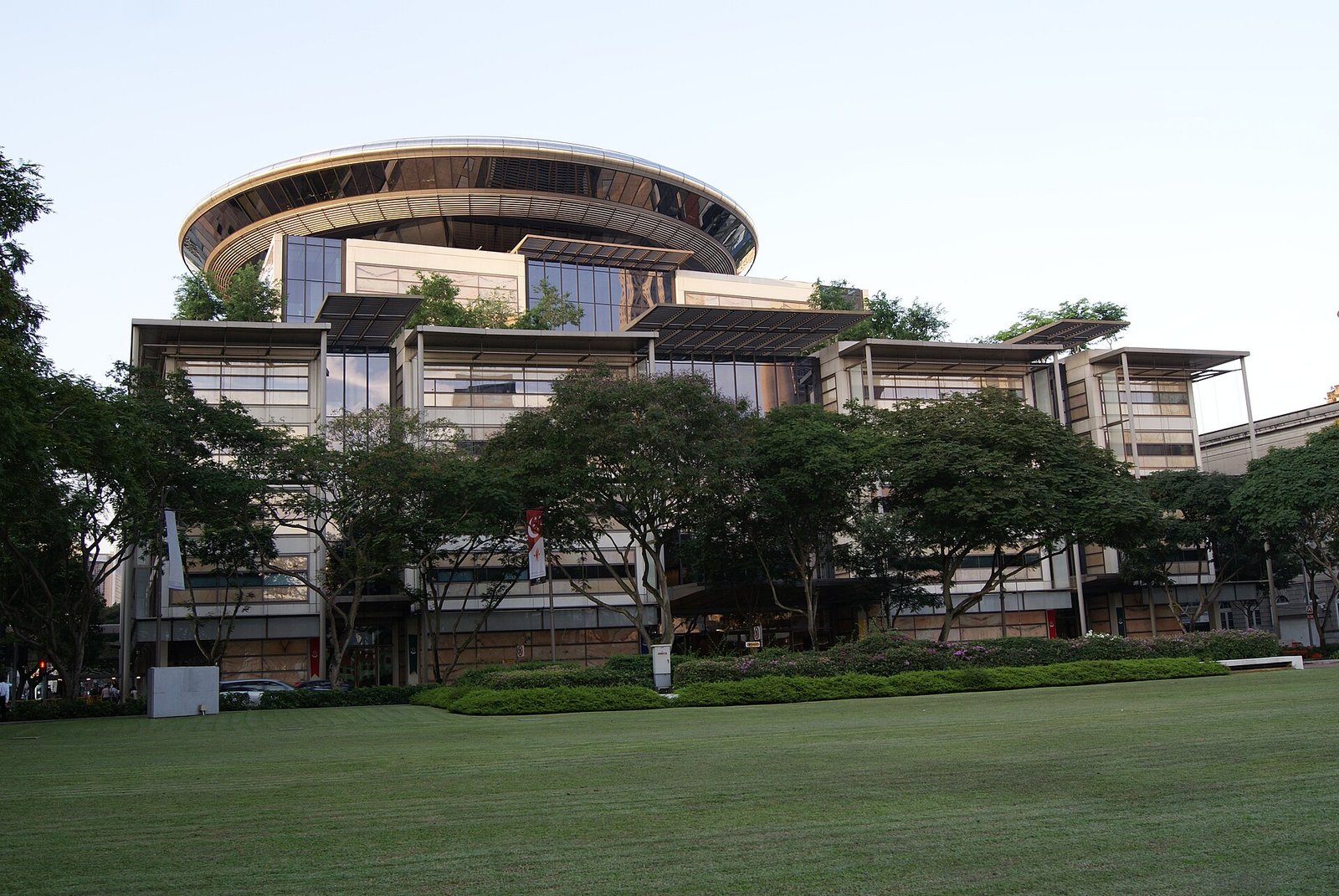
Photo: Supreme Court of Singapore - 20100830-01 by Jacklee., CC BY-SA 3.0