 By
Labour approvals for Nepali workers entering Qatar fell 35.08 percent in the six months to mid-September, according to Asia News Network, as the war in West Asia disrupted natural gas production and exports, the mainstay of Qatar’s economy. Around 18,000 Nepalis received first-time work approvals in that period, down from 28,104 a year earlier.
Qatar declared force majeure on supply contracts with several international buyers after natural gas exports plunged by 96 percent between March and August. The World Bank projected in October that Qatar’s real GDP would contract by 20.9 percent. Narad Nath Bharadwaj, former Nepali ambassador to Qatar, told Asia News Network: “Nepali workers have been finding employment in Qatar’s construction, services and tourism sectors. The tensions between Iran and the United States have affected all three.”
What the contraction means for Qatar’s labour market
Qatar’s hydrocarbon sector accounts for about 80 percent of government revenue and merchandise exports. Total government revenue fell 41.9 percent in the first six months of 2026 compared with the same period last year, while hydrocarbon revenue dropped 56.1 percent. Public expenditure fell 14.1 percent and the budget deficit reached 31.5 billion Qatari riyals, roughly 10 percent of GDP.
For HR and payroll teams, the immediate signal is cost pressure. The government reduced operating expenses by as much as 30 percent. Private employers tied to state contracts, construction and hospitality are likely to face delayed payments and project pauses. The Purchasing Managers’ Index dropped to 38.7 in March, well below the 50 mark that separates contraction from growth. Foreign tourist arrivals fell 44.7 percent in the second quarter of 2026 and hotel occupancy declined 26.4 percent, directly affecting service-sector staffing.
Where Nepali workers sit in Qatar’s workforce
Nepalis made up 11.4 percent of Qatar’s migrant population according to a 2024 United Nations report. Over the past three years, 407,512 Nepalis received labour approval, either new or renewed, to work in Qatar. The pre-war employment rate among non-Qatari citizens was 91.5 percent in the fourth quarter of 2025, compared with 54.2 percent among Qatari citizens.
The fall in first-time approvals does not automatically mean layoffs at the same scale. Renewals still flow through Nepal’s Department of Foreign Employment, and many Nepali workers remain on existing contracts. But Bharadwaj warned that “demand for new workers is already declining, and there is also a growing risk that existing jobs will be cut.” HR teams should distinguish between new hiring freezes and contract non-renewal, which affects a different population of workers.

Practical steps for HR and payroll teams in Qatar
Employers should review their exposure to hydrocarbon-linked revenue and state-funded projects before making workforce decisions. The 30 percent cut in government operating expenses suggests that contractors and suppliers will see reduced volumes. Payroll teams should model scenarios where project-based contracts end early or where renewals are delayed.
Key checks for HR teams:
- Confirm whether each worker’s visa and labour approval are tied to a specific sponsor or project, since transfer rules differ.
- Review end-of-service benefit accruals now, because a sudden redundancy wave creates cash-flow pressure.
- Check whether housing and transport allowances are contractually fixed or variable, as cost-cutting may target these first.
- For Nepali workers specifically, verify that any early termination is reported correctly through the Department of Foreign Employment channels to avoid complications with repatriation.
Qatar’s labour law requires employers to honour contract terms unless termination follows the proper notice and settlement process. HR teams should not assume that force majeure in gas supply contracts automatically extends to employment contracts. Each termination still needs documented grounds and correct final payments.
What to watch in the coming months
The World Bank’s contraction forecast of 20.9 percent is severe but reflects a specific supply shock rather than a broad demand collapse. Natural gas export capacity has fallen by about 17 percent, and the Ras Laffan complex remains central to any recovery. If export volumes stabilise, government revenue may recover faster than the headline GDP figure suggests.
For workforce planners, the leading indicators are the Purchasing Managers’ Index and hotel occupancy data. Both showed sharp declines. A sustained PMI below 50 for two or more quarters would signal broader private-sector contraction beyond oil and gas. Bharadwaj said: “If the war does not end soon, the economic impact is likely to deepen.”
HR teams should prepare for a period where new hiring stays frozen, renewals face tighter scrutiny, and some existing roles in construction, services and tourism are reduced. The gap between Qatari and non-Qatari employment rates means migrant workers absorb most labour market adjustment.
Sources: Asia News Network
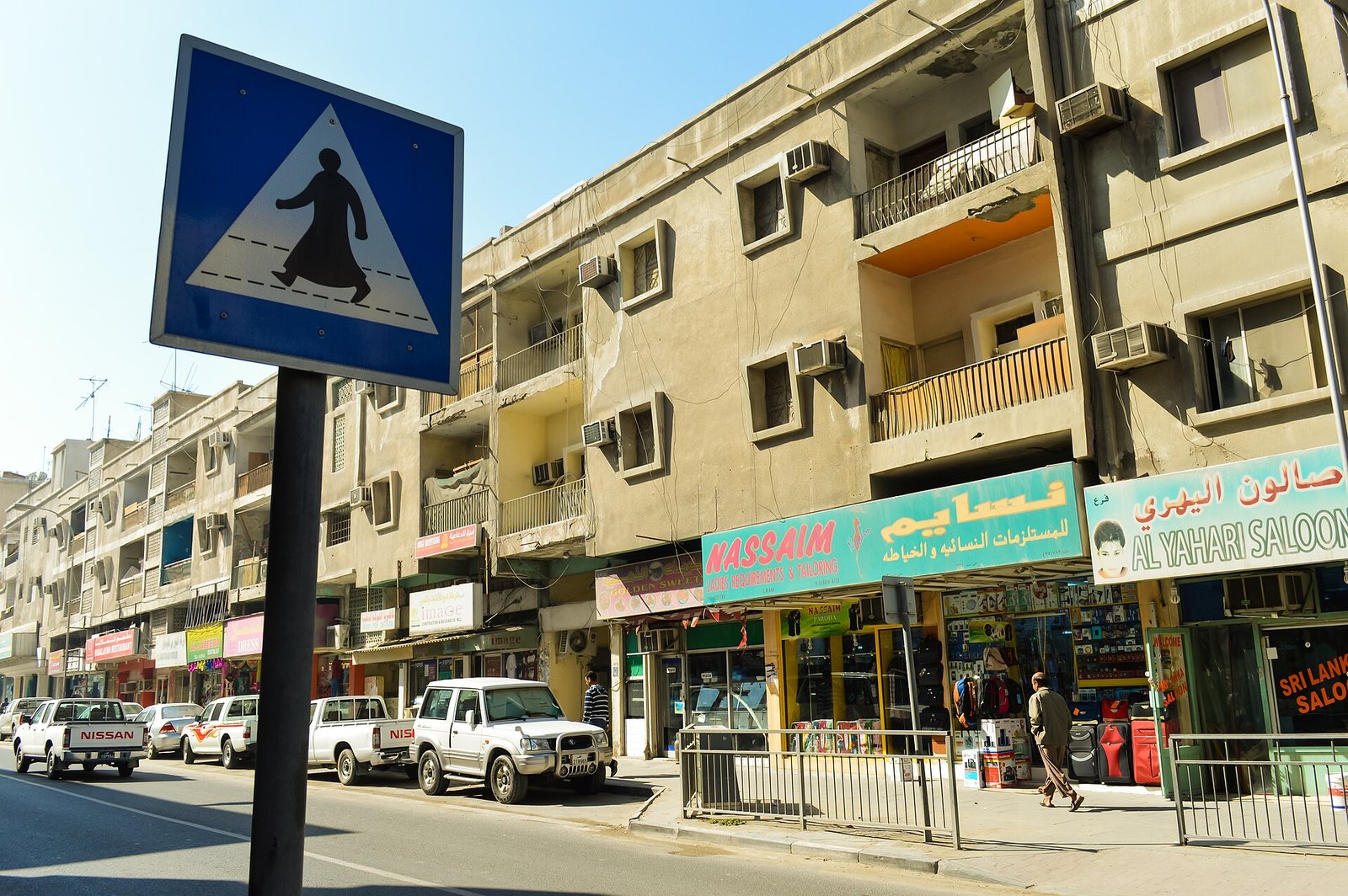
Photo: Crosswalk in Nepali guest worker neighborhood (12541778514) by Francisco Anzola, CC BY 2.0