 By
The Philippines is seeking stronger labour inspections at sea and closer coordination among maritime authorities across Southeast Asia, with fisheries as a key priority ahead of its 2027 chairmanship of the ASEAN Labour Inspection Committee, according to ET HRSEA. The Department of Labor and Employment announced the initiative following regional discussions in Clark, Pampanga, where ASEAN representatives examined ways to strengthen labour enforcement in sectors difficult to monitor through conventional workplace inspections.
Labour Secretary Francis N. Tolentino said the discussions highlighted the need for more effective labour inspections in the fishing sector, including operations within the Philippines’ exclusive economic zone. He emphasised the importance of working closely with maritime enforcement agencies, including the Philippine Coast Guard, to strengthen inspections and ensure labour standards are upheld at sea. The proposed approach aligns with the ASEAN Guidelines on Strengthening Labour Inspection in the Fishing Sector and the ALICOM Work Plan 2022-2030.
Why fishing vessels escape conventional inspection
Fishing vessels present enforcement challenges that land-based workplaces do not. Mobility, remote operating locations, and limited accessibility to labour inspectors mean that standard inspection schedules and site visits rarely reach crews at sea. A labour inspector cannot simply arrive at a port and walk onto a vessel that is operating hundreds of kilometres offshore.
The Philippines’ exclusive economic zone spans a vast maritime area, and fishing operations within it often involve vessels registered in different jurisdictions or crewed by workers from multiple countries. This creates ambiguity about which authority is responsible for inspecting working conditions, verifying contracts, or responding to complaints. DOLE’s stated position is that stronger coordination between labour departments and maritime agencies could improve access to vessels and enable more consistent enforcement.
For HR and payroll teams in Philippine fishing companies, this signals a likely shift toward more documentation requirements. Employers should expect closer scrutiny of crew lists, employment contracts, wage records, and hours of work, even for vessels that spend long periods away from port.
What the ASEAN framework actually requires
The ASEAN Guidelines on Strengthening Labour Inspection in the Fishing Sector provide a regional reference point, but they are not a single enforceable law. Each ASEAN member state implements them through its own national legislation and inspection practices. In the Philippines, labour inspection authority sits with DOLE, while maritime enforcement falls to the Philippine Coast Guard and other agencies.
The ALICOM Work Plan 2022-2030 sets a longer-term agenda for aligning inspection approaches across member states. The Philippines’ 2027 chairmanship gives it a formal platform to push fisheries labour inspection higher on that agenda. Tolentino has pointed to Malaysia and Indonesia as sources of practical lessons on logistics and supply-chain oversight, suggesting that Philippine regulators are looking at how those countries track vessels, verify crew conditions, and coordinate between port authorities and labour inspectors.
For employers operating across regional maritime supply chains, stronger cooperation could mean greater accountability for working conditions and compliance with labour standards. The emphasis on coordination is particularly relevant to fishing operations involving multiple jurisdictions, where differences in inspection procedures and regulatory oversight can complicate worker protection efforts.
Practical steps for Philippine fishing employers
Employers in the fishing sector should treat the announced direction as a signal to review current compliance practices before formal changes arrive. Several areas deserve attention.
First, verify that every crew member has a written employment contract that meets Philippine labour standards, regardless of where the vessel operates. Contracts should state wages, working hours, rest periods, and repatriation arrangements clearly. Missing or vague contracts are a common finding in maritime labour inspections.
Second, maintain accurate payroll records that can be produced at short notice. Inspectors may request records for the current voyage and previous voyages. Digital record-keeping is easier to retrieve than paper logs stored on a vessel, and DOLE has signalled interest in expanded digital oversight.
Third, map the supply chain. If a company buys fish from vessels it does not own or operate, it should understand what labour standards apply to those vessels and what documentation is available. Regional coordination may eventually make supply-chain accountability more explicit.
Fourth, prepare for joint inspections involving both labour and maritime authorities. These may differ from conventional DOLE inspections in scope and procedure. Employers should designate a shore-based compliance contact who can respond to inspection requests even when vessels are at sea.
What remains unclear
The announcement does not specify new penalties, new inspection quotas, or new reporting deadlines. It describes a direction of travel rather than a completed regulatory change. Employers should monitor DOLE announcements for implementing rules or administrative orders that give the initiative legal force.
The timeline is also open. The Philippines chairs ALICOM in 2027, but preparatory work could begin earlier. Regional discussions in Clark, Pampanga have already taken place, and DOLE has named fisheries as a priority. Employers should not assume they have until 2027 to act.
One point worth noting: the source report paraphrases Tolentino rather than quoting him directly. The exact wording of any proposed measures has not been published. Employers should treat the announcement as a policy signal and confirm any specific obligations with DOLE or legal counsel before making operational changes.
Sources: ET HRSEA
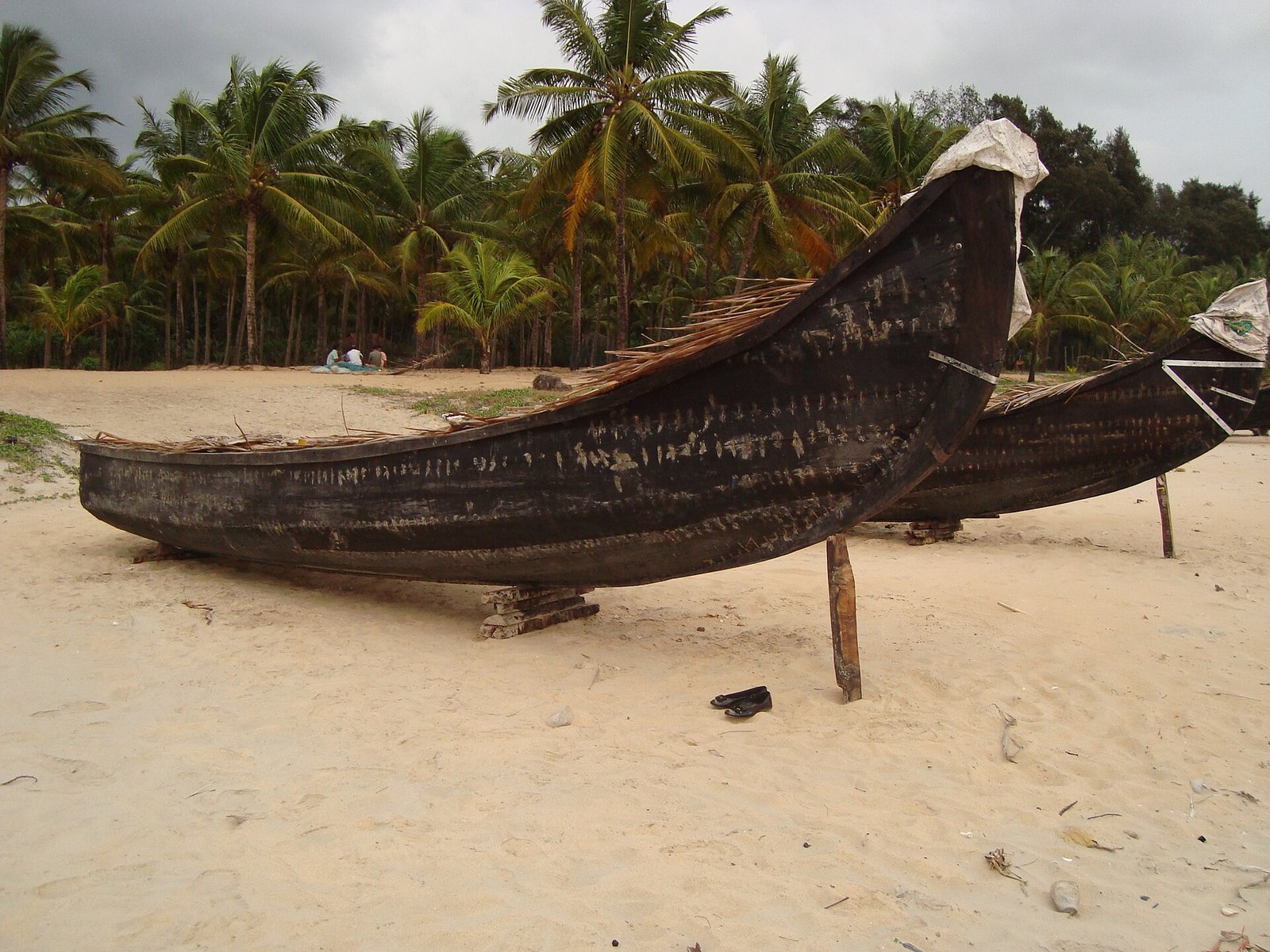
Photo: Fishing boat stitched by Vssun at Malayalam Wikipedia, Public domain