 By
An analysis of FY2025-26 disclosures from 10 listed new-age companies in India has examined whether women’s presence in the workforce is translating into a share of remuneration, according to ETHRWorld. The analysis compared gender-wise median remuneration, women’s share of gross wages, and workforce representation among employees and workers.
The findings show a mixed picture. Female employees reported higher median remuneration than male employees at some companies, while the reverse was true at others. The disclosures do not establish whether men and women are paid equally for comparable work, and uneven reporting makes like-for-like assessment difficult for investors.
What the disclosed medians actually show
The median remuneration figures vary widely across the 10 companies analysed. PB Fintech reported a female median of ₹8.11 lakh against a male median of ₹6.93 lakh. Meesho showed female median remuneration of ₹22.02 lakh compared with ₹20.54 lakh for men. Delhivery reported ₹3.64 lakh for women and ₹3.28 lakh for men.
At Paytm’s One 97 Communications entity, the female median was ₹14 lakh against ₹12 lakh for men. But at Paytm Payments Services Limited, the pattern reversed: ₹7 lakh for women and ₹8 lakh for men. Lenskart reported identical medians of ₹3.36 lakh for both sexes.
Swiggy and Nykaa showed male medians ahead of female medians. Swiggy reported ₹9.01 lakh for women and ₹10.86 lakh for men. Nykaa reported ₹8.80 lakh for women and ₹10.67 lakh for men. Eternal showed ₹6.50 lakh for women against ₹7.50 lakh for men.
Why median remuneration is not a pay gap measure
Median remuneration does not account for differences in job roles, seniority, experience, functions, or the distribution of men and women across pay grades. A company with more women in junior roles and fewer in senior leadership can show a lower female median even if it pays men and women equally for the same work.
The reporting populations and calculation methodologies also vary across companies. Some disclosures cover only employees, while others include workers. This inconsistency means investors and analysts cannot reliably compare one company against another using these figures alone.
For HR and payroll teams, the practical implication is that internal pay equity audits need to control for role, level, location and tenure. The BRSR median figures are a starting point for scrutiny, not a conclusion about discrimination.
What this means for HR and payroll teams in India
Indian employers already operate under the Equal Remuneration Act 1976, which prohibits discrimination in remuneration between men and women for the same or similar work. The Code on Wages 2019, once fully operational, is intended to consolidate and update these provisions. Companies should confirm how the code applies to their own operations and states.
Payroll teams preparing BRSR disclosures should document the methodology used to calculate median remuneration. That includes defining the employee population, the pay components included, and whether contract workers are counted separately. Clear methodology notes reduce the risk of misinterpretation when figures are published.
Hiring and compensation teams can use the disclosures to check whether workforce composition explains the median gaps. A company with a high female median may simply have more women in senior roles. A company with a low female median may have concentrated female hiring in entry-level or operational roles.
Common mistakes when reading these disclosures
One common mistake is treating a higher female median as proof of no pay gap. The median says nothing about whether men and women in the same role and band are paid equally. Another mistake is comparing medians across companies without checking whether the reporting populations are comparable.
A third mistake is ignoring the distinction between employees and workers. Companies that include contract or gig workers in one year but not the next can show large swings in median remuneration that have nothing to do with pay decisions.
HR teams should also avoid using median remuneration as a substitute for a proper pay equity analysis. A regression-based analysis that controls for role, level, location, experience and performance is the standard approach for identifying unexplained pay differences.
| Company | Female median (₹ lakh) | Male median (₹ lakh) |
|---|---|---|
| PB Fintech | 8.11 | 6.93 |
| Meesho | 22.02 | 20.54 |
| Delhivery | 3.64 | 3.28 |
| Paytm OCL | 14.00 | 12.00 |
| Paytm PPSL | 7.00 | 8.00 |
| Lenskart | 3.36 | 3.36 |
| Swiggy | 9.01 | 10.86 |
| Nykaa | 8.80 | 10.67 |
| Eternal | 6.50 | 7.50 |
What payroll and compliance teams should prepare for
The disclosures analysed by ETHRWorld are drawn from annual reports and Business Responsibility and Sustainability Reporting filings. Listed companies in India are required to include BRSR data, and the gender pay disclosures sit within that framework. Payroll teams should expect continued scrutiny from investors, proxy advisers and journalists as more companies publish FY26 data.
Teams should prepare internal documentation that explains any median gap. That documentation should cover workforce composition by gender across bands, hiring and promotion rates by gender, and any historical factors that affect the distribution of men and women across pay grades.
Where a median gap exists, HR teams should be ready to explain it in plain language. The explanation may be structural rather than discriminatory, but it needs to be supported by data. Silence or vague statements tend to invite further questions.
Sources: ETHRWorld
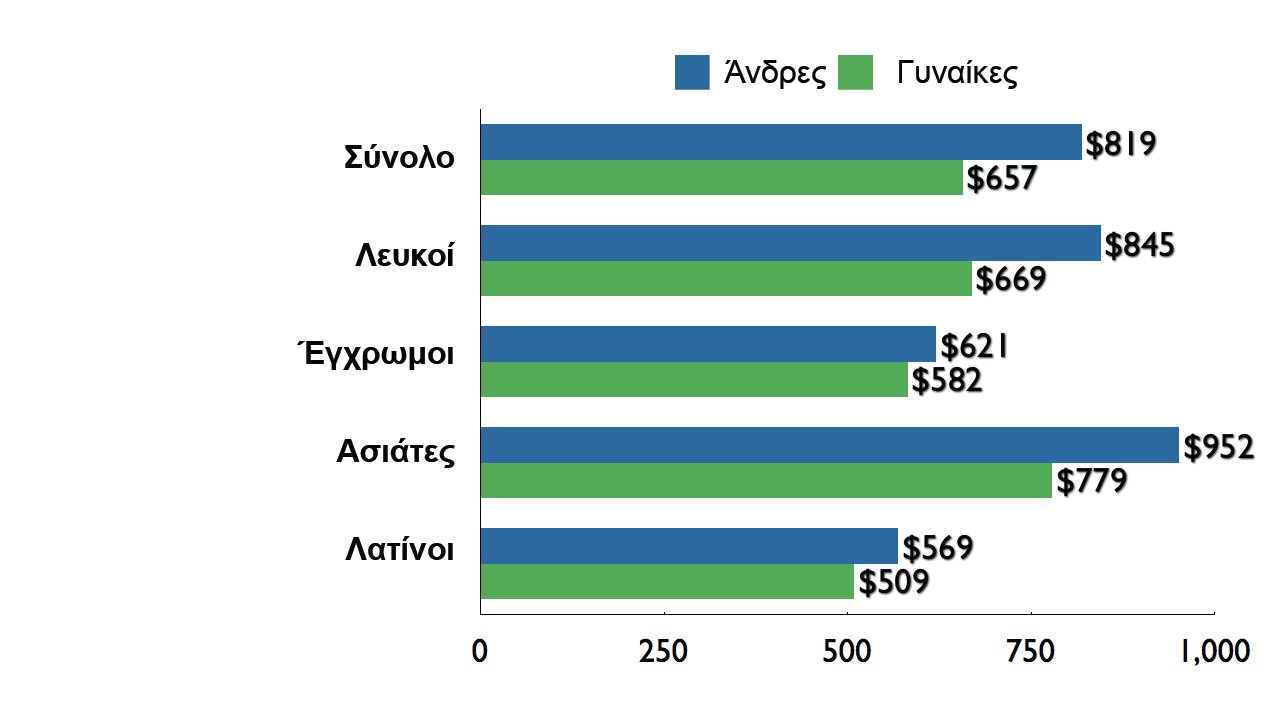
Photo: US gender pay gap, by sex, race-ethnicity-2009 EL by Magioladitis, CC BY-SA 4.0