
 By
The Fair Work Commission has appointed two New South Wales lawyers as commissioners, with corporate lawyer Susan Babidge and union lawyer Alison McRobert joining the national workplace tribunal. Minister for Employment and Workplace Relations Amanda Rishworth announced the appointments on 24 November 2026, according to The Mandarin.
Babidge’s appointment commences 30 November 2026, while McRobert starts on 14 December 2026. Babidge has served as Legal Practitioner Director and Principal Advisor at Australian Industry Group Legal since 2021, after senior workplace relations roles at Fisher Jeffries, Gadens Lawyers and Henry Davis York. McRobert has been a Commissioner of the Industrial Relations Commission of New South Wales since 2025, following senior legal roles with the Community and Public Sector Union NSW, Haywards Solicitors, Federation Law and McNally Jones Staff.
“Both bring a wealth of knowledge and experience to these important roles, and I know they will make a valuable contribution,” Rishworth said. “Their appointments will help support a strong and effective workplace relations system that works for workers, employers and the broader economy.”
What the Fair Work Commission does
The Fair Work Commission is Australia’s national workplace relations tribunal. It sets minimum wages through annual wage reviews, approves enterprise agreements, handles unfair dismissal and general protections claims, deals with industrial action and disputes, and makes orders on bullying, sexual harassment and stop-work matters.
For HR and payroll teams, the Commission’s decisions shape award interpretation, agreement approval requirements and dismissal procedures. A commissioner’s background can influence how evidence is weighed in hearings and how conciliation conferences are run. Appointing one lawyer with employer-side experience and one with union-side experience maintains a spread of perspectives across the bench.
Why the timing matters for employers
The appointments arrive as the Commission takes on new functions from the Government’s workplace relations reforms, according to Mirage News. The Commission has been absorbing changes to bargaining, casual conversion, labour hire and right-to-disconnect provisions. Additional commissioners increase capacity to hear matters and reduce delays.
For employers with matters already before the Commission, a larger bench can mean faster listing of conferences and hearings. For payroll teams, faster resolution of award interpretation disputes reduces the period of uncertainty about back-pay exposure. HR teams managing dismissal claims should note that new commissioners may bring different approaches to case management, but the legal tests they apply remain the same.
What the appointees’ backgrounds signal
Babidge’s time at Australian Industry Group Legal means she has advised employers on enterprise bargaining, award compliance and industrial disputes. Her appointment brings direct experience of how employer-side legal arguments are constructed and tested.
McRobert’s union-side background, including the Community and Public Sector Union NSW and her current role on the NSW industrial tribunal, brings experience of worker claims, public sector employment and state-level industrial law. The NSW Commission handles state awards, unfair dismissal for state system employees and public sector disputes.
Neither appointee’s background dictates how they will decide cases. Commissioners are required to apply the Fair Work Act and established case law. But their professional histories inform how they understand evidence about workplace practices, payroll systems and management decisions.
Practical steps for HR and payroll teams
Employers with matters before the Commission should review case files for any assumptions about how the tribunal operates. New commissioners may ask different questions in conciliation or take different approaches to directions.
Payroll teams should ensure award classifications and pay records are documented clearly. When a dispute reaches the Commission, the quality of payroll evidence often determines whether an employer can show compliance. Clear records of hours, allowances and loadings help any commissioner assess the facts quickly.
HR teams preparing for enterprise agreement approval should check that the agreement explains how it passes the better off overall test. The Commission applies this test regardless of which commissioner handles the application. A well-prepared application with clear comparison documents reduces the risk of delay.
| Appointment | Background | Start date |
|---|---|---|
| Susan Babidge | Employer-side lawyer, Ai Group Legal | 30 November 2026 |
| Alison McRobert | Union-side lawyer, NSW IRC Commissioner | 14 December 2026 |
| Both | NSW-based legal practitioners | Announced 24 November 2026 |
The Commission publishes its decisions and updates to its rules on its website. Employers should confirm procedural requirements for their own matters directly with the Commission, as listing practices can change.
Sources: The Mandarin, Mirage News
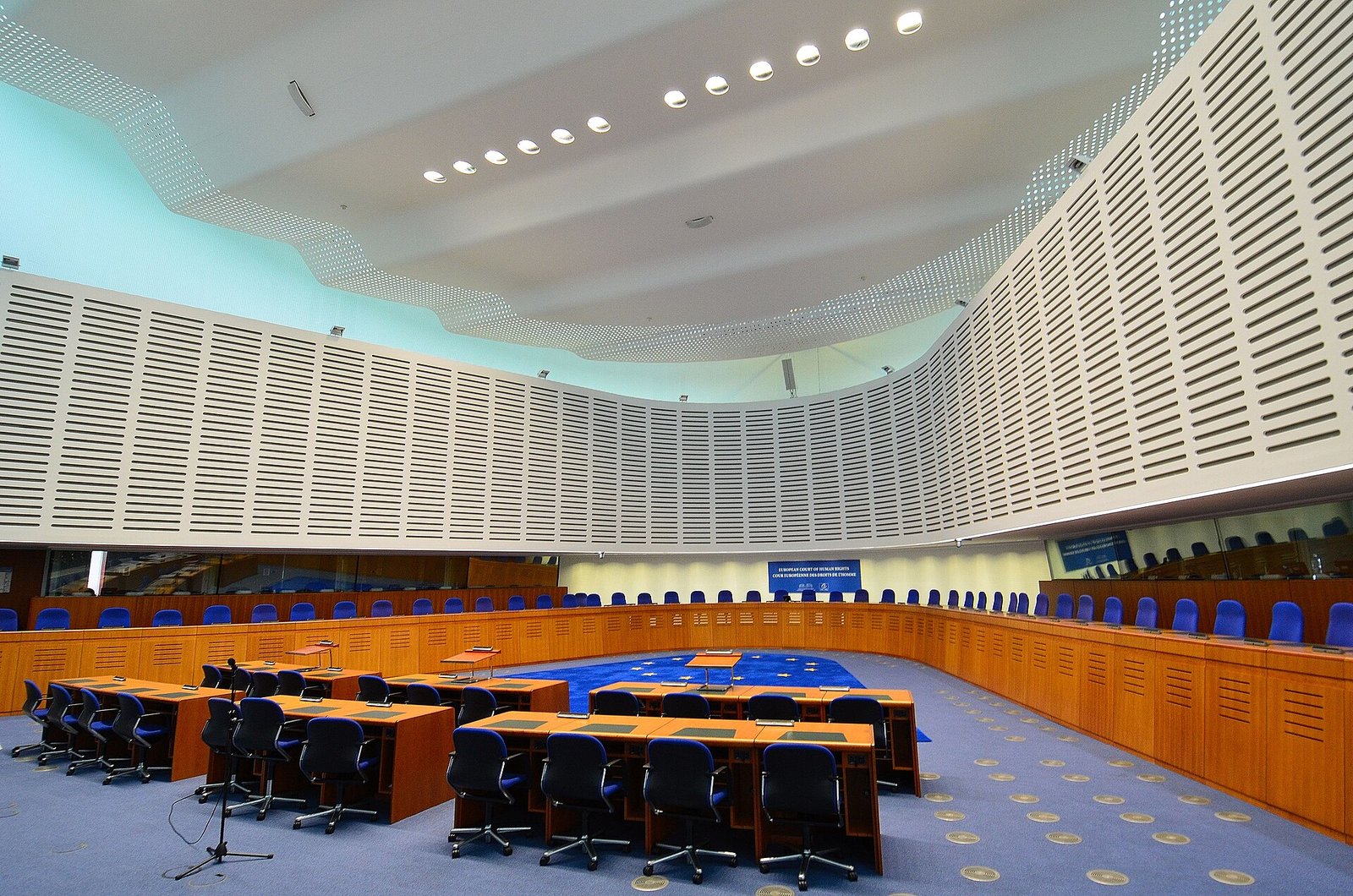
Photo: Courtroom European Court of Human Rights 02 by Adrian Grycuk, CC BY-SA 3.0 pl