 By
AirAsia has told Malaysia-based employees that salary payments will move to the end of each month from November through March, according to a report by ETHRWorld citing Reuters. The change was described in an internal email from Chief People Officer Muhammad Khurram Zia as a “temporary operational adjustment” made in a “challenging environment.”
The email asked staff for “patience and flexibility” and said payments would be made on the 30th of each month, or the last day of February. One person familiar with the matter said AirAsia had previously paid salaries earlier in the second half of each month. The announcement came as the airline reported its third consecutive quarterly loss and said it was conserving cash by suspending unviable routes and returning 25 planes to lessors.
What the delay signals about AirAsia’s cash position
The salary timing change is not an isolated payroll decision. AirAsia’s cash and bank balances stood at 905 million ringgit as of September 30, down 5% from June 30. The airline’s shares have declined more than 70% this year. A creditor restructuring is already underway, with Malaysia’s finance ministry saying it would ask AirAsia for priority over other lenders and strengthen oversight of the airline.
For payroll professionals, a shift in payment dates of this kind often functions as a working capital measure. By holding salary funds for an additional week or two each month, an employer can smooth short-term cash flow without formally deferring wages or breaching employment contracts. The distinction matters: AirAsia has not said it will pay late, only that the scheduled payment date has moved. Whether that constitutes a contractual change depends on the wording of individual employment agreements and any collective arrangements.
Malaysian legal context for salary payment dates
Malaysia’s Employment Act 1955 requires employers to pay wages no later than the seventh day after the end of the wage period. For employees covered by the Act, a month-end payment date for work performed in that same month generally falls within that window. The Act applies to employees whose wages do not exceed 4,000 ringgit per month, though coverage has been extended in some respects. Employees above that threshold, or those in managerial and executive roles, may have different contractual protections.
Employers and payroll teams should confirm whether employment contracts specify a particular payment date. If a contract states that salary will be paid on, for example, the 20th of each month, a unilateral move to the 30th could amount to a variation of contract terms. In practice, many Malaysian employers include clauses allowing reasonable operational adjustments to payment schedules. The Labour Department is the relevant authority for wage complaints under the Employment Act, but readers should confirm the current rules and thresholds for their own workforce.
What this means for HR and payroll teams
The immediate task for HR teams in any company facing a similar adjustment is communication. AirAsia’s internal email framed the change as temporary and operational, with a defined end date of March. That framing gives employees a clear timeline and limits uncertainty. HR teams should document the change, confirm the exact payment dates for each affected month, and prepare line managers to answer questions about personal financial impacts such as standing orders, loan repayments and rent.
Payroll teams should also check downstream effects. A later salary date can affect statutory contribution deadlines for the Employees Provident Fund, Social Security Organisation and the Inland Revenue Board. If contributions are calculated or remitted based on salary payment dates, a shift at month-end could compress processing time. Teams should verify the relevant deadlines for each body and adjust internal cut-off dates accordingly.
Wider restructuring and workforce reductions
The salary timing change sits alongside broader cost measures. AirAsia Philippines said on Thursday it would reduce its workforce following sustained pressure on operating costs, without specifying how many staff would be affected. The AirAsia Philippines Pilots’ Union filed notice of a strike after 90 pilots were retrenched. AirAsia Philippines General Manager and President Anna Victoria Lu said the planned workforce adjustment would not affect passenger flights, booking or other services.
AirAsia employs about 26,000 people predominantly in Asia. CEO Bo Lingam said on Monday that “the worst is behind us,” but cautioned that fourth-quarter fuel costs were expected to rise further. Malaysia’s government has been weighing options to support AirAsia without putting public funds at risk, Reuters previously reported.
| Month | Payment date stated |
|---|---|
| November | 30th |
| December | 30th |
| January | 30th |
| February | Last day of February |
| March | 30th |
For HR leaders in Malaysia, the AirAsia case is a reminder that salary payment dates can become a cash management lever during financial stress. The legal risk is manageable if contracts allow flexibility and communication is clear, but the employee relations cost is real. Teams should review their own contract terms and payroll calendars before any similar adjustment is considered.
Sources: ETHRWorld
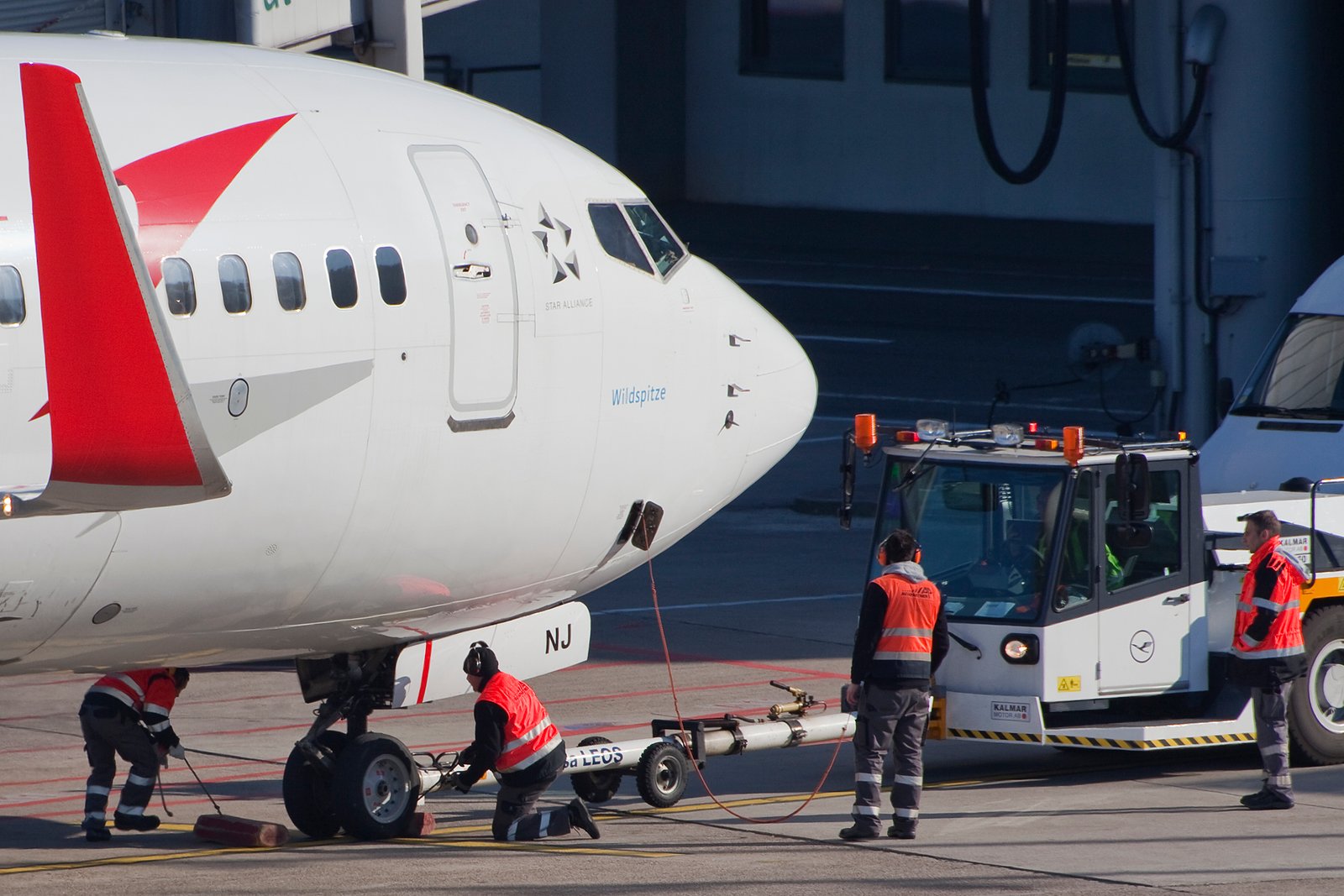
Photo: Staff preparing Austrian Airlines B737-8Z9 (OE-LNJ) for pushback by Maarten Visser from Capelle aan den IJssel, Nederland, CC BY-SA 2.0