 By
Singapore’s Ministry of Manpower (MOM) issued additional guidance on Tuesday, Oct 20, 2026, directing employers to use hourly PM2.5 readings alongside the existing 24-hour Pollutant Standards Index (PSI) forecast when managing outdoor work during haze, according to CNA and AsiaOne. The guidance supplements current recommendations rather than replacing them.
Minister of State for Manpower Dinesh Vasu Dash urged employers to “stay alert to haze conditions, take appropriate precautions, and pay particular attention to workers who are more vulnerable to its effects,” CNA reported. The new approach asks employers to use the 24-hour PSI forecast for next-day planning and 1-hour PM2.5 readings for same-day adjustments during a shift.
Why hourly PM2.5 matters more than the daily PSI
The 24-hour PSI remains the basis for the National Environment Agency’s daily health advisories, but it is a lagging indicator. A 24-hour average can stay moderate even when conditions have deteriorated sharply in the past two hours. PM2.5, fine particulate matter measuring 2.5 micrometres or less in diameter, is the dominant pollutant during haze and responds more quickly to changing conditions.
For HR and payroll teams, the practical difference is timing. A supervisor who checks only the morning PSI forecast may miss a mid-afternoon spike that pushes conditions into the elevated or high band. The MOM guidance closes that gap by making 1-hour PM2.5 the trigger for same-day decisions such as rotating workers indoors, issuing N95 masks, or stopping strenuous tasks.
The four PM2.5 bands and required employer actions
The guidance sets four concentration bands measured in micrograms per cubic metre. Each band carries specific obligations for healthy employees, vulnerable employees, and employers.
| PM2.5 band | Healthy employees | Vulnerable employees | Employer actions |
|---|---|---|---|
| Normal: 0-55 | Normal activities | Normal activities | Monitor the haze situation |
| Elevated: 56-150 | Reduce strenuous outdoor work | Avoid strenuous outdoor work | Use mechanical aids, job rotation, indoor rest breaks, hydration |
| High: 151-250 | Avoid strenuous outdoor work | Avoid outdoor work | Provide N95 or equivalent masks if strenuous work cannot be avoided |
| Very high: 251+ | Minimise outdoor work | Prohibit outdoor work | Defer non-essential jobs; provide masks or respirators; hourly rest breaks of 10-15 minutes indoors |
Vulnerable employees include the elderly, pregnant women, and those with chronic heart or lung diseases. The guidance defines the action words precisely: reducing means doing less, minimising means doing as little as possible, avoiding means “do not do”, and prohibit means must not allow. Prolonged exposure means continuous exposure for several hours; strenuous work involves activities that require significant energy and effort.
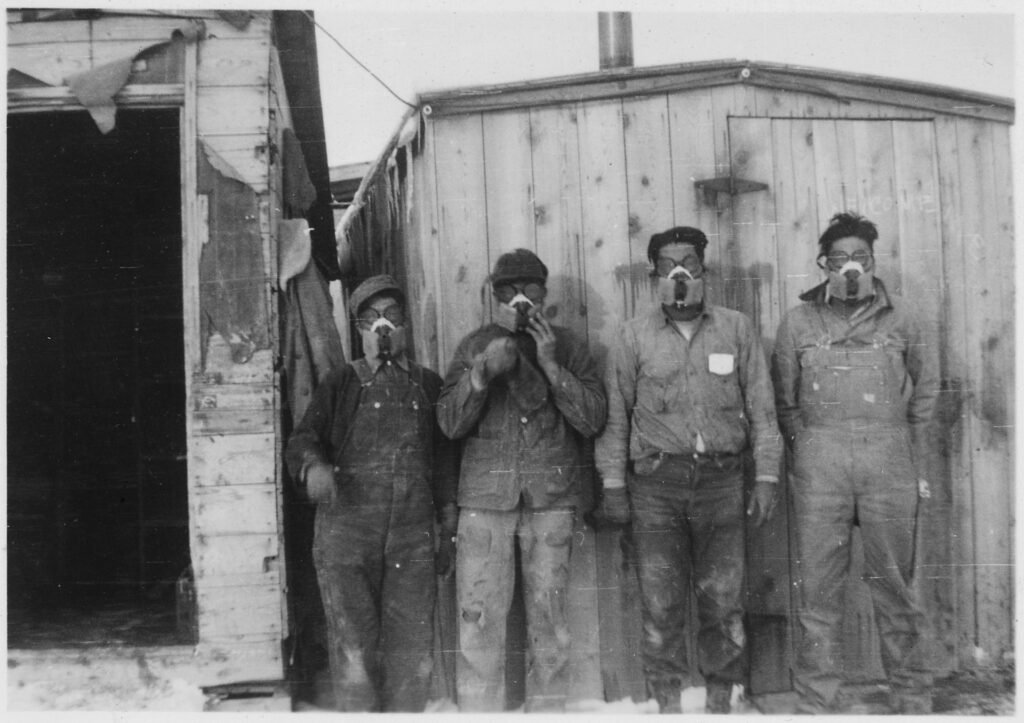
Unknown authorUnknown author or not provided, Public domain
What this means for HR teams in Singapore
The guidance is not a new regulation with penalties attached, but it sets a clear benchmark for what a reasonable employer should do. Under the Workplace Safety and Health Act, employers already have a general duty to protect workers from workplace hazards, and poor air quality during haze falls within that duty. HR teams should treat the PM2.5 bands as the standard a Ministry of Manpower inspector would apply if a worker reported illness or unsafe conditions.
Practical steps start with reviewing the company haze management plan. The guidance asks employers to identify susceptible workers, determine which outdoor activities should be reduced or rescheduled, and set criteria for restricting outdoor work as conditions worsen. Employers should also maintain at least a one-week supply of masks as part of haze-related business continuity planning.
At the very high band, the guidance adds a specific safety note: risk assessments should account for reduced visibility, particularly for lifting operations involving tower and mobile cranes. That point matters beyond health compliance. A crane operator who cannot see a load clearly is a safety incident waiting to happen, and the haze guidance gives site managers a documented reason to pause lifting work even when air quality alone might not force a stoppage.
Payroll and rostering considerations
Hourly PM2.5 readings create a rostering challenge that daily PSI did not. A crew scheduled for outdoor work may need to be reassigned mid-shift, and payroll teams need a clear record of when that happened and what alternative work was performed. Employers should document the PM2.5 reading at the time of any work adjustment, the decision made, and which workers were affected. That record serves two purposes: it shows compliance if MOM asks questions, and it supports accurate pay calculations if workers are moved to different tasks or sent home.
The guidance does not specify whether workers sent home due to haze must be paid, and Singapore law does not have a specific haze pay provision. Employers should confirm their own employment contracts and collective agreements. In practice, many employers treat haze-related stoppages like weather disruptions, but the absence of a clear rule means HR teams should decide the policy before the next haze episode, not during one.
Common mistakes to avoid
The most frequent error is using the 24-hour PSI for same-day decisions. A PSI reading from the morning news may reflect conditions from the previous night. The MOM guidance is explicit that same-day adjustments should follow 1-hour PM2.5 readings, which are available from the National Environment Agency’s haze microsite and mobile apps.
A second mistake is treating N95 masks as optional at the high band. The guidance says masks “should be provided” if strenuous outdoor work cannot be avoided at 151-250 micrograms per cubic metre. At the very high band, masks or appropriate respirators are required if outdoor work continues. Employers who wait until workers complain are already behind the standard.
A third mistake is failing to identify vulnerable workers in advance. Pregnant employees and workers with chronic heart or lung conditions may not be obvious to a supervisor on a hazy afternoon. HR teams should maintain a confidential list of workers who have self-identified as vulnerable, with their consent, so that site supervisors can apply the stricter requirements without making individual medical judgements under time pressure.
Sources: ET HRSEA, CNA, AsiaOne
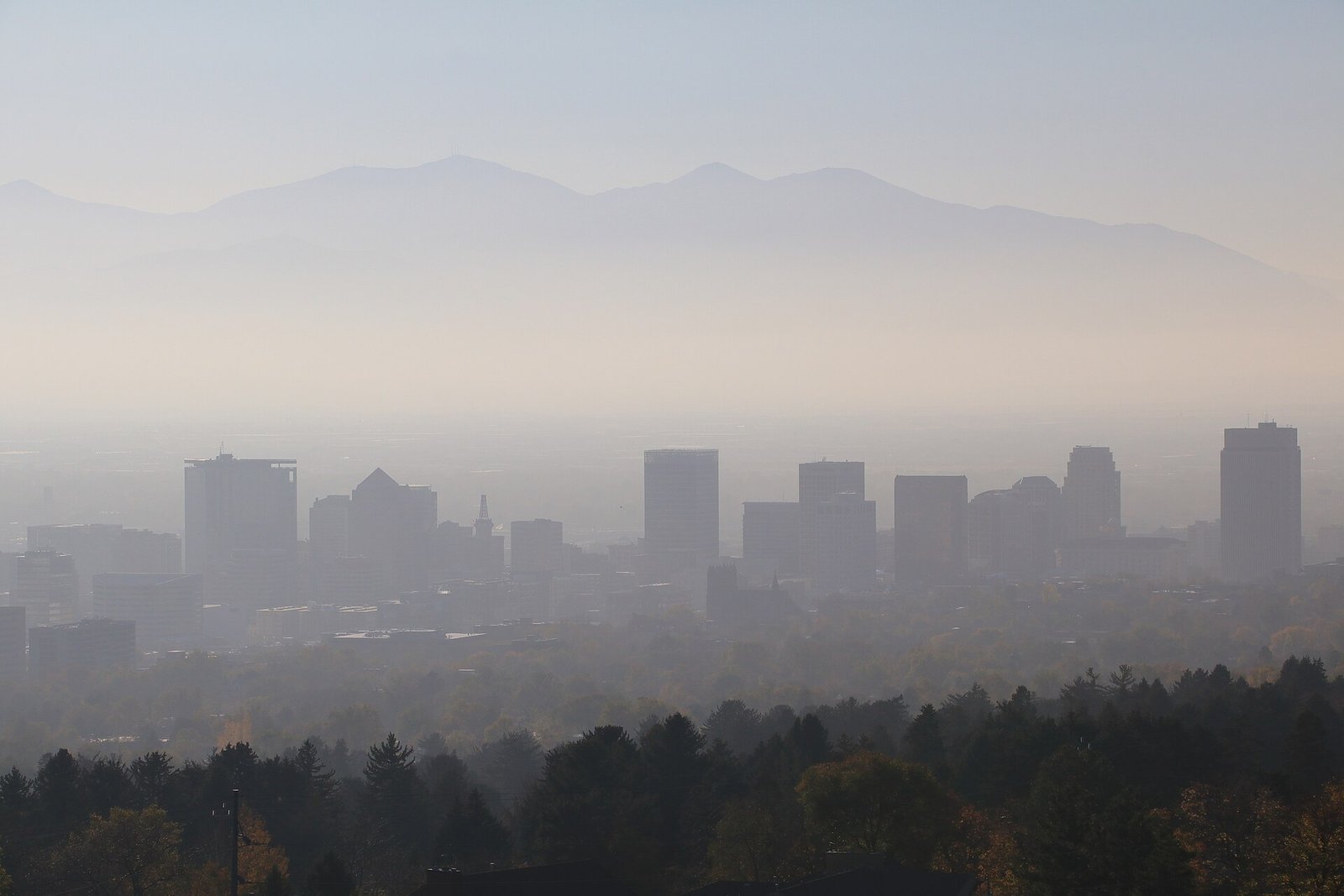
Photo: Salt Lake City smog haze skyline 01 by Eltiempo10, CC BY-SA 4.0