 By
The Department of Labor and Employment has committed to assist sugarcane workers affected by the red-striped soft scale insect infestation, according to a Daily Tribune report published November 13. Labor Secretary Francis Tolentino made the commitment during a consultative dialogue with the Sugar Tripartite Council held Thursday, November 12, at the DOLE main office in Manila.
Bureau of Workers with Special Concerns Director Leilani Reynoso guaranteed that workers who suffered from the RSSI infestation will receive timely financial relief, the Daily Tribune reported. Affected workers can join the DOLE Tulong Panghanapbuhay sa Ating Disadvantaged Workers program, known as TUPAD, which provides skills training and livelihood assistance.
What the RSSI infestation means for sugarcane employment
The red-striped soft scale insect damages sugarcane by feeding on plant sap, reducing yields and in severe cases killing crops. For workers paid by output or seasonal contract, a poor harvest translates directly into fewer work days and lower income. The Daily Tribune reported that 9,491 sugarcane farmers have been affected, and Iloilo province declared a state of calamity last month due to the infestation.
The Sugar Tripartite Council requested the dialogue to discuss workforce and labor challenges facing the sugar industry, including the RSSI outbreak. DOLE said it will meet with the STC again to address other issues affecting sugar farmers and agricultural workers.
How TUPAD works for affected workers
TUPAD is a community-based emergency employment program administered by DOLE through local government units. It offers displaced or disadvantaged workers short-term paid work, typically involving community projects such as cleanup, repair or agricultural support tasks. Participants also receive basic orientation on safety and may access skills training.
For sugarcane workers affected by RSSI, TUPAD functions as a bridge during the period when field work is unavailable. The program pays workers for a set number of days, with wages aligned to the regional minimum wage. Enrollment normally requires coordination with the local government unit and DOLE field office, which verify worker eligibility and organize the work placements.
Payroll and HR teams at sugar mills, planters’ associations and agribusiness contractors should note that TUPAD payments are processed through DOLE and its partner agencies, not through the employer. Employers do not run TUPAD payroll, but they may be asked to provide worker lists or certification of displacement to support applications.
What employers and HR teams should track
The DOLE commitment does not yet specify funding amounts, timelines or the number of worker slots. The Daily Tribune report states only that financial relief will be timely and that TUPAD is the identified mechanism. HR and payroll leads in the sugar sector should monitor announcements from DOLE regional offices, particularly in Western Visayas where Iloilo is located, for enrollment windows and documentary requirements.
Employers should also prepare for possible requests to verify employment status. Workers who are seasonal, job-order or paid by piece rate may need employer certification to prove they were engaged in sugarcane work before the infestation reduced available work. Keeping accurate records of worker names, work periods and pay arrangements will speed up any such verification.
Broader labor issues still on the table
The STC dialogue covered more than RSSI. The council raised workforce and labor challenges facing the sugar industry, and DOLE agreed to meet again to address these thoroughly. The Daily Tribune did not detail what those other issues are, but the sugar industry in the Philippines has long faced questions around seasonal employment, minimum wage compliance, social protection coverage and the impact of mechanization on field labor.
For HR and payroll professionals, the key takeaway is that DOLE is treating the RSSI outbreak as a labor disruption, not only an agricultural problem. That means employment programs, wage relief and worker documentation will flow through labor channels. Employers who engage sugarcane workers directly or through contractors should stay in contact with their DOLE regional office and industry associations to understand how future STC decisions may affect hiring, pay and compliance obligations.
Sources: Daily Tribune
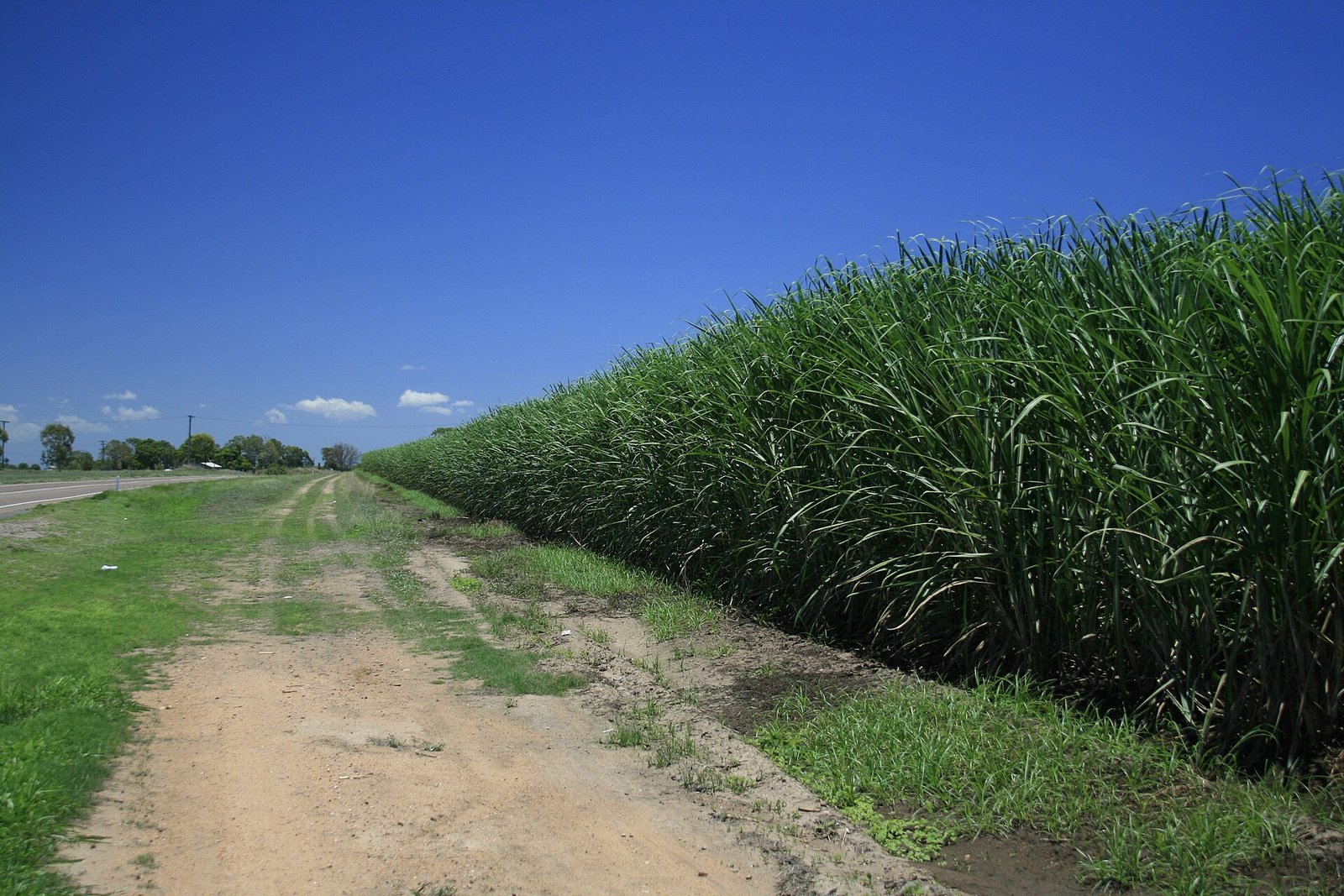
Photo: Sugarcane field in Queensland, Australia 1 by Phil, CC BY 2.0