
 By
By Jordan is shifting its refugee response beyond humanitarian aid toward sustainable economic opportunity, social protection and stronger coping capacity for refugees and Jordanians in host communities, according to Jordan News. A fact sheet issued this month by the Afaq Partnership outlines an approach combining protection, education, vocational training, employment and infrastructure investment, with the stated aim of expanding economic opportunities and strengthening social cohesion.
The partnership, implemented with the Jordanian government, employers’ and workers’ organisations, the private sector, UNHCR and international organisations, supports wage employment, self-employment, entrepreneurship and cooperatives while facilitating access to work permits and inclusive financial services. Cumulative results from March 2019 to April 2026 show 97,791 people obtained work permits or registered businesses, 53,607 benefited from employability programmes and job matching, and 62,805 increased their incomes or improved working conditions. Jordan hosted more than 393,000 registered refugees as of June 2026, most living outside camps in Amman, Mafraq, Irbid and Zarqa.
What the shift means for Jordanian employers
The move from aid to employment has direct implications for HR and payroll teams in Jordan. Work permit facilitation is central to the Afaq Partnership model, which means employers may see more Syrian refugees presenting valid permits rather than working informally. The individual case reported by Jordan News illustrates the change: Iyad, forced to leave Syria in 2013, worked in informal, low-paid jobs without a social safety net before joining the Istidama++ programme, which helps vulnerable workers gain access to protection and greater stability.
For payroll managers, this matters because formal employment brings social security obligations, income tax withholding and contract registration requirements. A worker moving from informal cash payment to registered employment changes the payroll calculation, the documentation trail and the employer’s exposure to labour inspections. The 44,456 people who benefited from national social protection programmes signal that more refugee workers are entering systems where contributions and entitlements are tracked.
The geographic concentration also matters. With most refugees in Amman, Mafraq, Irbid and Zarqa, employers in those governorates are more likely to encounter refugee applicants with work permits and training certificates. The 102,965 people enrolled in technical and vocational education or skills training programmes represent a growing pool of formally trained candidates, though the data does not break down completion rates or sectoral placement.
The tension with Jordanian youth unemployment
More than half of Jordan’s population is under 24, and the country faces persistent youth unemployment. The Afaq Partnership’s framing explicitly includes Jordanians in host communities, not only refugees, which reflects a political and social reality: employment programmes perceived as favouring refugees over citizens can fuel resentment. The fact sheet’s inclusion of social cohesion as a goal acknowledges this tension without resolving it.
The cumulative figures do not separate Jordanian and refugee beneficiaries, which makes it difficult for employers or policymakers to assess whether the programmes are reaching both groups proportionally. The 62,805 people who increased incomes or improved working conditions could include both populations, but the source does not provide a breakdown. HR teams designing inclusive hiring strategies should be aware that community perceptions matter, particularly in governorates with high refugee density and high Jordanian unemployment.

Legal and administrative barriers remain
The Afaq Partnership’s stated facilitation of work permits points to a known bottleneck in Jordan’s labour market. Work permits for Syrian refugees have historically involved fees, employer sponsorship requirements and sector restrictions, though the current fact sheet does not specify which sectors are open or what the permit costs are. The 97,791 work permits and business registrations over seven years is a substantial number, but it represents only a portion of the 393,000 registered refugees, and the source notes the registered refugee count has been gradually declining due to voluntary returns to Syria.
Employers should confirm current work permit rules with the Ministry of Labour rather than relying on historical practice. The partnership’s inclusion of inclusive financial services suggests that banking access and formal payment channels are part of the model, which has payroll implications for employers who previously paid refugee workers in cash. The 135,310 people who received legal assistance and case management services indicate that documentation and legal status issues remain significant enough to require large-scale support.
What the data does not yet show
The fact sheet reports enrolment and registration figures, not sustained employment outcomes. The 53,607 people who benefited from employability programmes and job matching is smaller than the 102,965 who enrolled in training, suggesting a gap between training completion and formal employment services. The 62,805 people with increased incomes is a resilience indicator, but the source does not define the income threshold or the duration of improvement.
For HR and payroll leaders, the practical takeaway is that refugee employment in Jordan is becoming more formalised, more documented and more connected to national systems. The shift from aid to jobs is measurable in work permits and training enrolments, but the quality and durability of those jobs remain open questions. Employers considering hiring refugees should verify permit validity, understand social security obligations and recognise that the policy environment is still evolving.
Sources: Jordan News
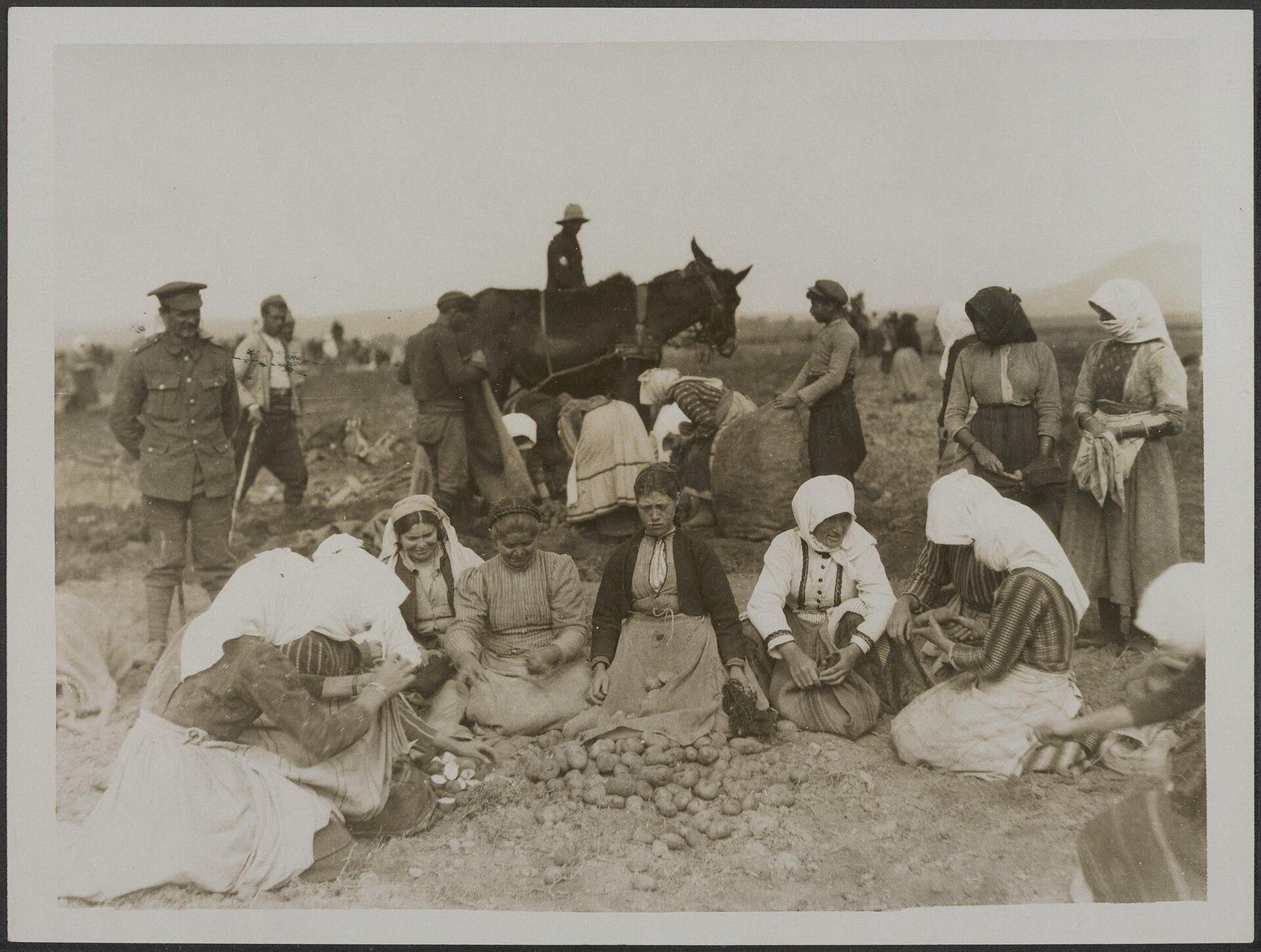
Photo: To give employment to the Macedonian women refugees the Army Service Corps has s by Nationaal Archief, CC0