 By
Malaysia’s Ministry of Human Resources (KESUMA) has said it is ready to help media workers and journalists who lose their jobs, including through the Employment Insurance System (EIS) run by the Social Security Organisation (PERKESO). Deputy Human Resources Minister Datuk Khairul Firdaus Akbar Khan made the pledge in the Dewan Rakyat on Tuesday, November 3, according to ETHRWorldSEA.
The statement followed an announcement by Media Mulia Sdn Bhd, publisher of Utusan Malaysia and Kosmo, on Monday, November 2, that a restructuring would place nearly 100 employees on a paid leave programme. The company has described the move as part of a wider review rather than a retrenchment, and has not said what will happen to the affected employees when the paid leave ends.
What the EIS covers in Malaysia
The Employment Insurance System is a mandatory social insurance scheme for private sector workers in Malaysia who lose their jobs. It is administered by PERKESO and provides temporary financial support, re-employment services and training assistance. The scheme applies to Malaysian workers and permanent residents aged 18 to 60 who contribute monthly, with employers also contributing on their behalf.
For HR and payroll teams, the key point is that EIS eligibility depends on contribution history, not on the reason for job loss alone. The Deputy Minister said EIS benefit applications can be made within 60 days of the date of job loss, provided the required contribution eligibility is met and the relevant supporting documents are submitted. Payroll departments should treat the date of job loss carefully, because it starts the 60-day clock for the worker to apply.
Why the Utusan and Kosmo case is not a standard retrenchment
Media Mulia has framed the restructuring as a paid leave programme within a wider review. That wording matters for payroll and HR teams because a paid leave programme is not automatically a termination of employment. If the employment relationship continues during paid leave, the 60-day EIS application window may not yet have opened.
The company’s director and chief financial officer, Abd Wahid Idris, said the shift of the media industry towards digital platforms made it necessary to adjust the company’s direction. He also said the current management had previously rescued the two newspaper brands after their former owner ceased operations in 2019, and that strategic adjustments are needed to stop them from meeting the same fate.
For employers watching this case, the practical lesson is that restructuring language can delay or complicate statutory benefit claims. If a company later converts paid leave into retrenchment, the affected workers should be given a clear end date and documentation, because that is the date PERKESO will use to assess the 60-day deadline.

What HR and payroll teams should prepare now
The Deputy Minister told the House he has prepared six steps to help affected workers and will share them with the Pulai MP, Suhaizan Kaiat, who had asked whether between 100 and 200 Utusan Malaysia employees might lose their jobs. The six steps were not listed in the reply.
Even without those details, payroll and HR teams in Malaysia can take several practical steps when a restructuring of this kind is announced. First, verify each affected employee’s EIS contribution record in the PERKESO portal. Contribution gaps can affect eligibility, and identifying them early gives the employer time to correct errors before a claim is filed.
Second, prepare the supporting documents that PERKESO typically requires, including the termination letter, salary slips and proof of contributions. Third, brief affected workers on the 60-day application window and the need to apply promptly once the job loss date is confirmed.
The wider context for media employers
The Utusan and Kosmo case is the second major disruption for the brands. Their former owner ceased operations in 2019, and the current management has said the restructuring is intended to secure the future of both titles and to keep producing higher-quality, authoritative and credible editorial content.
For HR leaders in other Malaysian media companies, the case highlights how digital transition can produce workforce changes that fall between ordinary retrenchment and ongoing employment. The EIS is designed for workers who lose their jobs, but the scheme’s practical value depends on employers and workers recognising when a job loss has actually occurred under the law.
The ministry has said that if layoffs go ahead, it will ask the companies involved to submit applications for assistance and will review the eligibility of the affected workers under the EIS. Employers should confirm the current rules and procedures with PERKESO directly, because contribution requirements and documentary standards can vary by case.
Sources: ET HRSEA
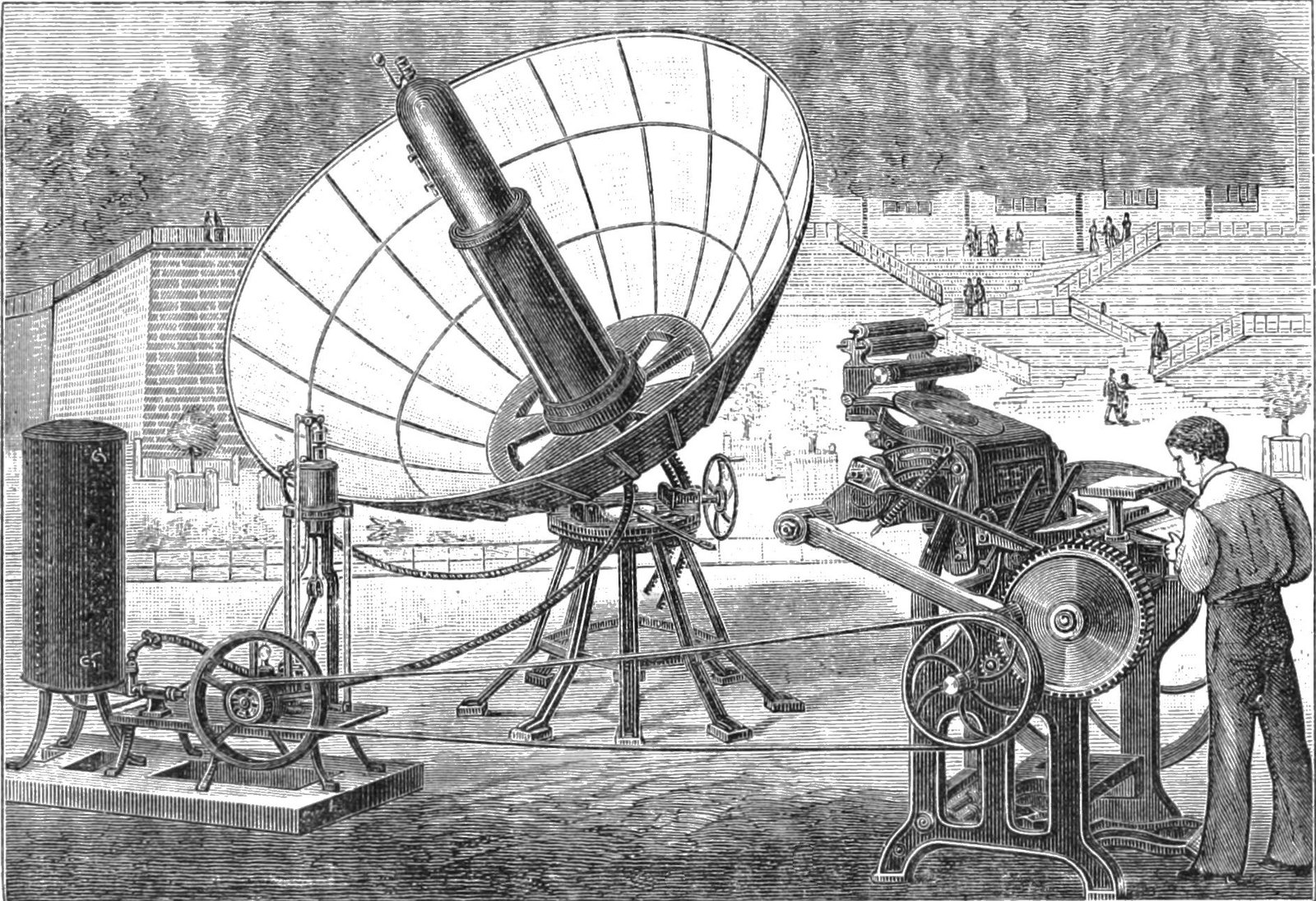
Photo: PSM V23 D352 Printing a newspaper by solar heat by Unknown authorUnknown author, Public domain