 By
The International Labour Organization has expanded its human rights due diligence training programme in Thailand’s automotive and electronics sectors, convening more than 40 trade union and workers’ representatives in Chachoengsao on 14 and 15 November 2026, according to the ILO. The two-day session aimed to strengthen workers’ capacity to engage in responsible business practices, following an initial programme launched in June 2026 that reached more than 50 companies.
Participants represented the Eastern Economic Corridor and other manufacturing provinces across Thailand. The training was delivered through the ILO’s Advancing Responsible Supply Chains and Decent Work in Asia project, supported by Japan’s Ministry of Economy, Trade and Industry, in collaboration with the Confederation of Thai Electrical Appliances, Electronic, Automobile and Metalworkers.
Laray Youpensuk, President of TEAM, said: “We have heard about HRDD for several years and thought it was mainly a management exercise. But as the concept has grown across industries at global, national and sectoral levels, we have realised that it is an ongoing process that everyone in the company must actively be involved in.”
Why Thai HR teams should pay attention
Thailand’s automotive and electronics sectors employ approximately 1.45 million workers combined, and the country ranks among the world’s leading producers and exporters in both industries. These sectors connect multinational enterprises with extensive networks of domestic suppliers, which means due diligence expectations imposed by overseas buyers increasingly reach Thai factories of all sizes.
For HR and payroll managers, the practical implication is that human rights due diligence is no longer confined to compliance departments or sustainability teams. The ILO’s framing places workers’ representatives as active participants throughout the process, from identifying risks on the production floor to monitoring corrective measures. HR teams that treat HRDD as a management-only exercise may find themselves out of step with both international expectations and their own workforce.
What the training covered in practice
The Chachoengsao session explored how workers and their organisations can contribute at each stage of due diligence. That includes identifying risks on the production floor, helping shape preventive and corrective measures, monitoring effectiveness, and ensuring workers can raise concerns and seek remedy without fear of reprisal.
Discussions also examined how risks affect different groups of workers differently, including migrant, contract and women workers. This is significant for Thai HR teams because payroll and workforce data often reveal these disparities first, whether through wage gaps, contract types or grievance patterns. The training was grounded in international labour standards and focused on practical skills in bipartite social dialogue and workplace cooperation.
Mattie Milliken, Project Technical Officer at the ILO, said: “As expectations on human rights due diligence rise, the question for companies is no longer whether they do it, but whether they do it well.”

The MNE Declaration and what it asks of employers
The training drew on the ILO’s Multinational Enterprises Declaration, which states that due diligence should involve meaningful consultation with workers’ organisations, grounded in social dialogue. Milliken said that in practice this means involving workers from the very start, in shaping priorities and identifying risks, rather than informing them once decisions are made.
For HR managers in Thailand, this has direct operational consequences. Worker involvement cannot be a box-ticking exercise appended to an existing compliance calendar. It requires mechanisms for genuine consultation before risk assessments are finalised, before corrective action plans are approved, and before remediation measures are communicated. Companies that build this into their operating rhythm will be better prepared for new buyer requirements and will build more resilient workplaces, according to the ILO.
What happens next
The RSC project will continue to engage workers’ representatives in its activities and will develop a practical tool to help enterprises strengthen access to remedy at the workplace level. HR teams in Thai automotive and electronics companies should watch for that tool, as it is likely to shape how grievance mechanisms are designed and evaluated.
The ILO also noted that effective due diligence is linked to strong labour market institutions. Where workers can organise, bargain collectively and raise grievances safely, problems can be identified and resolved early. That connection matters for HR leaders because it reframes worker voice not as a compliance burden but as an early warning system that can prevent costly disruptions later.
| Due diligence stage | Worker role identified in training |
|---|---|
| Risk identification | Reporting hazards and patterns on the production floor |
| Preventive and corrective measures | Helping shape actions that address root causes |
| Monitoring | Assessing whether measures work in practice |
| Remedy | Raising concerns and seeking resolution without reprisal |
The training’s focus on migrant, contract and women workers also signals where Thai HR teams should concentrate their attention. These groups are often less visible in formal consultation structures, yet they may face the most acute risks in supply chain operations. Payroll data can help identify where contract and migrant workers are concentrated, but only if HR systems are configured to capture that information accurately.
Sources: International Labour Organization
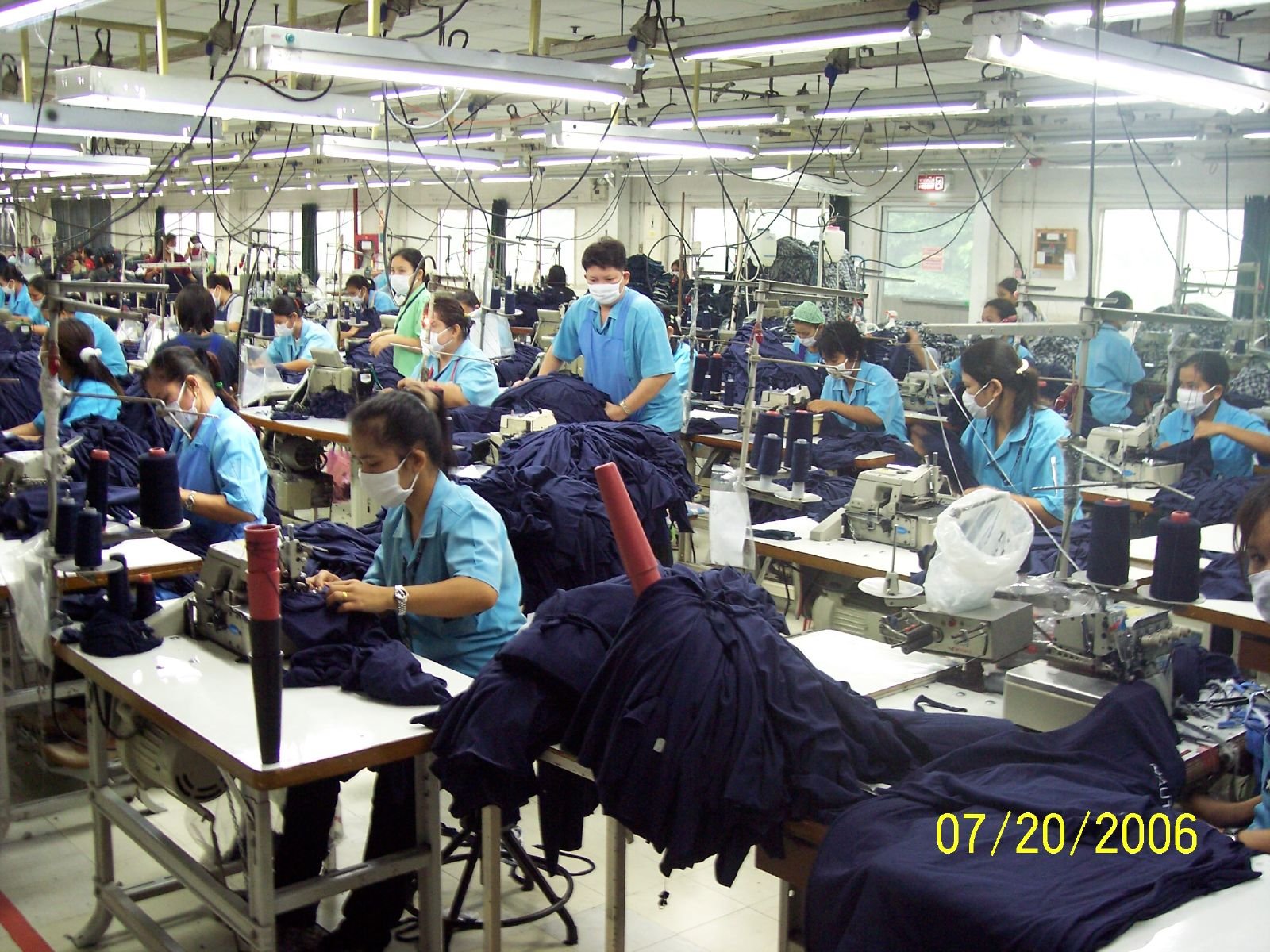
Photo: Garment Factory Workers in Thailand by Greg Walters, CC BY 2.0