 By
A federal court has ruled that a U.S. Department of Labor rule lowering minimum wage rates for H-2A farm workers is unlawful, according to HRMorning. The decision in United Farm Workers v. Department of Labor requires the DOL to issue a replacement rule by Dec. 30.
In a Sept. 2 notice required by the court, the DOL told employers they may owe back wages to H-2A workers and U.S. workers in the same jobs for work done since that date, once the new minimum wage rates are issued. No back-pay adjustment is currently required under the ruling, and employers should continue paying the applicable current rates until replacement rates take effect.
What the H-2A wage rule actually governs
The H-2A Temporary Agricultural Visa Program allows U.S. agricultural employers to hire foreign workers for seasonal or temporary farm work when domestic workers are not available. A core requirement of the program is that employers pay a minimum wage, often called the adverse effect wage rate, designed to prevent H-2A hiring from depressing wages for U.S. workers in the same roles.
The rule at issue in this case lowered those minimum wage rates. The court’s rejection of that rule means the wage floor will be recalculated under a replacement rule the DOL must issue by Dec. 30. Until then, the current rates remain in effect, but the eventual replacement rates may be higher than what employers have been paying since Sept. 2.
What the back-pay exposure means for payroll teams
The most immediate concern for payroll and HR teams is the possibility of retroactive wage adjustments. The DOL’s Sept. 2 notice indicates that once replacement rates are published, employers may owe back wages for work performed from that date forward. The notice does not state dollar amounts or percentages, and no specific wage rates were provided in the source reporting.
For payroll teams, this creates a recordkeeping burden that cannot be deferred. The recommended practice is to maintain detailed records of hours worked, duties performed, and wages paid for every H-2A worker and any U.S. worker in corresponding employment. Without those records, calculating any eventual back-pay obligation will be difficult or impossible.
Employers should also monitor the DOL’s replacement rule closely. The Dec. 30 deadline is a court-ordered date, not a suggestion. Once the new rates are published, payroll systems and timekeeping workflows will need to be updated quickly to reflect the corrected minimums.
Practical steps for H-2A employers before Dec. 30
The period between now and the replacement rule’s effective date is not a waiting period. Several steps can reduce risk and prepare for the new rates.
First, identify every worker whose pay is tied to the H-2A minimum wage. That includes both H-2A visa holders and U.S. workers in corresponding employment, since the program’s wage protections extend to both groups.
Second, audit current pay rates against the rates in effect before the now-invalidated rule took effect. If the invalidated rule lowered wages, the replacement rule may restore or exceed those earlier levels. Knowing the gap helps estimate potential back-pay exposure.
Third, preserve time and attendance data. The DOL’s notice specifically points to hours worked, duties performed, and wages paid as the relevant records. Payroll exports, timesheets, and job descriptions should be retained in a format that can support a retroactive calculation.
Fourth, budget for a possible lump-sum back-pay obligation. The source reporting gives no dollar figures, so employers cannot yet quantify the liability. But treating it as a contingent payroll cost is prudent.
Common mistakes to avoid while the rule is unresolved
One mistake is assuming the current rates are safe to keep paying indefinitely. The court has already held the lower rates unlawful, and the DOL has signaled that back pay may be owed. Continuing to pay the current rates is required for now, but it does not eliminate future liability.
Another mistake is failing to include U.S. workers in the same jobs when assessing exposure. The DOL’s notice refers to both H-2A workers and U.S. workers in corresponding employment. A payroll adjustment that covers only visa holders would be incomplete.
A third mistake is discarding or overwriting payroll records after the normal retention period. The back-pay window begins Sept. 2, and the replacement rule may not take effect until late December or later. Records covering that entire window should be preserved.
Finally, employers should not assume that state-level wage rules are irrelevant. The H-2A minimum wage is a federal floor, but some states have their own agricultural wage requirements. Employers should confirm how the federal replacement rule interacts with any state-specific obligations for their locations.
| Date or period | What it means for employers |
|---|---|
| Sept. 2 | Start of potential back-pay exposure window per DOL notice |
| Dec. 30 | Court-ordered deadline for DOL to issue replacement rule |
| After replacement rule issued | Back-pay calculations may become due for work since Sept. 2 |
| Until replacement rates take effect | Continue paying current applicable rates and keep detailed records |
The ruling does not require any immediate payment adjustment. But the combination of a court-ordered replacement rule and a DOL notice acknowledging possible back pay means H-2A employers should treat the next several weeks as a preparation period, not a reprieve.
Sources: HRMorning
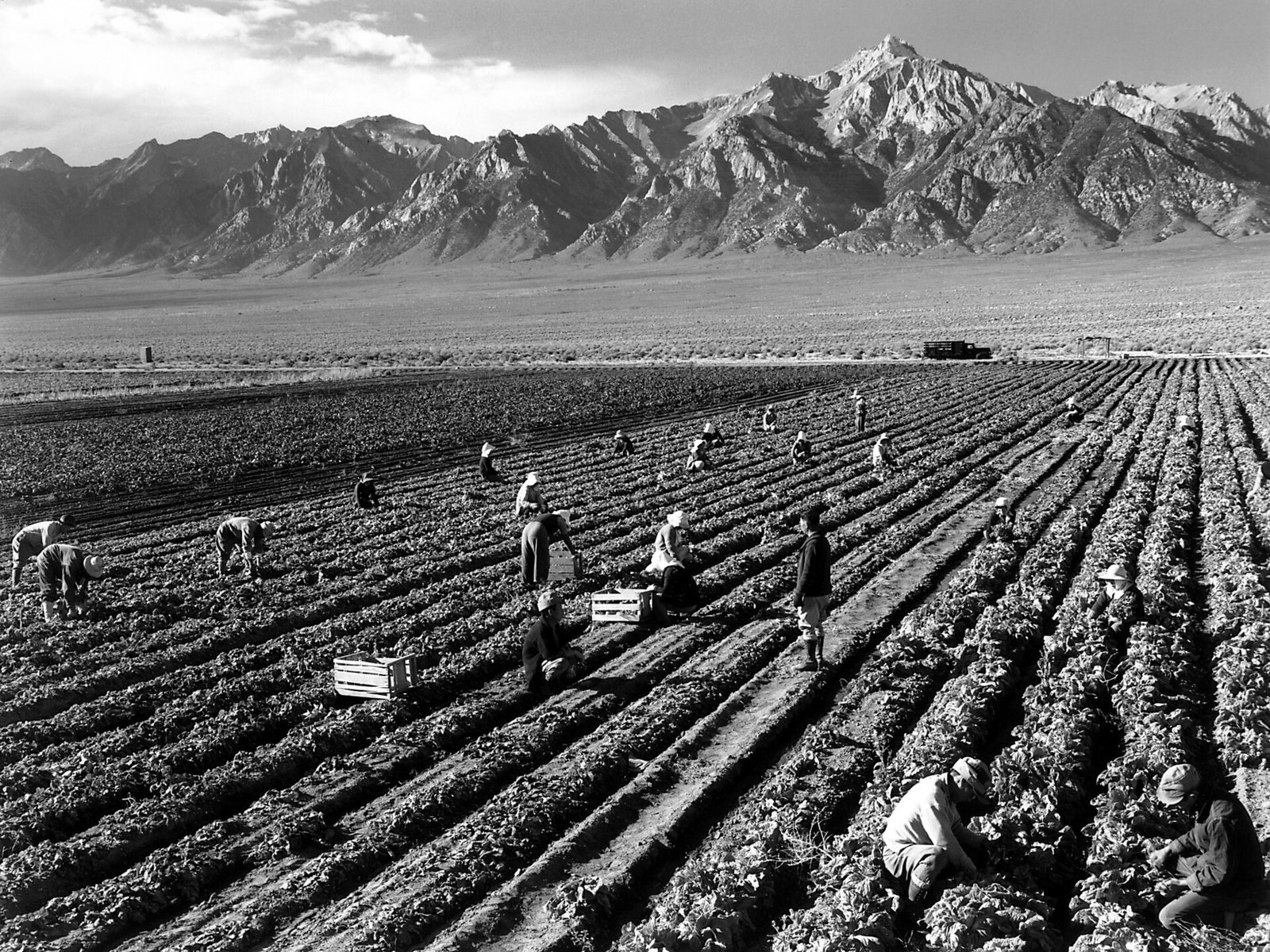
Photo: Ansel Adams - Farm workers and Mt. Williamson by Ansel Adams, Public domain