 By
Thailand is negotiating five US demands tied to a proposed 19% reciprocal tariff, with leaders set to sign a joint statement on November 17 as a step towards a new trade agreement, the Agreement on Reciprocal Trade (ART), according to Nation Thailand. Prime Minister Anutin Charnvirakul and US President Donald Trump are scheduled to meet at 7.30pm Philippine time, or 6.30pm in Thailand, in the Philippines.
The five demands cover agricultural market access, labour rights, intellectual property, digital trade, and telecoms ownership. Deputy Prime Minister and Commerce Minister Suphajee Suthumpun has maintained that Thailand will not compromise its negotiating limits on sanitary standards, security and investment. Thailand’s Cabinet endorsed the draft statement on November 10.
What the five demands mean for Thai employers
The labour rights demand is the most direct concern for HR and payroll teams. The US wants changes to Thai law and enforcement on freedom of association and collective bargaining, plus stronger action against forced labour and child labour. The US has used Section 301 of its Trade Act of 1974 in this area.
Suphajee has clarified that Thailand’s required legislation concerns imports of goods produced using forced labour in third countries, extending beyond abuses within Thailand itself. For employers with export supply chains, this suggests future compliance checks may reach beyond Thai factory gates to suppliers in other countries.
The agricultural demand includes faster import permits for US meat and poultry certified by the US Food Safety and Inspection Service, covering pork, beef, poultry and offal, plus restrictions involving ractopamine. Thai officials have said they will not compromise on sanitary standards for food imports.
Payroll and HR compliance under a possible ART
No competitor pages could be read for this search, so the practical guidance below is drawn only from the reported facts. Employers should treat the joint statement as an early signal, not a final rulebook. The full agreement remains subject to further domestic procedures, and both countries must complete their respective legal requirements.
For Thailand, legal teams must settle the substance and wording before seeking Cabinet endorsement ahead of signing. Parliamentary consideration and public consultation are also required, with details to be disclosed through those processes. That means payroll and HR teams have time to prepare, but should monitor the public consultation process for draft labour provisions.
The digital trade demand includes new rules on cross-border data and payment processing, with no digital taxes. For payroll departments that transfer employee data across borders or use cloud-based HR systems hosted outside Thailand, this could eventually affect data handling rules. No specific thresholds or timelines have been published.

Telecoms ownership and workforce implications
The US demand includes removing the 49% foreign ownership cap in telecommunications. Thai officials have listed investment among their red lines, so the outcome is uncertain. If the cap were lifted, foreign-owned telecoms employers in Thailand could face different reporting lines, equity structures, and possibly different payroll practices. But no change is confirmed, and the red line on investment suggests Thailand will resist broad liberalisation.
The intellectual property demand addresses trademarks, copyright and patents. For HR teams, this is less immediate, but employers that use licensed software for payroll, time tracking, or recruitment may see renewed enforcement pressure if the agreement strengthens IP protections.
| Demand area | US position | Thailand’s stated position |
|---|---|---|
| Agriculture | Wider access, faster FSIS permits, ractopamine review | No compromise on sanitary standards |
| Labour | Stronger collective bargaining, forced labour controls | Will legislate on third-country forced labour imports |
| Digital trade | No digital taxes, new data rules | Not stated |
| Telecoms | Remove 49% foreign ownership cap | Investment listed as a red line |
What HR teams should watch next
The leaders’ meeting on November 17 will produce a joint statement, not a signed trade agreement. The ART itself still needs Cabinet endorsement, parliamentary consideration, and public consultation in Thailand. HR and payroll leaders should track the public consultation documents when they are released, as those may contain draft labour provisions that affect collective bargaining, forced labour due diligence, and cross-border data handling.
Employers with US-bound exports should review their supply chain documentation now. The forced labour focus extends to third countries, so a Thai employer that sources materials from a country with known forced labour risks may need to prepare evidence of due diligence. No specific documentation requirements have been published, so this is a preparatory step, not a compliance deadline.
The sanitary standards red line is significant for food sector employers. Thailand has said it will not compromise on sanitary standards for food imports, which may limit how far the agricultural provisions go in practice. Employers in food processing, import, and retail should follow the public consultation for any changes to import permit procedures.
Sources: Nation Thailand
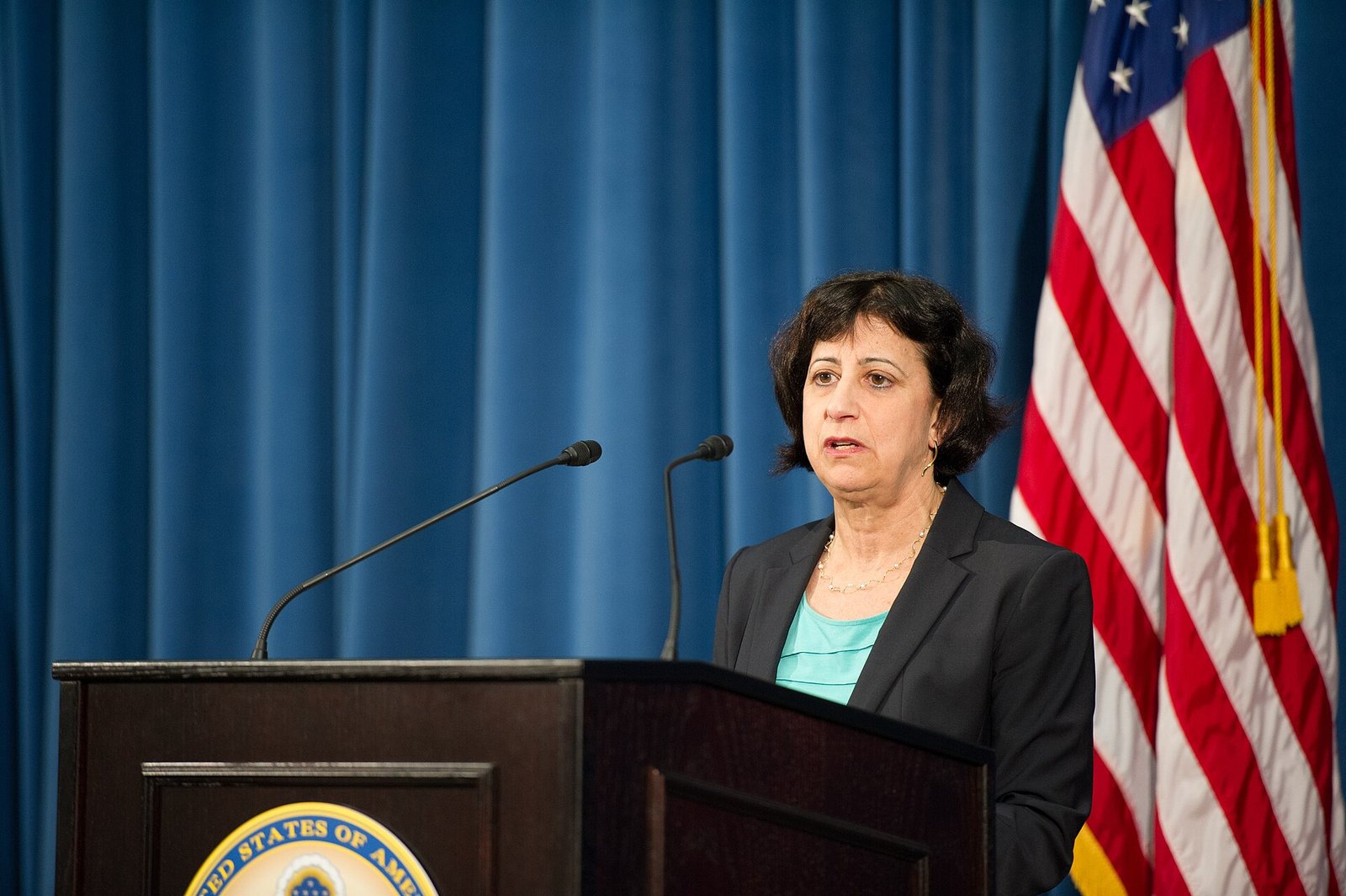
Photo: Deputy USTR Cutler's Tokyo Press Conference on Trade Negotiations (9469275325) by East Asia and Pacific Media Hub U.S. Department of State, Public domain