 By
SAP is reportedly considering a major restructuring that could result in at least 10,000 job cuts as it prepares its business for the growing role of artificial intelligence, according to HRKatha. If implemented, the move would affect more than 9 percent of the company’s global workforce of over 110,000 employees.
Discussions are still underway, and the final number of jobs affected could change after consultations with employee representatives and labour bodies. The restructuring comes as SAP realigns around an AI-first strategy under CEO Christian Klein, with all functions asked to identify areas where costs and headcount can be reduced. Product development, engineering and sales are among the teams receiving particular attention.
Why SAP is restructuring again
This would be the second major workforce reduction in two years. In 2024, SAP eliminated around 10,000 positions at a cost of about €3 billion, a process that took more than a year to complete. The company’s workforce has grown slightly this year, but executives have hinted that trend may not continue.
The leadership picture has also shifted. Two of six board members are set to leave in March. Muhammad Alam, the product chief, saw his contract not renewed and his responsibilities largely absorbed. Thomas Saueressig, the sales head, recently announced his departure to lead another company. SAP has already made two executive board reshuffles this year.
The company is reviewing how it develops, delivers and sells its products, working to integrate AI more deeply into its software portfolio after facing challenges with some earlier AI initiatives.
What this means for SAP customers
For HR and payroll teams running SAP SuccessFactors, Employee Central or SAP Payroll, the restructuring raises practical questions about continuity. SAP has not announced changes to specific product roadmaps or support commitments as part of these discussions. However, when a vendor of this size reduces engineering and sales headcount, customers typically watch for slower response times on support tickets, longer sales cycles for new modules, and possible delays in planned feature releases.
Payroll managers in particular should confirm who their current account contacts are and whether any planned migrations or upgrades have named resources attached. If a key contact leaves, having a documented handover plan becomes more important.
How AI is reshaping enterprise software employment
SAP’s move reflects a broader pattern among large enterprise software vendors. When companies shift from selling licenses and implementation services to AI-assisted platforms, the roles that shrink first tend to be in areas where automation reduces manual effort: routine development tasks, standard sales motions and administrative support.
For HR leaders, the relevant question is not whether AI will change headcount, but how the transition is managed. SAP’s 2024 restructuring cost about €3 billion, a figure that includes severance, retraining and related expenses. A second round of similar scale suggests the company sees ongoing structural change rather than a one-time adjustment.
What HR teams should watch next
The consultation process with employee representatives and labour bodies will determine the final number. In Germany, where SAP is headquartered, works councils have a formal role in such decisions, which can slow the process and alter outcomes. The two board departures in March may also signal further organizational changes.
For HR and payroll professionals who use SAP products, three practical steps are worth taking now. First, map internal dependencies on SAP-specific roles and identify who would need to be reassigned if support changes. Second, review contracts for any clauses tied to service levels or named personnel. Third, monitor SAP’s public statements about product direction, since restructuring announcements often precede changes to how software is sold and supported.
The company has not confirmed a timeline for final decisions. What is clear is that SAP is treating AI not as a feature to add, but as a reason to rethink how the company itself operates.
Sources: HRKatha
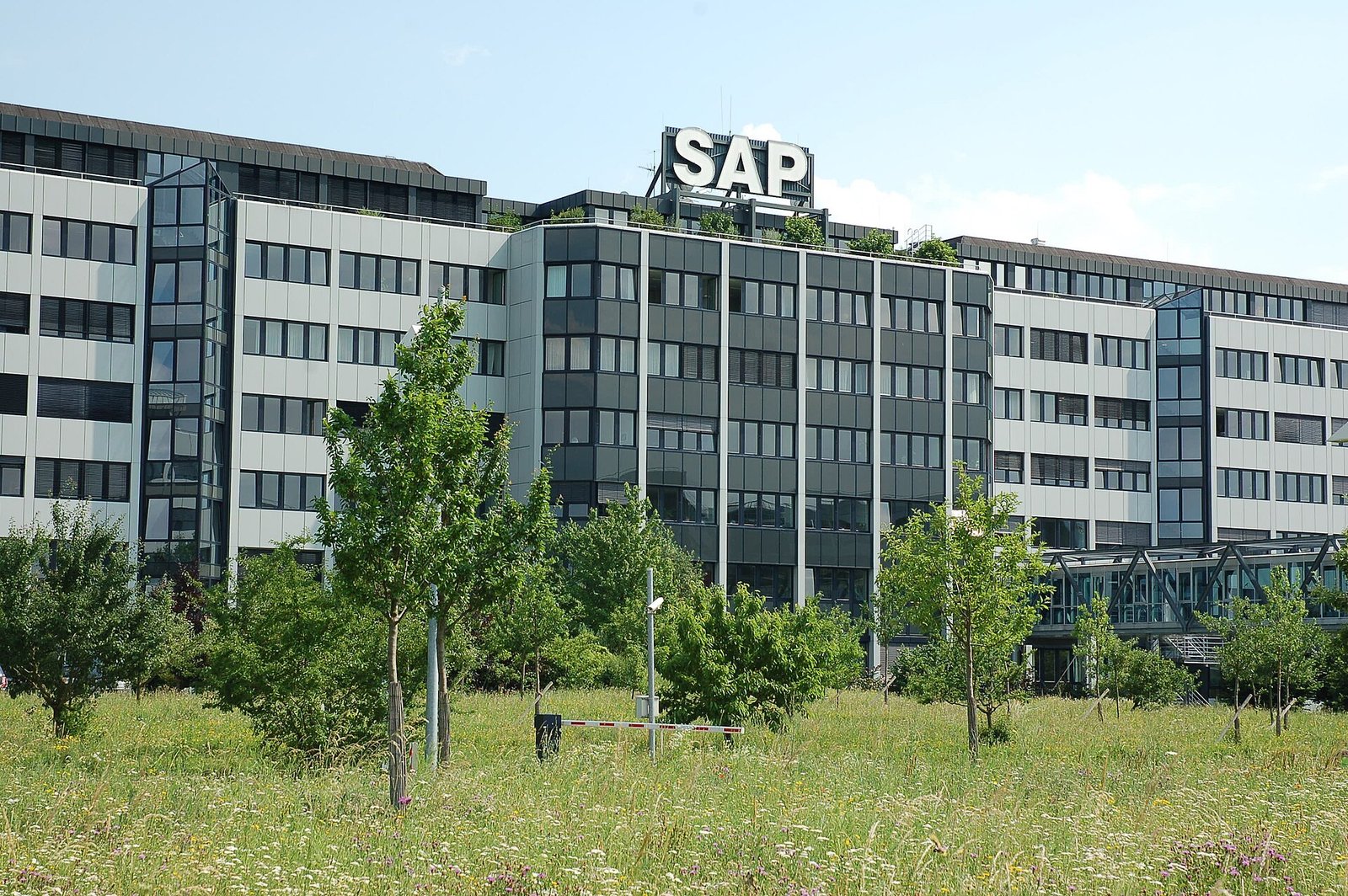
Photo: SAP AG headquarter Walldorf building 1 by Vladislav Bezrukov from Walldorf, Germany, CC BY 2.0