 By
The US Department of Labor has issued Opinion Letter FMLA2026-3, clarifying that after-hours work performed at home and travel between worksites count toward the 1,250 hours required for Family and Medical Leave Act eligibility, according to HRMorning. The opinion letter was issued November 17.
The ruling responds to questions from a school occupational therapist who is salaried and works a seven-hour scheduled day. She completes required paperwork and progress reports outside those hours, and her supervisors know about the extra work. Neither the therapist nor her employer records that time or the travel between schools.
What the DOL actually said
The DOL applied Fair Labor Standards Act hours-worked rules to the FMLA eligibility calculation. Under those rules, work that an employer knows or has reason to believe is being performed counts as hours worked, even when it happens at home. That means the therapist’s paperwork and progress report time must be included when determining whether she reached 1,250 hours in the 12 months before a leave request.
The DOL also said her travel between schools during the workday likely counts as hours worked. However, the agency said it did not have enough detail to decide that point definitively. The opinion is based only on the facts the therapist provided, so the travel conclusion is qualified rather than absolute.
Normal commuting between home and work does not count toward FMLA hours. That exclusion remains unchanged.
Why this matters for exempt employees
Many HR teams assume exempt employees do not need hour tracking. That assumption creates risk under this opinion letter. The DOL was explicit: when an employee’s hours-of-service eligibility is questioned, the agency looks to the employer’s hours records. If those records are inaccurate or do not establish whether the employee reached 1,250 hours, the employer must prove the employee fell short.
That burden applies to exempt employees even when their hours do not have to be recorded for wage and hour purposes. An employer that cannot produce credible records for a salaried employee who regularly works beyond a scheduled day may struggle to defend an FMLA eligibility denial.
The practical implication is that employers should consider some form of hours documentation for exempt staff who request FMLA leave, particularly when the employee’s schedule suggests they are near the 1,250-hour threshold. A seven-hour scheduled day over 12 months produces roughly 1,820 hours if no leave is taken, but intermittent absences, part-year schedules, or recent hires can push an employee closer to the line.

What HR and payroll teams should do now
The opinion letter does not create a new compliance deadline or require immediate policy changes. It clarifies how the DOL interprets existing rules. But it does create a documentation exposure that payroll and HR teams should address before a leave request arrives.
First, review how hours are tracked for employees who work outside scheduled hours. If an employee completes required tasks at home and a supervisor knows about it, that time is hours worked under the FLSA standard the DOL applied here. Employers should decide whether to record that time or change expectations about after-hours work.
Second, examine travel practices for employees who move between worksites during the day. Travel between job sites is not ordinary commuting and may count toward FMLA hours. Employers with field staff, peripatetic clinicians, or multi-site workers should assess whether current records capture that time.
Third, prepare for the burden-shifting the DOL described. If an employer denies FMLA leave based on insufficient hours, the employer must prove the shortfall. Records that show only scheduled hours, not actual hours, may not be enough.
| Scenario | Counts toward FMLA hours? |
|---|---|
| Scheduled work at the employer’s location | Yes |
| Required paperwork completed at home with employer knowledge | Yes, per FMLA2026-3 |
| Travel between worksites during the workday | Likely yes, subject to facts |
| Normal commute from home to first worksite | No |
Limits of the opinion letter
Opinion letters apply to the specific facts presented by the requester. The DOL did not rule on every after-hours work arrangement. It did not address whether the therapist’s travel time definitively counted, because the facts were incomplete. Employers with different circumstances should not assume the same outcome.
State family and medical leave laws may have different eligibility thresholds or counting rules. Employers in states with their own leave statutes should confirm how those laws treat after-hours work and travel time. The opinion letter addresses federal FMLA eligibility only.
The source does not state any further DOL action or compliance deadline. Employers seeking more detail should review the full text of Opinion Letter FMLA2026-3.
Sources: HRMorning
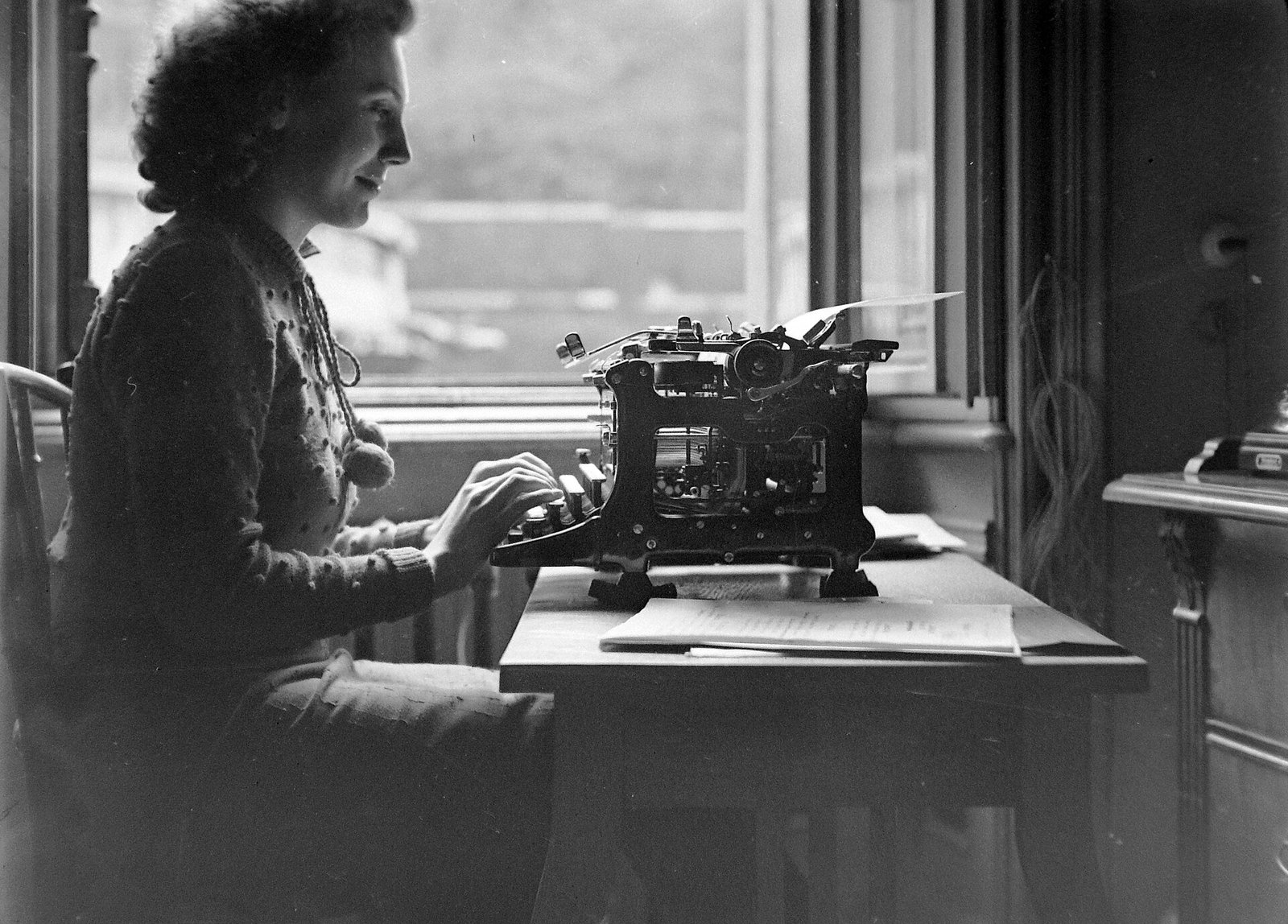
Photo: Typewriter, portrait, office, workplace, interior, desk, lady Fortepan 5050 by FOTO:Fortepan — ID 5050: Adományozó/Donor: Kurutz Márton. ar, CC BY-SA 3.0