


 By
Singapore’s labour force participation rate (LFPR) dipped to 67.8% in 2026, marking the fifth consecutive year of decline, according to Ministry of Manpower (MOM) data published Friday (Nov 27), as reported by AsiaOne. The rate stood at 67.9% in 2025 and 68.2% in 2024.
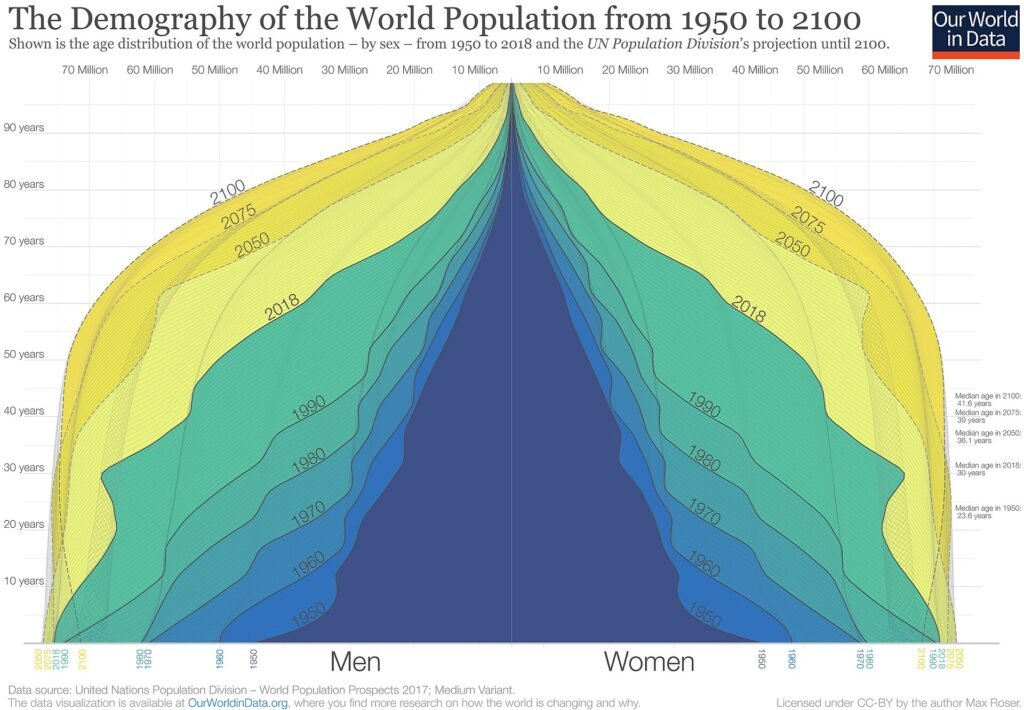
MOM attributed the lower participation rate to the ageing population rather than weaker economic conditions, noting Singapore officially became a “super-aged” society. Ang Boon Heng, director of the manpower research and statistics department, said: “Population ageing is likely to continue to have a dampening effect on our labour force participation rate.”
What is driving the participation decline
The headline LFPR fall is not spread evenly across the workforce. Across most age groups, participation remained broadly stable or improved compared to a decade ago. The exception was residents aged 15 to 24, where participation fell as more youths pursued further studies and entered the labour force later.
The number of residents outside the labour force rose to 1.18 million in 2026. This group includes retirees, students and those not actively seeking work. For HR teams, the composition matters: the growth is concentrated at the older end of the age spectrum, where workers are exiting permanently, and at the younger end, where entry is delayed.
Ang Boon Heng also said: “Our labour force participation rate, when compared with other economies, remains high, and this is testament of the various measures that we have been putting in place to encourage employers to hire, and to encourage people to stay employed. We will continue to do more of this.”
Unemployment signals for hiring teams
Resident unemployment rates remained low overall, but the detail reveals a split. From 2025 to 2026, the PMET unemployment rate was broadly stable at 2.7%. The non-PMET rate rose from 2.8% to 3.5%, returning to levels seen in 2023 and 2024.
The long-term unemployment (LTU) rate for non-PMETs increased slightly from 0.5% to 0.7%, driven by residents aged above 50. MOM said: “This may partly reflect a general increase in retrenchments among residents in their 50s, and the continued challenges they faced in re-entering employment.”
For employers, this points to a two-speed labour market. Professional and managerial roles remain tight, while older non-PMET workers face longer spells out of work after retrenchment. Hiring teams reviewing candidates over 50 in non-PMET roles should expect longer employment gaps and may need to assess skills rather than recent job history.
Job switching falls as stability takes priority
Fewer residents changed jobs in 2026. The job switching rate fell to 5.7%, from 6.2% in 2025. The decline was most pronounced among residents aged below 30, with job stability cited as the most common reason.
Job switching remained lowest among workers aged 50 and over. About half of older job stayers had been in their current jobs for at least a decade.
The income data offers a useful counterpoint for retention conversations. Among full-time resident employees aged 25 to 59, 66.5% of those who changed jobs in the past year saw real income gains from 2025 to 2026, compared with 61.4% of those who did not change jobs. Over the five-year period from 2021 to 2026, 70.2% of full-time workers who switched jobs received a higher income, compared with 63.2% among workers who remained at their jobs.
Of total job switches over the past year, 94.4% were voluntary rather than due to retrenchments. Workers who switched jobs involuntarily were less likely to see real income gains: 65.7% of workers who switched involuntarily in 2023 had real incomes above their pre-job change levels, compared with 76.9% among voluntary job switchers.
Employment structure and pay benchmarks
Across the workforce, 88.2% are employees and 11.8% are self-employed. A record high of 91% of employees hold permanent jobs, up slightly from 90.8% in 2025. The proportion of employees on fixed-term contracts remained stable at 7.1%, while casual or on-call employment declined further to 2%.
For the first time, the median gross monthly income of full-time employed residents crossed $6,000 in 2026. The nominal median gross monthly income increased by 4.3%.
| Indicator | 2024 | 2025 | 2026 |
|---|---|---|---|
| Labour force participation rate | 68.2% | 67.9% | 67.8% |
| PMET unemployment rate | Not stated | Not stated | 2.7% |
| Non-PMET unemployment rate | Not stated | 2.8% | 3.5% |
| Job switching rate | Not stated | 6.2% | 5.7% |
What this means for HR and payroll teams
The structural shift toward an older workforce changes the calculus for workforce planning. Employers cannot rely on a growing pool of younger entrants to replace departing workers. Retention of workers past traditional retirement ages, rehiring retirees on flexible terms, and redesigning roles to suit older employees are becoming operational necessities rather than diversity initiatives.
Payroll teams should note the median income milestone of $6,000 for full-time employed residents. This figure is a benchmark for salary reviews, CPF contribution planning and market positioning. The 4.3% nominal increase provides a reference point for annual adjustments, though individual sectors will vary.
The rise in non-PMET unemployment to 3.5% and the increase in long-term unemployment among workers over 50 suggest that retrenchment exercises in non-professional roles carry longer re-employment tails. HR teams managing redundancies should factor in extended outplacement support for older non-PMET employees.
MOM said it will continue measures to encourage employers to hire and to encourage people to stay employed. Population ageing is likely to continue dampening the labour force participation rate.
Sources: AsiaOne
Photo: USS Pinckney departs Singapore after ship repair and maintenance exercise (95168 by U.S. Navy photo by Lt.j.g. Camillia Nguyen, Public domain