 By
The Fair Work Commission has suspended protected industrial action on the Australian Rail Track Corporation’s NSW network for three months, according to Mirage News. The decision, handed down on 26 November 2026, follows an application by ARTC under section 424 of the Fair Work Act.
The suspension means freight services on ARTC’s NSW network are expected to operate as normal, averting significant disruption to supply chains during the grain harvest and peak Christmas freight period. Around 430 train movements occur each day across the network. Passenger services will progressively resume from Friday 27 November, with Sydney Trains services on the Southern Highlands and Hunter lines running that day, NSW TrainLink services restored over the weekend, and V/Line services resuming on Saturday 28 November.
What led to the suspension
ARTC has been meeting with the Rail, Tram and Bus Union and the Australian Services Union since May as part of bargaining for a new NSW Enterprise Agreement. Late last week, each union issued ARTC with notices of protected industrial action. The matter was heard by the Commission on 26 November, and a decision was handed down to suspend the notified action for three months.
Section 424 of the Fair Work Act allows the Commission to suspend or terminate protected industrial action where it threatens to endanger the life, personal safety or health of part of the population, or cause significant damage to the Australian economy. The suspension does not resolve the underlying bargaining dispute. It pauses the industrial action while negotiations continue.
What this means for HR and payroll teams
For employers with workforces dependent on rail freight or passenger services, the immediate operational risk has eased. Rostering and payroll teams that had been preparing for disrupted shifts, altered travel arrangements or supply delays can now plan for normal operations through the Christmas period and into early 2027.
The three-month suspension period runs until late February 2027. That means the protected industrial action could resume after that date if no agreement is reached. HR teams should treat the suspension as a window for contingency planning rather than a final resolution. Payroll teams should also note that any employees who were stood down or had hours reduced due to anticipated industrial action may now have those arrangements reversed, with back pay or roster adjustments potentially required depending on the terms of the relevant enterprise agreement or employment contracts.
The bargaining context
The dispute sits within the broader framework of enterprise bargaining under the Fair Work Act. Protected industrial action is a lawful tool available to employees and their bargaining representatives during negotiations for a new enterprise agreement, but it is subject to strict procedural requirements, including protected action ballots and notice periods.
The suspension under section 424 is a separate mechanism from the bargaining process itself. It does not compel either party to reach agreement, nor does it impose terms. ARTC has stated it will continue to work collaboratively with unions to negotiate a new NSW Enterprise Agreement and remains committed to reaching a sustainable agreement. Employers in other sectors should note that section 424 applications are relatively rare and require evidence of significant harm. The threshold is high, and the Commission weighs the impact on the public interest against the rights of employees to take protected action.
Practical steps for affected employers
Employers with staff who rely on ARTC network services should confirm service status directly with their operator, as ARTC has advised customers to do. While freight services are expected to operate as normal, passenger services are being restored progressively, and individual routes may return on different timelines.
For HR teams, the key dates are:
| Date | Event |
|---|---|
| 26 November 2026 | Fair Work Commission hears ARTC’s section 424 application |
| 27 November 2026 | Sydney Trains Southern Highlands and Hunter lines resume |
| 28 November 2026 | V/Line services resume |
| Late February 2027 | Three-month suspension period ends |
The suspension period is a useful time for HR and payroll leaders to review their own contingency arrangements for future industrial action. That includes confirming how stand-down provisions apply, how pay is calculated for partial hours or altered shifts, and how leave accruals are treated during any period of reduced work. These matters are governed by the Fair Work Act, applicable awards and the specific enterprise agreement in place, so advice should be confirmed for each workplace.
The Fair Work Commission’s decision keeps the NSW rail network moving through the busiest freight period of the year. But the underlying bargaining dispute remains unresolved, and the possibility of renewed protected action after the suspension period should remain on the radar for any business connected to the network.
Sources: Mirage News, The Australian
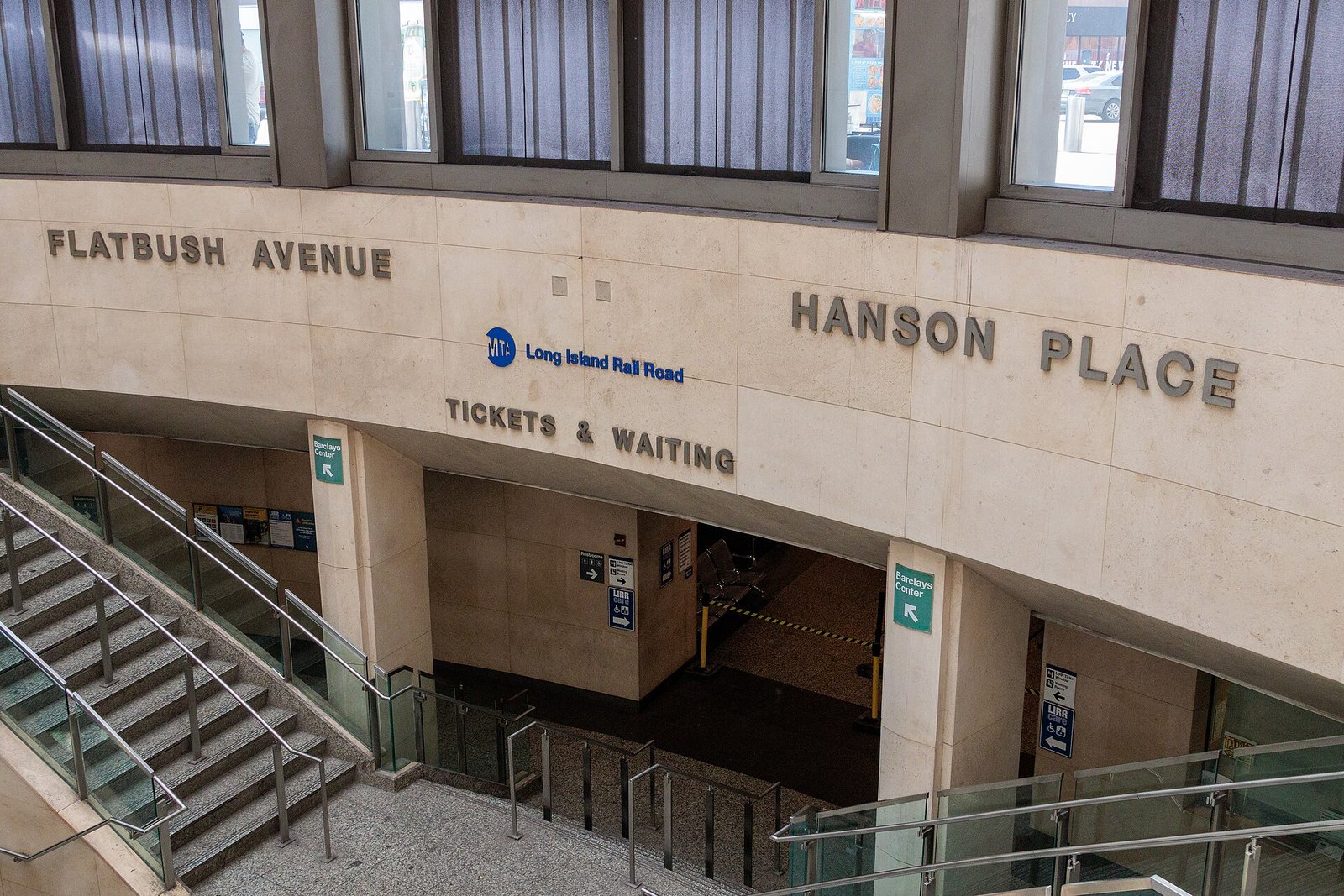
Photo: 2026 Long Island Rail Road Strike-1 by ZhaoFJx, CC BY 4.0