
 By
The Malaysian Employers Federation has called on employers to demonstrate genuine workforce requirements and make reasonable efforts to recruit Malaysian workers before seeking approval to employ eligible refugees. The statement, reported by ETHRWorldSEA on 26 November 2026, follows Prime Minister Datuk Seri Anwar Ibrahim’s announcement that refugees with specialised skills not readily available domestically may be considered for employment on a case-by-case basis.
MEF welcomed the Prime Minister’s position but said Malaysian workers should receive priority for employment opportunities across industries and occupations. Datuk Dr Syed Hussain Syed Husman, MEF’s senior adviser for government, media and international engagement, said “alternative sources of labour should be considered only when employers cannot fill genuine vacancies through local recruitment.”
What MEF wants from a refugee employment framework
MEF’s statement sets out three circumstances where refugee recruitment could be considered: shortages of qualified local candidates, limited willingness among domestic workers to take particular roles, and difficulties sourcing specialised expertise. The federation also acknowledged the continued importance of international expertise in supporting Malaysia’s economic and business development.
The employer body is advocating a structured regulatory framework with defined eligibility criteria and authorisation procedures. MEF said employment arrangements should reflect Malaysia’s labour market priorities, economic interests and security considerations. A regulated approach, it argued, could help address undocumented employment, worker exploitation and irregular recruitment practices.
The UNHCR documentation question
A significant part of MEF’s position concerns documentation. The federation said refugee registration, identification, screening and employment authorisation should remain under government oversight through a centralised and accountable system. It added that documentation issued by the United Nations High Commissioner for Refugees should not independently serve as a substitute for government registration or employment authorisation.
This matters for HR teams because it signals that any future refugee hiring pathway is likely to require government-issued authorisation rather than recognition of UNHCR cards alone. Employers should not assume that a candidate holding UNHCR documentation has automatic work rights in Malaysia. Until a formal framework exists, the legal position on refugee employment remains unchanged.
What this means for HR and payroll teams
For hiring managers, the immediate practical implication is documentation. If a refugee hiring pathway is formalised, employers may need to show evidence of local recruitment efforts before approval is granted. That could include job advertisements, records of applications from Malaysian candidates, interview outcomes and reasons for rejection.
Payroll teams should note that any future refugee employment authorisation would need to be verified before adding a worker to payroll. The MEF’s call for centralised government oversight suggests that authorisation documents, not UNHCR cards, would be the relevant check. Payroll should treat this as a compliance item rather than a routine right-to-work verification until the government issues specific guidance.
How employers can prepare now
The article from ETHRWorldSEA does not state a specific implementation date or next step. MEF’s recommendations place greater emphasis on HR teams assessing domestic talent availability and establishing clear business justifications for recruitment beyond the local workforce. Employers seeking specialised expertise may need to demonstrate that vacancies cannot reasonably be filled through domestic recruitment or workforce development initiatives.
Practical steps that align with MEF’s stated position include documenting local recruitment attempts for hard-to-fill roles, maintaining records of skills shortages within the organisation, and reviewing current workforce planning to identify where genuine gaps exist. These records would support any future application to hire a refugee under a case-by-case approval process.
| Consideration | Current position | What may change |
|---|---|---|
| Local recruitment evidence | Not formally required for most roles | May be required before refugee hiring approval |
| UNHCR documentation | Not a work authorisation | Expected to remain insufficient on its own |
| Government oversight | Limited for refugee employment | Centralised registration and screening proposed |
| Employer justification | Informal or internal | May need to be demonstrated to authorities |
The MEF statement does not change existing law. Employers should continue to follow current immigration and employment rules and confirm any new requirements with the relevant Malaysian authorities before acting.
Sources: ET HRSEA
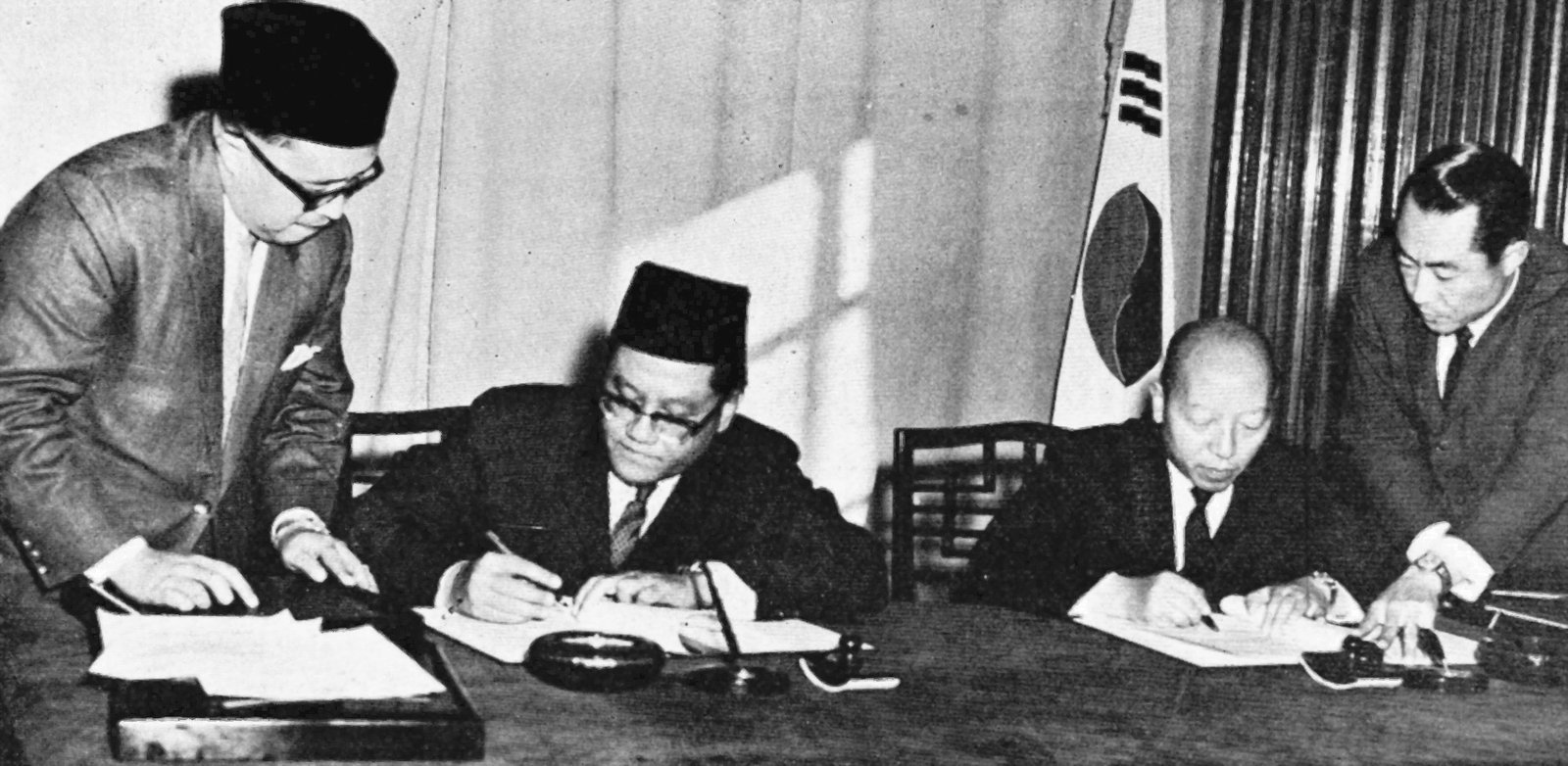
Photo: TradeAgreement Malaysia-SthKorea 1962-11-05 by Republic of Korea, Public domain