 By
Investors and labour rights advocates have called on Nike to pay more than 4,000 garment workers in Cambodia and Thailand a combined $2.2 million in unpaid wages and benefits, according to the Business & Human Rights Resource Centre. The workers were employed at the Violet Apparel factory in Cambodia and the Hong Seng Knitting factory in Thailand, both of which closed during the COVID-19 pandemic without settling terminal pay.
The demand, made in September 2023, seeks $1.4 million in terminal wages for 1,284 former Violet Apparel workers and $800,000 to correct underpayments affecting more than 3,000 workers at Hong Seng Knitting. Nike has disputed the claims, stating it has “no evidence of having sourced from Violet Apparel after 2006”, though its own supply chain disclosures from 2007 and 2008 list the factory as a licensed supplier.
The two factories and what workers allege
Violet Apparel closed suddenly in July 2020, giving workers less than 24 hours’ notice of dismissal. Cambodia’s Arbitration Council declined to rule on the workers’ compensation claim in November 2020, citing a “lack of jurisdiction”. Worker Rights Consortium has described that decision as “legally invalid”, while Human Rights Watch has labelled the arbitration council “politically compromised”.
At Hong Seng Knitting in Thailand, workers say they were forced to sign forms falsely stating they wished to take “voluntary” unpaid leave, with intimidation and threats reportedly made through the factory’s Facebook page. Nike’s investigation, conducted with third-party assessor Elevate, concluded the non-payment was lawful because workers had chosen not to be paid. Worker Rights Consortium rejects that finding, and investors have accused Elevate of failing due diligence by not publishing its report or explaining how the factory acted lawfully.
Why Thai HR and payroll teams should pay attention
For employers in Thailand, the Hong Seng Knitting case raises questions about what counts as voluntary leave and who bears responsibility when a supplier fails. Thai labour law requires employers to pay wages for work performed and to follow specific procedures for termination and severance. When a factory closes, workers are generally entitled to statutory severance based on length of service, plus payment in lieu of notice if notice periods are not honoured.
The dispute here is not about whether Thai law requires payment. It is about whether workers genuinely agreed to unpaid leave or were coerced into signing away their rights. Thai HR teams should treat any mass signing of voluntary leave forms during a shutdown as a red flag. Proper documentation, witness statements and independent verification matter. Where a foreign brand’s supplier is involved, the brand’s code of conduct and purchasing terms may create additional obligations beyond local statute.

Supply chain liability and the access to remedy argument
The investors’ demand rests on the UN Guiding Principles on Business and Human Rights and the OECD Guidelines for Multinational Enterprises. Both frameworks expect companies linked to adverse human rights impacts to support access to remedy, even where the company is not the direct employer. The investors’ statement, quoted by the Business & Human Rights Resource Centre, says: “We believe access to remedy in this case requires that workers are compensated for lost pay and that the workers are satisfied with the process of compensation.”
Nike’s position is that Ramatex Group, the owner of Violet Apparel, “addressed the situation independently and engaged in an arbitration process which resulted in a binding decision, which they have acted upon.” The company also says it has no evidence of sourcing from Violet Apparel after 2006, a claim contradicted by its own published disclosures and by Worker Rights Consortium testimony from factory workers who say they manufactured Nike clothing until 2020.
What the amounts mean in practice
The table below breaks down the two claims as set out in the investor demand.
| Factory | Country | Workers affected | Amount claimed | Nature of claim |
|---|---|---|---|---|
| Violet Apparel | Cambodia | 1,284 | $1.4 million | Terminal wages after sudden closure |
| Hong Seng Knitting | Thailand | More than 3,000 | $800,000 | Underpayments and withheld wages |
| Combined | Two countries | More than 4,000 | $2.2 million | Unpaid wages and benefits |
For the Cambodian workers, the average claim is roughly $1,090 per worker. For the Thai workers, the average is around $260 per worker. These figures reflect different legal entitlements, wage levels and periods of non-payment in each country.
What happens next
The Business & Human Rights Resource Centre invited Elevate to respond in April 2024. No final resolution has been reported. For HR and payroll professionals in Thailand, the case is a reminder that supply chain wage disputes can surface years after a factory closes, and that documentation from the shutdown period may become central evidence. Employers should retain payroll records, signed leave forms and termination notices for the full period required by Thai law, and should be prepared to show that any waiver of wages was genuinely voluntary.
Sources: Business & Human Rights Resource Centre
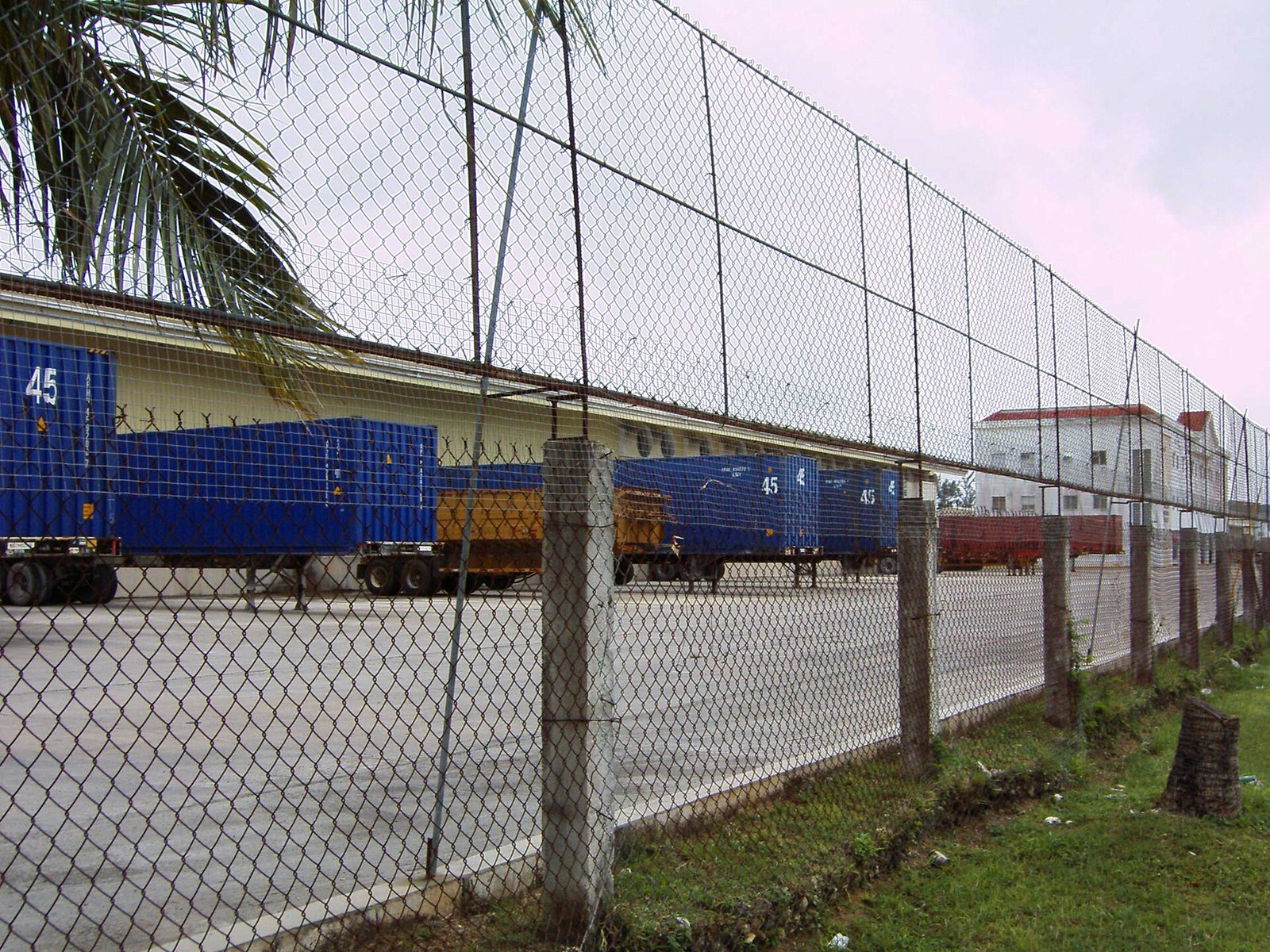
Photo: Saipan Garment Factory 1 by Stephen Ewen, CC BY-SA 3.0