 By
Workers in the UAE who are dismissed for filing a complaint against their employer may be entitled to compensation of up to three months’ salary, according to Emirates 24/7. The report, published on 23 October 2026, explains when such dismissal is unlawful, how compensation is calculated, and why a worker may still be entitled to gratuity and notice pay even after termination.
The article cites Article 47 of the UAE Labour Law, Federal Decree-Law No. 33 of 2021, which covers situations where a worker may have been fired because of a labour complaint he or she filed. The report does not include direct quotes from officials or legal experts, and it does not state what happens next for affected workers.
What Article 47 actually says
Article 47 of Federal Decree-Law No. 33 of 2021 is the current legal basis for arbitrary dismissal claims in the UAE. Older sources sometimes cite Article 123 of Federal Law No. 8 of 1980, the previous labour law, but that provision has been superseded. The new law renumbered the arbitrary dismissal provisions, and Article 47 is now the relevant reference point.
The law treats dismissal as arbitrary when it is not connected to the worker’s performance or conduct, or when it results from the worker filing a serious complaint with the Ministry of Human Resources and Emiratisation (MOHRE) or another competent authority. This is the victimisation angle that most commentary misses: firing someone for complaining is not just poor practice, it is a distinct category of unlawful termination.
The compensation is discretionary, not automatic. Courts assess the length of service, the manner of dismissal, and the harm suffered by the worker. The three-month figure is a ceiling, not a fixed award. A worker with two years of service may receive less than a worker with ten years, even if both prove retaliation.
How the claim interacts with other payments
A common misunderstanding is that unfair dismissal compensation replaces end-of-service benefits. It does not. Under Federal Decree-Law No. 33 of 2021, a worker dismissed for filing a complaint may still be entitled to:
- End-of-service gratuity, calculated at 21 days’ basic salary per year for the first five years and 30 days per year thereafter, capped at two years’ salary
- Notice pay, with a minimum notice period of 30 days
- Payment of all dues within 14 days of termination
- An employment experience certificate
The three months’ salary compensation under Article 47 is a separate head of claim. It sits on top of gratuity and notice pay, not instead of them. This matters for payroll teams calculating final settlements and for workers deciding whether to accept a separation offer.
One point the sources do not clarify is whether “salary” for compensation purposes means basic salary or total remuneration including allowances. Under the gratuity rules, basic salary excludes housing and transport allowances. Whether the same definition applies to Article 47 compensation is unclear from the available research and should be confirmed with a UAE employment lawyer.
The MOHRE process and deadlines
A worker who believes they were fired for filing a complaint should start with MOHRE. The process begins by calling 80060 or filing a complaint through MOHRE’s online channels. MOHRE examines the complaint and attempts mediation between the employer and employee first. If mediation fails, the case is referred to the competent court.
The research does not state a specific limitation period for filing an unfair dismissal claim under the current law. Workers should not delay: the longer the gap between dismissal and filing, the harder it is to establish the causal link between the complaint and the termination.
Evidence is critical. Workers should preserve:
- A copy of the original complaint filed with MOHRE or internally
- Emails or messages showing the employer’s awareness of the complaint
- The termination letter and any stated reasons
- Witness statements from colleagues
- Pay records showing salary and allowances
The burden of proof is a practical challenge. The worker must show that the dismissal followed the complaint and that the stated reason for termination is pretextual. Timing matters: a dismissal two weeks after a MOHRE complaint is more suspicious than one eight months later.
What this means for HR and payroll teams
For HR managers in the UAE, the rule creates a clear compliance obligation. Before approving any termination, HR should check whether the employee has filed a complaint with MOHRE, raised an internal grievance, or reported the employer to any regulator. If so, the termination decision needs independent review.
Payroll teams should model the potential exposure. A worker earning AED 20,000 per month who is dismissed for filing a complaint could claim up to AED 60,000 in Article 47 compensation, plus gratuity, notice pay, and unused leave. The total settlement could exceed six months’ salary.
Free zones add complexity. The research notes that DIFC and ADGM have their own employment laws, and the UAE Labour Law does not apply there. Employers in those jurisdictions should check their own rules on victimisation and unfair dismissal.
Forced resignation after a complaint is treated as arbitrary dismissal under UAE practice. If an employer makes working conditions intolerable after a worker complains, the worker may resign and still claim compensation. HR teams should train managers to avoid any conduct that could be read as retaliation.
The practical takeaway is straightforward: firing someone for filing a complaint is expensive, and the three-month compensation ceiling is only one part of the total liability.
Sources: Emirates 24/7
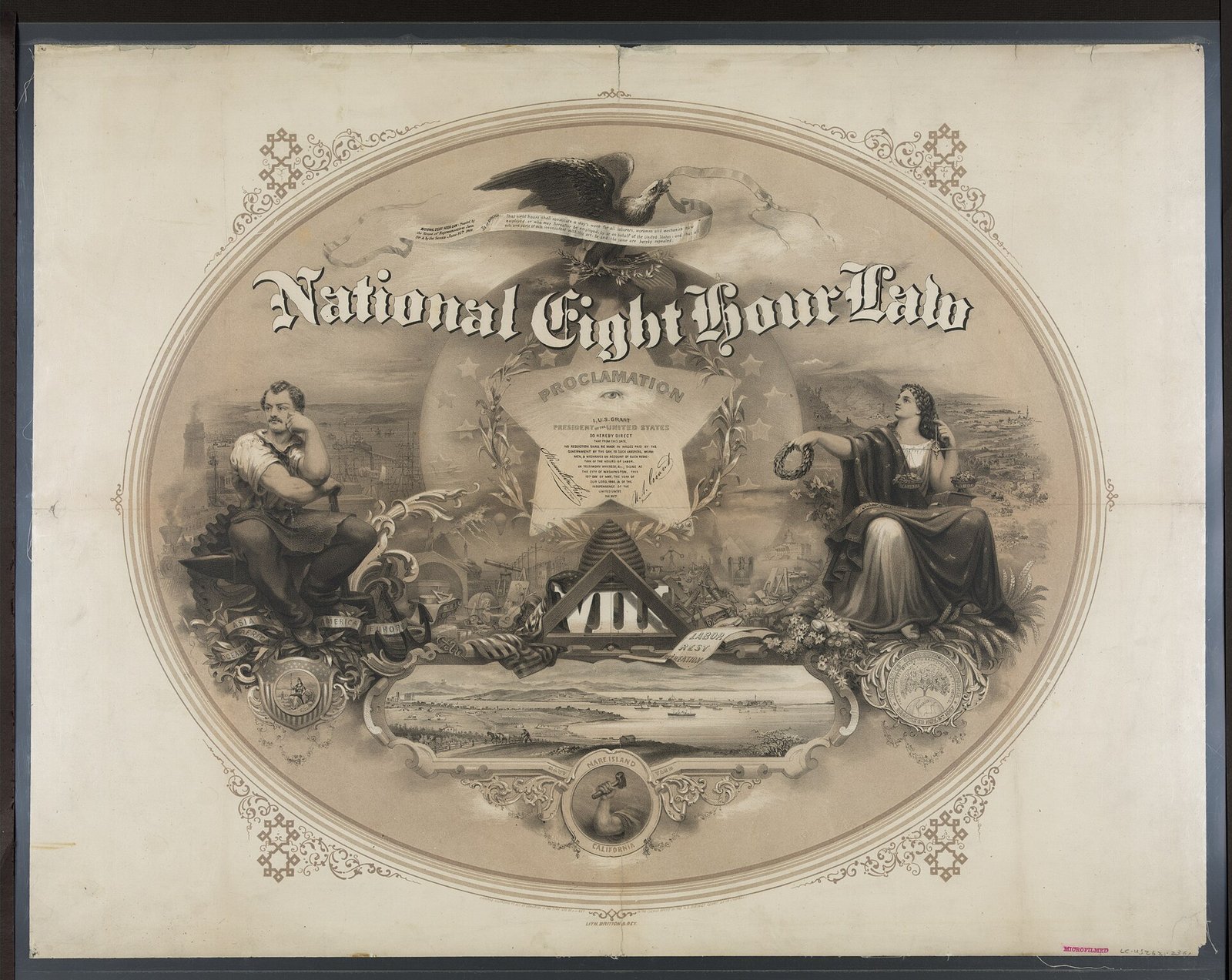
Photo: National eight hour law LCCN2003681550 by Popular Graphic Arts, Public domain