 By
The Philippines Department of Labor and Employment has issued guidelines for documenting, reporting, and compensating heat-related workplace illnesses during El Niño and other periods of extreme heat, according to SunStar. DOLE Secretary Francis Tolentino signed Labor Advisory 19, Series of 2026, on Oct. 23.
The advisory responds to health and safety risks from El Niño and follows a directive from President Ferdinand Marcos Jr. to protect Filipino workers amid climate-related challenges. It covers indoor and outdoor workers covered by the Employees’ Compensation Program through the Social Security System and the Government Service Insurance System who are exposed or may reasonably be expected to be exposed to excessive heat at work. “Through the guidelines, Dole seeks to strengthen awareness of occupational heat-related risks and help ensure that affected workers receive appropriate assistance in documenting and pursuing possible compensation claims during El Niño and other periods of extreme heat,” DOLE said.
What the advisory actually covers
Heat stroke, heat cramps, and heat exhaustion remain compensable under existing Employees’ Compensation Program rules. The new advisory adds clarity on other conditions that may qualify: heat syncope, which involves fainting and dizziness; heat rash, known locally as bungang araw; rhabdomyolysis, a form of muscle damage; neurological disorders affecting normal nervous system function; and dehydration leading to kidney injury.
The advisory does not create a new compensation fund or a separate benefit category. It clarifies how existing ECP rules apply to heat-related illness and what evidence can support a claim. To determine whether an illness is work-related, authorities may consider the nature of the worker’s job, workplace conditions, duration and intensity of heat exposure, protective clothing and equipment, preventive measures, and other relevant circumstances. Pagasa’s heat index classifications may be used as supporting evidence of workplace heat conditions.
How claims work in practice
The Employees’ Compensation Program operates through two systems: the Social Security System for private sector workers and the Government Service Insurance System for public sector employees. The Employees’ Compensation Commission oversees the program and, through its Regional Extension Units, will provide technical assistance in implementing the new guidelines. DOLE regional offices and attached agencies will do the same.
Workers who fall ill from heat need documentation. The advisory lists records that may support a claim: occupational safety and health documents, workplace temperature measurements, work schedules, physical workload and work-rest arrangements, preventive measures, and witness statements. Employers must keep records of work-related heat illnesses and help affected workers or beneficiaries file compensation claims. They must also follow existing reporting rules, including submitting a Work Accident/Illness Report when required.
The advisory does not specify new deadlines, compensation amounts, or filing forms. Those details sit in existing ECP rules, which vary between SSS and GSIS. HR and payroll teams should confirm the current forms and processing timelines with their respective system rather than assume the advisory changed them.
What employers should do now
The practical burden falls on employers to document heat conditions before a claim arises. Workplace temperature measurements, work schedules, and records of preventive measures such as water provision, shaded rest areas, or adjusted work hours all become evidence if a worker files a claim. Employers that cannot show what conditions were like on a given day may face a harder time contesting or supporting a claim.
The advisory encourages employers, workers, unions, safety and health committees, and occupational safety and health personnel to strengthen measures against heat-related illnesses, report incidents, and arrange medical referrals. This aligns with earlier DOLE guidance. The Occupational Safety and Health Center lists Labor Advisory No. 08, Series of 2023, titled “Safety and Health Measures to Prevent and Control Heat Stress at the Workplace,” and Labor Advisory No. 03, Series of 2016, on the same subject. The OSHC page does not clarify whether the 2023 advisory supersedes the 2016 one, but both remain listed.
For payroll teams, the key point is that heat illness claims flow through the ECP, not through ordinary sick leave or company health benefits. Payroll should treat a heat illness claim as a workers’ compensation matter and coordinate with the employer’s SSS or GSIS liaison.
Regional context and timing
In Cebu, the province is experiencing a strong to very strong El Niño, with drier conditions expected in the coming months. Pagasa Visayas earlier said Cebu may experience below-normal to way-below-normal rainfall from November 2026 to March 2027, while drought conditions may develop from January to March. Dry conditions could persist until June 2027, depending on how El Niño develops.
That timeline means employers in affected regions should expect heat-related claims to rise during the first half of 2027. The advisory’s emphasis on Pagasa heat index classifications as supporting evidence gives employers a reason to track those readings and record workplace conditions on high-heat days.
The advisory does not address whether it applies retroactively to workers who fell ill before Oct. 23, 2026. It also does not specify coverage for informal workers, agricultural workers, fisherfolk, or domestic workers beyond the ECP’s existing scope. Employers with questions about coverage for specific worker categories should confirm with the Employees’ Compensation Commission or their regional DOLE office.
Sources: SunStar
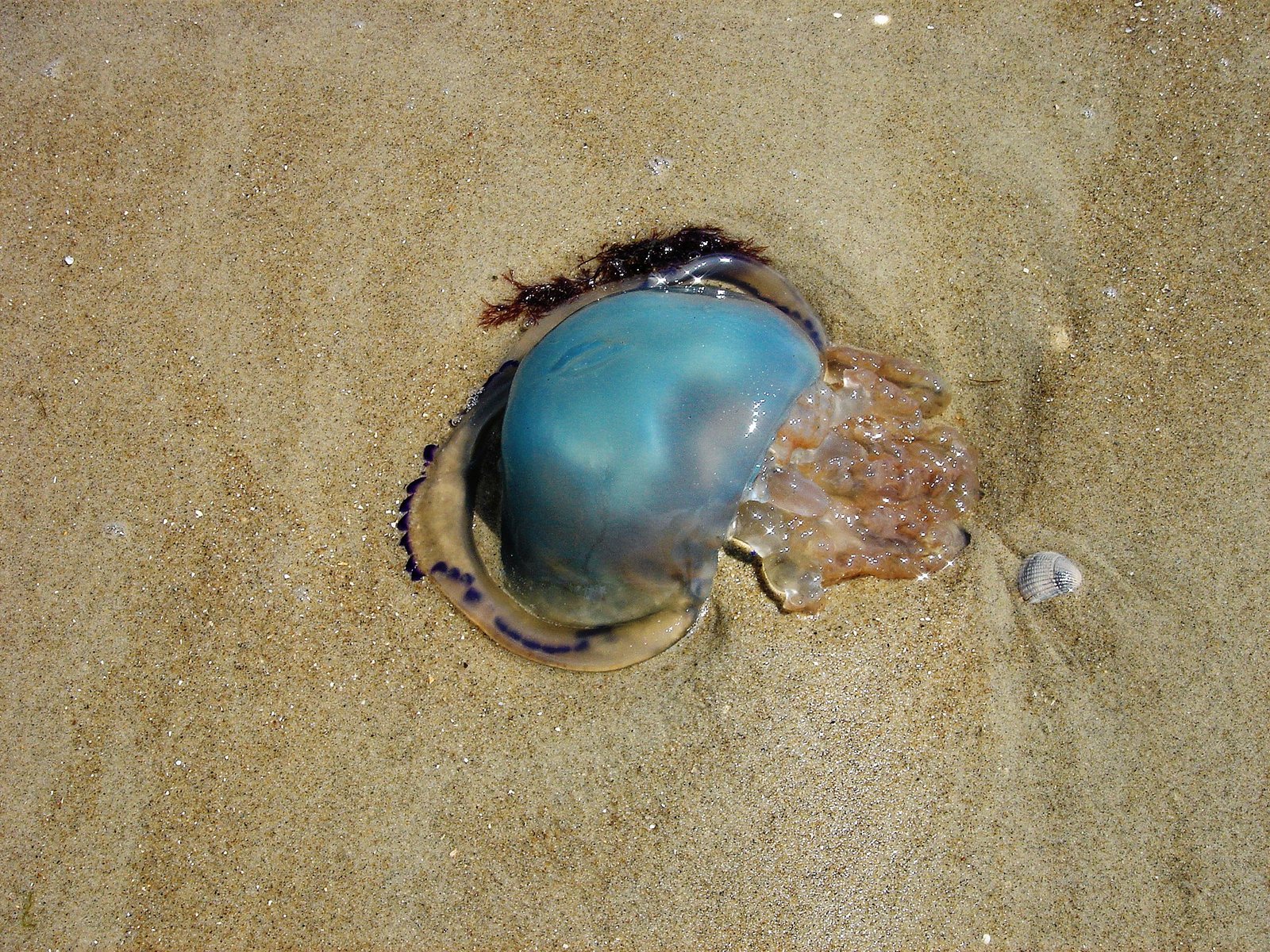
Photo: Texel - De Hors - One of the heat wave days of the Summer of 2008 - At the South by Txllxt TxllxT, CC BY-SA 4.0