 By
Jakson Group has announced plans to invest Rs 6,863 crore in an integrated solar manufacturing plant in Andhra Pradesh’s Kurnool district, a project expected to employ about 2,000 people. The State Investment Promotion Board (SIPB), led by Chief Minister N Chandrababu Naidu, recommended allotting 290 acres to Jakson Integrated Solar for the facility at Meedivemula village, according to ETHRWorld.
The plant will produce 10 GW of silicon ingots and wafers and 5 GW of solar cells across three phases. The first phase, with capacity for 3 GW of ingots and wafers and 3 GW of solar cells, is targeted to begin commercial production in May 2028. Remaining capacity is scheduled to come on stream by 2030. Nara Lokesh, the state’s HRD, IT and electronics minister, said Andhra Pradesh is “committed to building a world-class solar manufacturing ecosystem, backed by cutting-edge research, innovation and a highly skilled workforce.”
What the plant will actually make
The Kurnool facility is not a solar panel assembly line. It will manufacture silicon ingots and wafers, the upstream materials that feed into solar cell production, plus the cells themselves. That distinction matters for hiring because ingot and wafer manufacturing requires different skills from module assembly: crystal growth technicians, wafer slicing operators, chemical process engineers, and quality control staff with semiconductor or precision manufacturing backgrounds.
Jakson Group already operates a 1.2 GW module plant in Greater Noida, so the Andhra Pradesh site extends the company further upstream in the solar supply chain. The project sits within the Andhra Pradesh Integrated Clean Energy Policy, 2024, which targets 20 GW of solar manufacturing capacity. Approved projects excluding Jakson’s already account for 58.74 GW of cell and module capacity and 48 GW of ingot and wafer capacity, which suggests the state is positioning itself as a concentrated solar manufacturing corridor rather than a single-factory destination.
What the 2,000 jobs are likely to include
Neither Jakson Group nor the state government has published a role-by-role breakdown for the Kurnool plant. The 2,000 figure appears to cover direct employment at the facility, though the source article does not explicitly state whether contract or indirect roles are included. HR teams planning for similar greenfield manufacturing sites typically structure hiring in waves: site preparation and construction roles first, then equipment installation and commissioning engineers, then production operators and technicians, followed by support functions.
Based on the plant’s product mix, the workforce will probably span production operators for ingot, wafer and cell lines; maintenance and equipment technicians; process and quality engineers; EHS officers; supply chain and warehouse staff; and site HR, finance and administration roles. Apprenticeship intake is common at Indian manufacturing plants of this scale, often through ITI partnerships or state skill development programmes. Jakson Group’s careers page describes a learning approach that includes mentoring, action learning projects and functional programmes, but it does not yet list any Andhra Pradesh-specific openings.

Hiring timeline and how to apply
No Andhra Pradesh roles are currently advertised on Jakson Group’s careers portal or on major job boards. The company’s Indeed presence lists only four locations: Allahabad, Guwahati, Nandurbar and Noida. That is expected for a project whose first phase is still more than two years from commercial production, but it means candidates should not expect immediate vacancies.
The realistic hiring sequence starts with senior site leadership and project engineering roles, likely to appear 12 to 18 months before the May 2028 commissioning target. Bulk operator and technician recruitment would follow closer to production readiness, probably from late 2027 onward. Candidates should monitor careers.jakson.com for official postings and treat any social media or WhatsApp messages claiming immediate Kurnool vacancies as unverified. Jakson Group has not announced walk-in drives, application deadlines or salary bands for the Andhra Pradesh site.
What this means for HR and payroll teams in India
The Kurnool project illustrates a broader shift in Indian manufacturing employment: solar manufacturing is moving beyond module assembly into more technically demanding upstream processes. That changes the talent pool employers need. Ingot and wafer plants compete for candidates with experience in precision manufacturing, chemical handling and cleanroom operations, not just general factory labour.
For payroll and compliance teams, a greenfield site in Andhra Pradesh means registering under state-specific labour laws, including the state’s shops and establishments rules and any applicable factory licensing requirements. Employers setting up in Kurnool should confirm local minimum wage notifications, professional tax registration and state skill development obligations with their own advisors, as these vary by district and change over time. The state government’s emphasis on a “highly skilled workforce” suggests it may link incentives to training commitments, though the source article does not detail any such conditions.
| Phase | Capacity | Timeline |
|---|---|---|
| Phase 1 | 3 GW ingots and wafers, 3 GW solar cells | Commercial production targeted May 2028 |
| Remaining phases | Balance of 10 GW ingots and wafers, 5 GW solar cells | Scheduled by 2030 |
| Full project | 10 GW ingots and wafers, 5 GW solar cells | Three phases, 290 acres at Meedivemula |
The 2,000 jobs will materialise gradually across these phases, not all at once. HR leaders watching this project should treat it as a multi-year workforce build rather than a single recruitment event.
Sources: ETHRWorld
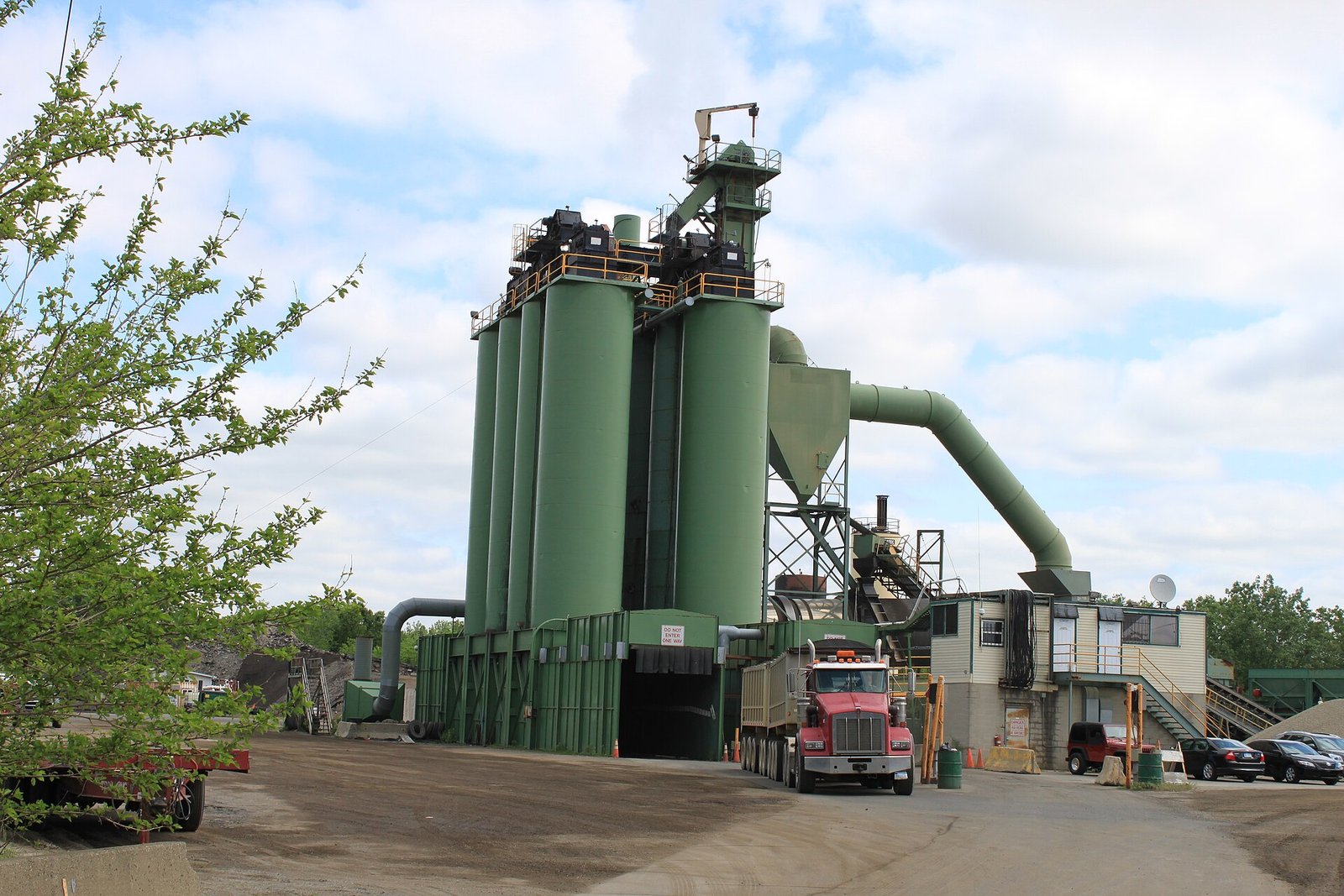
Photo: Cadillac Asphalt Manufacturing Plant Belleville Michigan by Dwight Burdette, CC BY 3.0