 By
The Philippines and Papua New Guinea are exploring a new labor cooperation agreement focused on expanding employment opportunities, skills development and support for workers in the maritime and fishing industries. Labor Secretary Francis Tolentino and Papua New Guinea Ambassador Stephen Pokanis met at Department of Labor and Employment headquarters in Manila on Thursday, 29 October, according to the Daily Tribune.
The proposed memorandum of agreement would replace a previous labor arrangement between the two countries that expired in 2024. Tolentino said the renewed partnership should prioritize workers in the fishing sector, including those in informal employment. “The fisherfolks, whether formal or informal, are part of the labor force of the country,” he said. No signing date has been announced.
What the agreement could cover
The Daily Tribune report points to several areas Tolentino wants the new pact to address: skills development, labor market information, and green jobs. He also framed upskilling and sector redevelopment as a path to closer bilateral relations.
For Philippine HR and payroll teams, the practical question is whether the agreement will produce a formal deployment corridor with standardized contract terms. The previous arrangement, which lapsed in 2024, offers no public text to compare against. DOLE has not published a draft, deployment targets, wage floors, or protection clauses. Employers and recruiters should treat the announcement as an early-stage policy signal rather than an operational framework.
Where DOLE’s maritime machinery fits
DOLE already operates a Maritime Labor Affairs Office, which consolidates legal assistance, dispute settlement, workers’ education and employment services for Filipino seafarers. The department also runs the Trabahong Dagat Program, which provides fisherfolk with practical work experience, skills training, job placement assistance and business support. The program targets seasonal employment challenges in fishing communities and aims to help workers build more sustainable income sources.
These existing structures suggest the PNG agreement would likely route through DOLE’s maritime office rather than create a new agency. For payroll and HR managers, that matters because DOLE’s maritime office already has processes for seafarer documentation, dispute handling and worker education. A PNG-specific agreement would add a bilateral layer on top of those domestic systems, not replace them.
The Papua New Guinea labor context
PNG’s fisheries sector, particularly tuna processing and vessel operations, relies on a mix of local and foreign crew. The country is a member of the Western and Central Pacific Fisheries Commission, which sets conservation and compliance measures for tuna fisheries across the Pacific. Filipino crew on PNG-flagged or PNG-based vessels could fall within WCPFC crewing and observer discussions, though the Daily Tribune report does not mention WCPFC alignment.
The Philippines has been diversifying deployment destinations beyond the Middle East, and Pacific island states represent a smaller but growing corridor. PNG’s labor market is different from Gulf Cooperation Council markets: smaller deployment volumes, different wage structures, and distinct regulatory oversight through PNG’s Department of Labour and Industrial Relations. HR teams should not assume that standard Middle East contract templates or payroll assumptions will transfer.
Practical steps for employers and workers
No recruitment rules, quotas or verification procedures have been published for the proposed agreement. Until DOLE and PNG authorities release the memorandum text, Filipino workers should verify any PNG job offer through existing channels: the Department of Migrant Workers for overseas employment contracts, the Philippine Overseas Labor Office with jurisdiction over PNG, and the Maritime Industry Authority for seafarer documentation.
Common risks in new labor corridors include illegal recruiters offering unverified positions, vessel abandonment, and unclear repatriation obligations. The absence of a signed agreement means no PNG job offer can currently claim coverage under the new pact. Employers considering PNG placements should monitor DOLE announcements and prepare for documentation requirements that may mirror existing maritime deployment rules.
| Area | Current status | What to watch |
|---|---|---|
| Agreement text | Not published | DOLE or DMW release |
| Signing date | Not announced | Bilateral diplomatic calendar |
| Deployment rules | No quotas or wage floors stated | First implementing guidelines |
| Worker verification | Existing DMW and MARINA channels | PNG-specific job order process |
| Sector scope | Maritime and fishing, including informal workers | Formal definition of covered roles |
The announcement signals intent, not implementation. HR and payroll leaders in the Philippines should track the next DOLE update for the agreement’s formal title, signatories, and any transition rules from the expired 2024 arrangement.
Sources: Daily Tribune
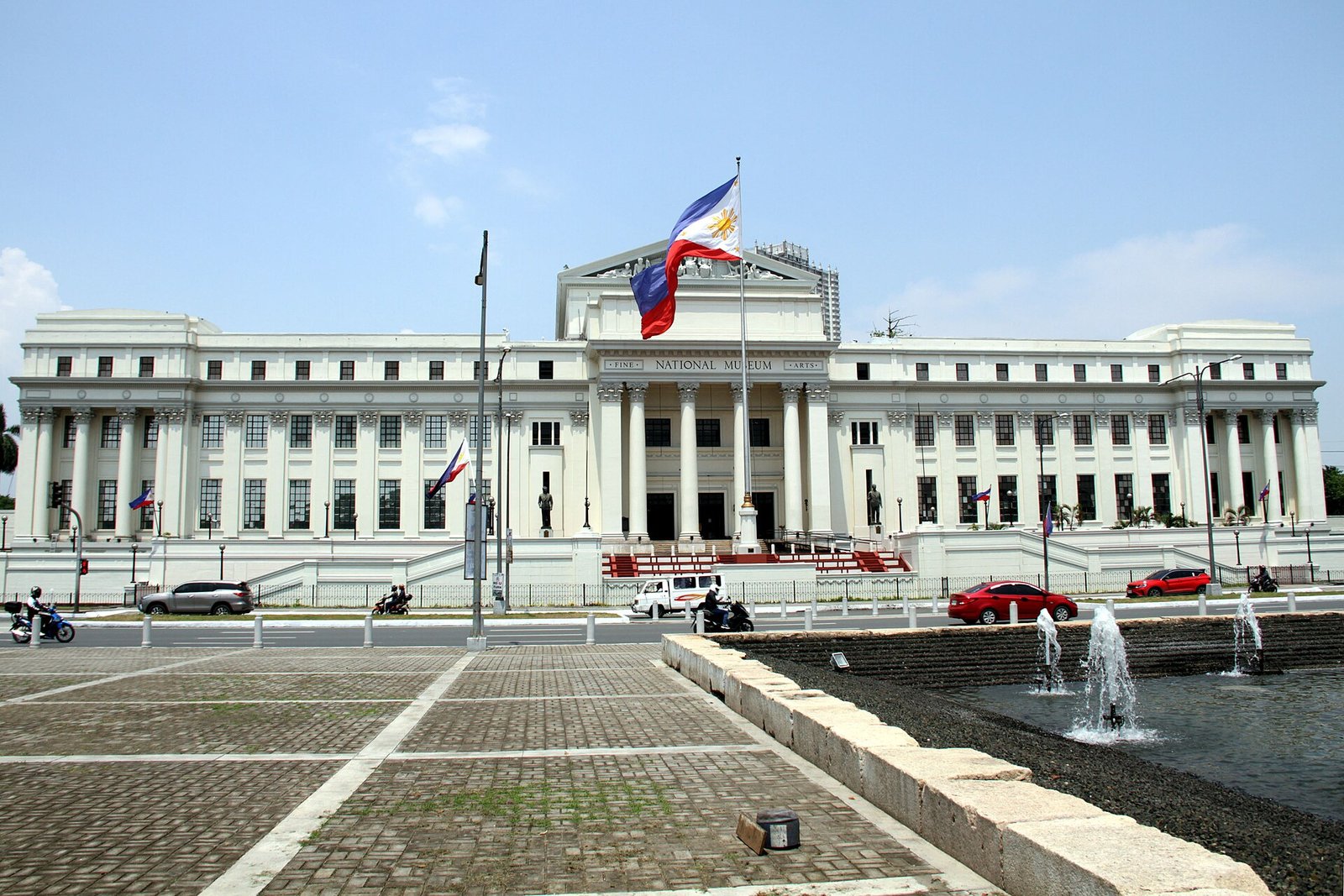
Photo: The National Museum of the Philippines in Manila on June 7, 2022 (54898) by PNA photo by Jess M. Escaros Jr., Public domain