 By
The Philippine Department of Labor and Employment is pushing new safeguards for gig workers, according to a report that appeared in BusinessMirror. The development signals that DOLE is moving to address the legal and social protection gaps facing app-based riders, drivers and freelance platform workers, a segment of the labor force that has grown sharply but remains largely outside the traditional employment framework.
The BusinessMirror item did not include the specific text of the proposed safeguards, the issuing official, a draft order number or a compliance timeline. What is clear is that DOLE is treating gig worker protection as a live policy issue rather than a distant legislative question. Employers, payroll teams and platform operators in the Philippines should watch for a formal department order or labor advisory that would define who is covered and what obligations would follow.
Why the current rules leave gig workers exposed
Philippine labor law does not clearly classify app-based workers. The Labor Code recognizes employees and independent contractors, but platform workers often fall between those categories. A rider for a food delivery app may be treated as an independent contractor by the platform, yet the platform controls pricing, dispatch, ratings and deactivation. That control is the central test in Philippine labor disputes over regularization and illegal dismissal.
Without employee status, gig workers generally lack the mandatory coverage that payroll teams arrange for regular staff: SSS, PhilHealth and Pag-IBIG contributions, overtime pay, holiday pay, service incentive leave and occupational safety protections. DOLE regional offices have shown how enforcement works when an employment relationship is established. In Agusan del Sur, for example, 30 construction workers received P90,000 in claims over underpayment of wages and unpaid overtime after a DOLE inspection, according to the DOLE Caraga office. Gig workers rarely have access to that kind of inspection-based remedy because no employer is on record.
What a DOLE safeguard could require in practice
The likely shape of any DOLE measure can be read from the agency’s existing tools and from regional labor policy. A department order or labor advisory could require platforms to register workers with social security agencies, contribute to PhilHealth and Pag-IBIG, provide accident insurance, publish transparent deactivation policies and give workers a channel to contest algorithmic decisions.
For payroll and HR teams, the practical question is whether the platform or the individual worker becomes responsible for remittances. If DOLE treats platform workers as a distinct category rather than as employees, the obligation may fall on the platform to facilitate contributions without triggering full employment status. That would be a new compliance category in the Philippines, similar in spirit to how Singapore has set a 2029 target for later retirement and longer re-employment, though the mechanisms differ.
The Institute for Labor Studies, DOLE’s research arm, has been convening stakeholders with the ILO and Oxfam to firm up the Philippine labor policy agenda, according to the ILS. That kind of tripartite process often precedes a formal DOLE issuance. Industry Tripartite Councils, which DOLE Caraga recently reconstituted for private security and general contractor sectors, are the same structure that could be used to draft gig economy standards with platform representatives and worker groups.
What HR and payroll teams should track
The immediate step for employers is to identify whether their workforce includes platform-style arrangements, even if the company is not a ride-hailing or delivery app. Freelance recruiters, on-demand IT contractors and project-based workers paid through platforms may fall under a broad definition of gig work.
Payroll teams should prepare for the possibility that DOLE will require proof of social protection coverage for gig workers. The existing self-employed route already allows individuals to register with SSS, PhilHealth and Pag-IBIG, but uptake is inconsistent. A DOLE safeguard could shift the burden from voluntary registration to platform-assisted enrollment, with the platform deducting contributions from payouts. That would mirror how regular payroll deductions work, but without the full employer contribution that applies to employees.
Enforcement is the other area to watch. DOLE regional offices have shown they can move quickly on wage claims and workplace safety violations. The Caraga office released P482.5 million in emergency employment aid to 83,000 workers in one quarter and settled P2.07 million in labor claims for 94 workers in Surigao del Sur. If gig worker safeguards include a complaint mechanism, regional offices would likely handle deactivation disputes and unpaid benefit claims.
The regional and legislative context
The Philippines is not acting in isolation. Indonesia has urged stronger worker safeguards as ASEAN mobility expands, according to HRSEA. The ILO has reported that more than 83 percent of domestic workers worldwide remain in informal employment, a figure that underscores how platform work extends informality into digitally managed settings.
In Congress, gig worker protection bills have been filed in past sessions, though no single measure has become law. A DOLE department order would bypass the legislative calendar and take effect through administrative rulemaking. That makes the exact wording of any draft order important: whether it creates a new worker category, imposes mandatory benefits, or simply encourages voluntary compliance through registration drives and tripartite agreements.
For now, the BusinessMirror report confirms that DOLE is pushing the issue forward. The absence of a published draft means HR and payroll leaders should monitor DOLE’s official issuances rather than rely on secondary summaries. The first formal document will determine whether the safeguards are enforceable rules or advisory guidance, and whether platforms face penalties for non-compliance.
Sources: BusinessMirror
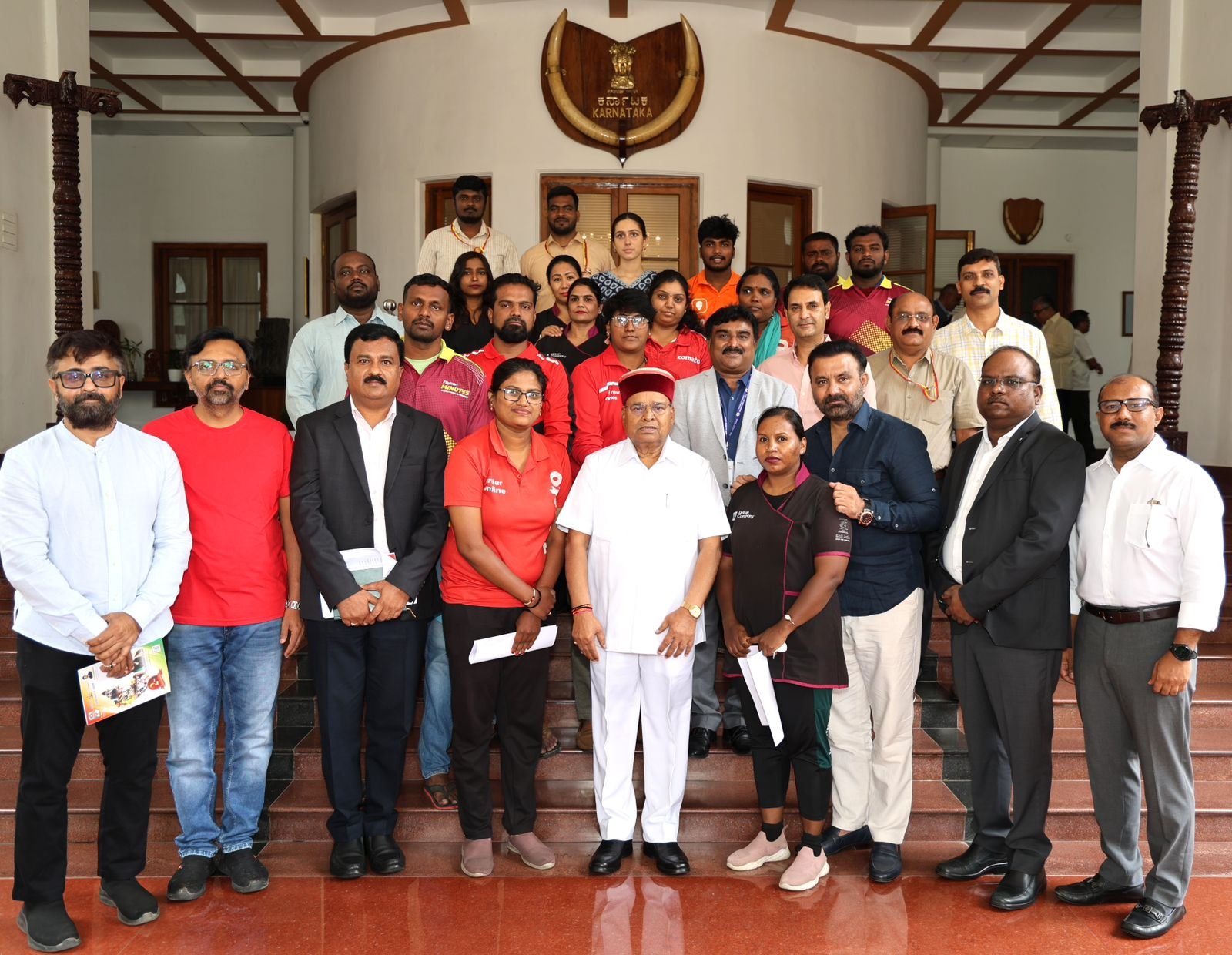
Photo: Karnataka Labour Minister Santosh Lad with gig workers and representatives of pl by Rezo619, CC BY-SA 4.0