 By
Reliance Industries has advanced a portion of annual performance-linked variable pay for nearly 5,000 Network18 employees, according to HRKatha. An internal message from Anant M Ambani, executive director of Reliance Industries, dated 28 October, informed staff of the decision.
October salaries were paid on 15 October, around two weeks ahead of the usual month-end schedule. The remaining variable pay will be settled after the 2026-27 performance cycle, in line with applicable company guidelines. The early payout is an advance, not a complete settlement of the year’s performance-linked compensation.
What the announcement does and does not say
The HRKatha report contains no rupee amount or percentage of variable pay advanced. It also does not specify which Network18 entities are covered, whether the advance applies to permanent employees only, or whether contract staff are included. The figure of nearly 5,000 employees is approximate, not exact.
No direct quotes from Anant M Ambani or any other executive appear in the source. The internal message is paraphrased. This matters for payroll and HR teams because the absence of a stated percentage means employees may ask their managers or HR business partners what portion of their annual variable pay they will receive early.
The timing is notable. October salaries paid on 15 October means employees received money roughly two weeks before the usual month-end cycle. For payroll teams, this creates a mid-month processing event that sits outside the normal calendar.
Why an advance is different from a bonus
Indian employers commonly distinguish between fixed salary and performance-linked variable pay. Variable pay is typically tied to annual performance cycles and paid after the cycle closes, often in the first quarter of the following financial year. An advance against that variable pay is not additional compensation. It is an early release of money the employee would eventually receive.
This distinction carries payroll and tax implications. Salary paid in October is taxed in the same financial year as normal. An advance against variable pay does not change the total taxable amount, but it does shift cash flow into an earlier month. Payroll teams should ensure the advance is recorded as a recoverable or adjustable amount against the final variable pay settlement, not as a separate bonus head.
For employees, the practical effect is more cash before the festive season, but a smaller variable pay settlement later. HR teams should prepare managers to explain this clearly, especially for employees who may mistake the advance for an additional payout.
The Reliance and Network18 context
Reliance Industries took control of Network18 in 2014. The media group includes television news channels, digital properties and entertainment assets. Jio Platforms, the digital arm of Reliance, is named in the HRKatha report as part of the corporate context.
The announcement comes as Reliance approaches its 50th year. The company has historically used employee communications around milestones to reinforce its position as an employer. An early variable pay release fits that pattern, but the source does not state a formal reason for the timing.
The report does not link the advance to the Reliance-Disney India media merger, layoffs, restructuring or retention measures. Readers should not assume a connection that the source does not make. HRKatha published the story on 30 October 2026, two days after the internal message.
What HR and payroll teams should do now
Payroll teams processing the advance should confirm the following with their finance or compensation leads. First, whether the advance is a fixed rupee amount or a percentage of the employee’s annual variable pay target. Second, whether the advance will be adjusted against the final settlement after the 2026-27 performance cycle or recovered separately. Third, how the advance should appear on payslips.
HR teams should prepare a short internal note for employees. The note should state that the payment is an advance against performance-linked variable pay, not an additional bonus, and that the remaining amount will be settled after the 2026-27 cycle. It should also clarify that the final settlement depends on company and individual performance outcomes.
For employees who leave before the settlement date, the treatment of the advance should be confirmed in writing. Indian employers often recover advances from full and final settlements, but the specific policy will depend on the employment contract and company guidelines. HR teams should not assume a standard rule applies.
What remains unclear
The source leaves several questions unanswered. The exact amount or percentage advanced is not stated. The specific Network18 brands or entities covered are not named. The report does not say whether the advance applies to all employees or a subset such as full-time permanent staff. It also does not state whether the advance is linked to the festive season, the company’s 50th year, or another internal reason.
Payroll and HR readers should treat the announcement as a factual event with limited public detail. Any further specifics should come from official Reliance or Network18 communications, not from inference.
Sources: HRKatha
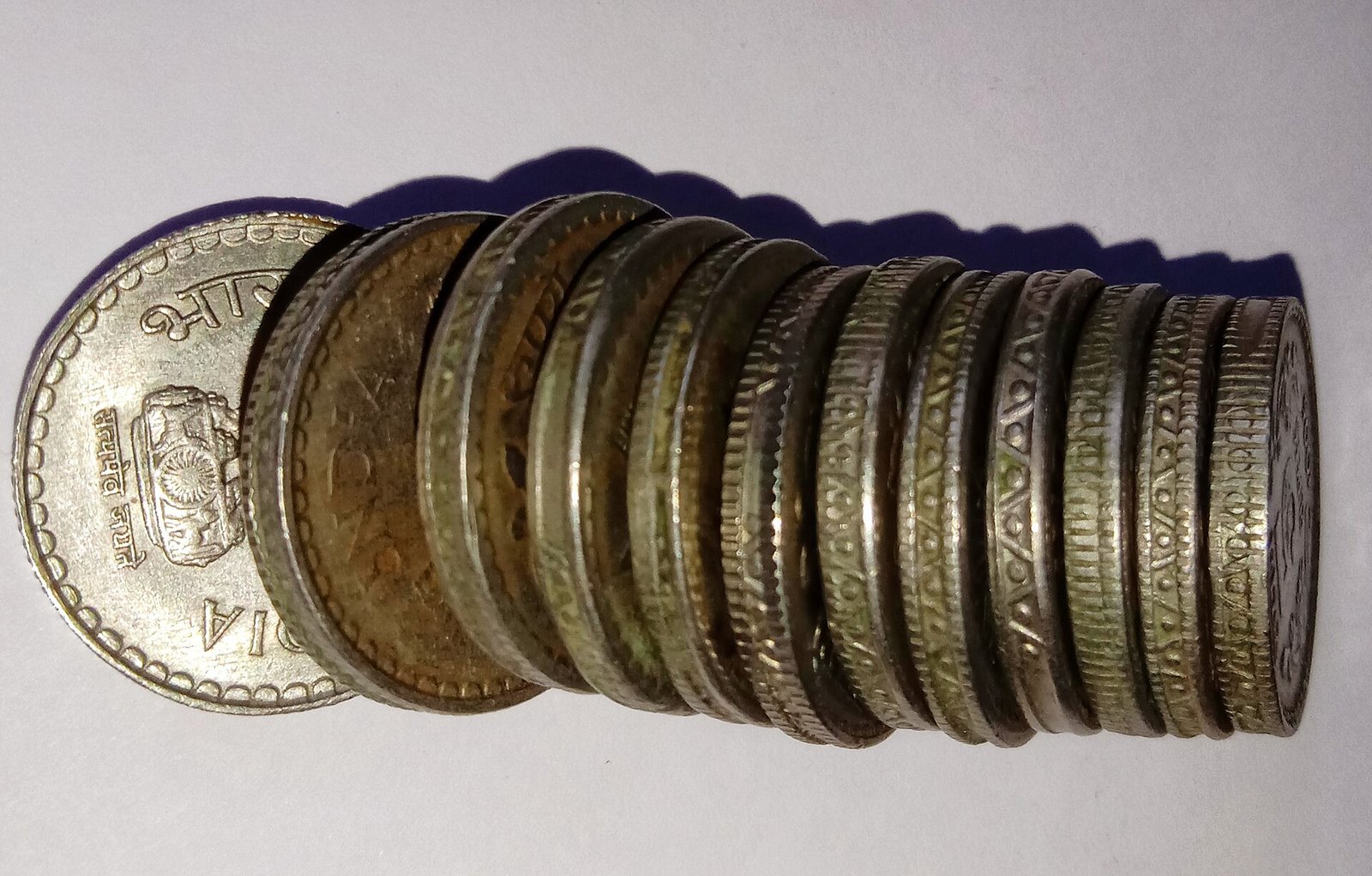
Photo: Security edges of the Indian 5 Rupee coins by Billjones94, CC BY-SA 4.0