 By
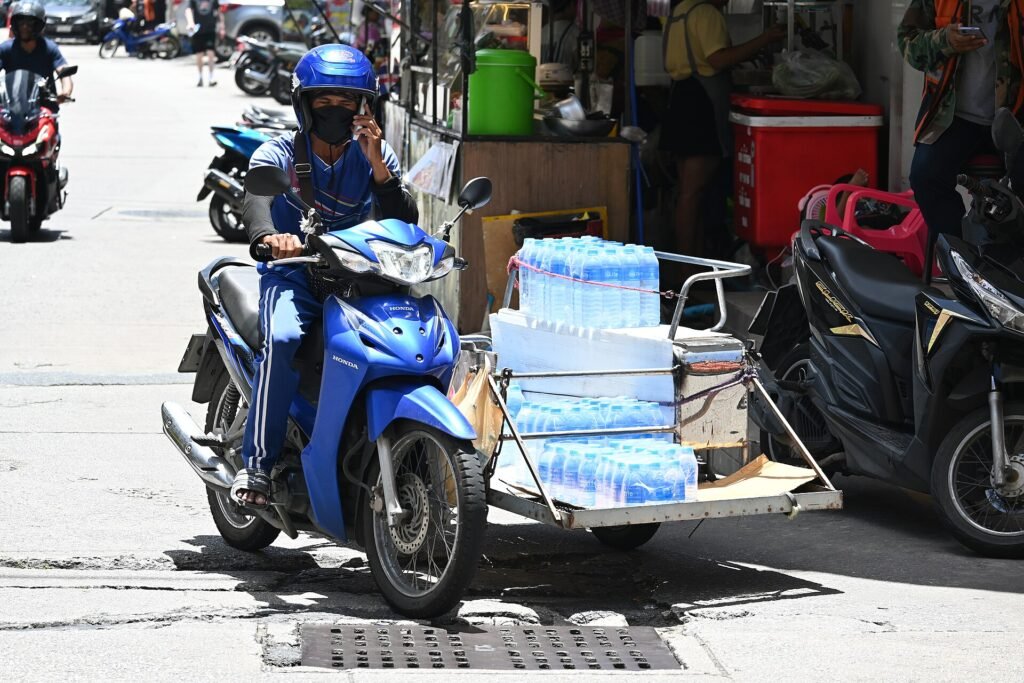
The Department of Labor and Employment (DOLE) issued a labor advisory on 29 October 2026 that sets out employer obligations for protecting workers from extreme heat, according to the Daily Tribune. Secretary Francis Tolentino also urged the public to offer a glass of water to motorcycle-riding delivery workers as temperatures rise with the El Niño phenomenon.
The advisory addresses El Niño-related illnesses, employer liabilities, and guidelines urging customer patience regarding delayed deliveries caused by severe weather conditions, the Daily Tribune reported. DOLE had previously issued two labor advisories since 23 October covering the compensability of heat-related illnesses and mandatory heat control measures that business owners must implement.
What the advisory covers
The new advisory builds on Labor Advisory No. 08, Series of 2023, which Kamanggagawa party-list Rep. Eli San Fernando questioned as potentially inadequate for prolonged heat exposure. House Resolution 1566, filed by San Fernando, asks whether an advisory-based approach can protect workers facing sustained or unavoidable exposure to extreme heat, particularly where workers may be compelled by economic necessity to continue working despite unsafe conditions.
The resolution seeks a congressional inquiry into DOLE’s readiness, including its inspection capacity under Republic Act 11058, the Occupational Safety and Health law. That law already gives workers the right to refuse unsafe work and protects them from retaliation, but the resolution asks whether those protections are being enforced in practice.
What employers should do now
The advisory is not a standalone document. It sits alongside the two earlier advisories issued since 23 October, which cover compensability of heat-related illnesses and mandatory heat control measures. Employers should treat the package as a compliance baseline, not optional guidance.
Practical steps that flow from the advisory and the underlying Occupational Safety and Health framework include reviewing heat exposure in each work area, identifying workers with prolonged outdoor or non-ventilated indoor exposure, and documenting heat-related incidents. Payroll teams should note that heat-related illnesses may be compensable under the earlier advisory, which affects claims handling and reporting.
Tolentino scheduled meetings with employers from retail and sales establishments on Wednesday to discuss practical workplace adjustments and protective protocols, according to the Daily Tribune. Employers in construction, agriculture, transport, fishing, garment and electronics factories are named in the resolution as sectors of concern.
The enforcement question
The central dispute is whether advisories carry enough legal force. San Fernando said DOLE poured ₱19 billion into TUPAD, but when asked what concrete and mandatory protection exists for workers amid drought and extreme heat, the answer is only advisories and appeals to large businesses, according to Politiko.
He argued that when a worker suffers heatstroke or dies on the road, in a field, or inside a poorly ventilated factory, financial aid will not bring them back. What is needed, he said, is accountability, enough labor inspectors, and genuine mandatory heat-stress standards.
House Resolution 1566 calls for enforceable work-rest schedules tied to heat index levels, income protection for workers whose hours are reduced or work suspended due to extreme weather, and an examination of DOLE’s inspection capacity. The House Committee on Labor and Employment will examine DOLE’s policies under the resolution.
What HR and payroll teams should track
The advisory does not, based on the available reporting, specify a single heat index number that automatically triggers work stoppage. That gap is precisely what the congressional resolution seeks to close. Until mandatory thresholds are set, employers should monitor PAGASA heat index forecasts and apply the general duty under Republic Act 11058 to provide a safe workplace.
Payroll implications are real. If work is suspended or hours are reduced due to extreme heat, the resolution asks whether workers should receive income protection. No final rule on that point has been issued, so employers should document any heat-related schedule changes and check with DOLE or legal counsel on wage treatment.
Delivery platforms were already in talks with DOLE about heat safeguards for riders as of 21 October, according to the Daily Tribune. Employers using gig or platform workers should expect additional guidance or platform-level requirements to emerge from those discussions.
What happens next
DOLE is set to release the comprehensive labor advisory on 29 October 2026, the Daily Tribune reported. The House Committee on Labor and Employment will examine DOLE’s policies and inspection capacity under House Resolution 1566. PAGASA’s 21 October update said a strong to very strong El Niño was present in the tropical Pacific, with effects potentially continuing through the first half of 2027, according to Politiko.
Employers should not wait for the congressional inquiry to conclude. The existing advisories already create obligations, and the direction of policy is toward stricter, more enforceable standards. Reviewing heat exposure, updating safety protocols, and preparing for possible work-rest schedule mandates are the immediate priorities.
Sources: Daily Tribune, POLITIKO
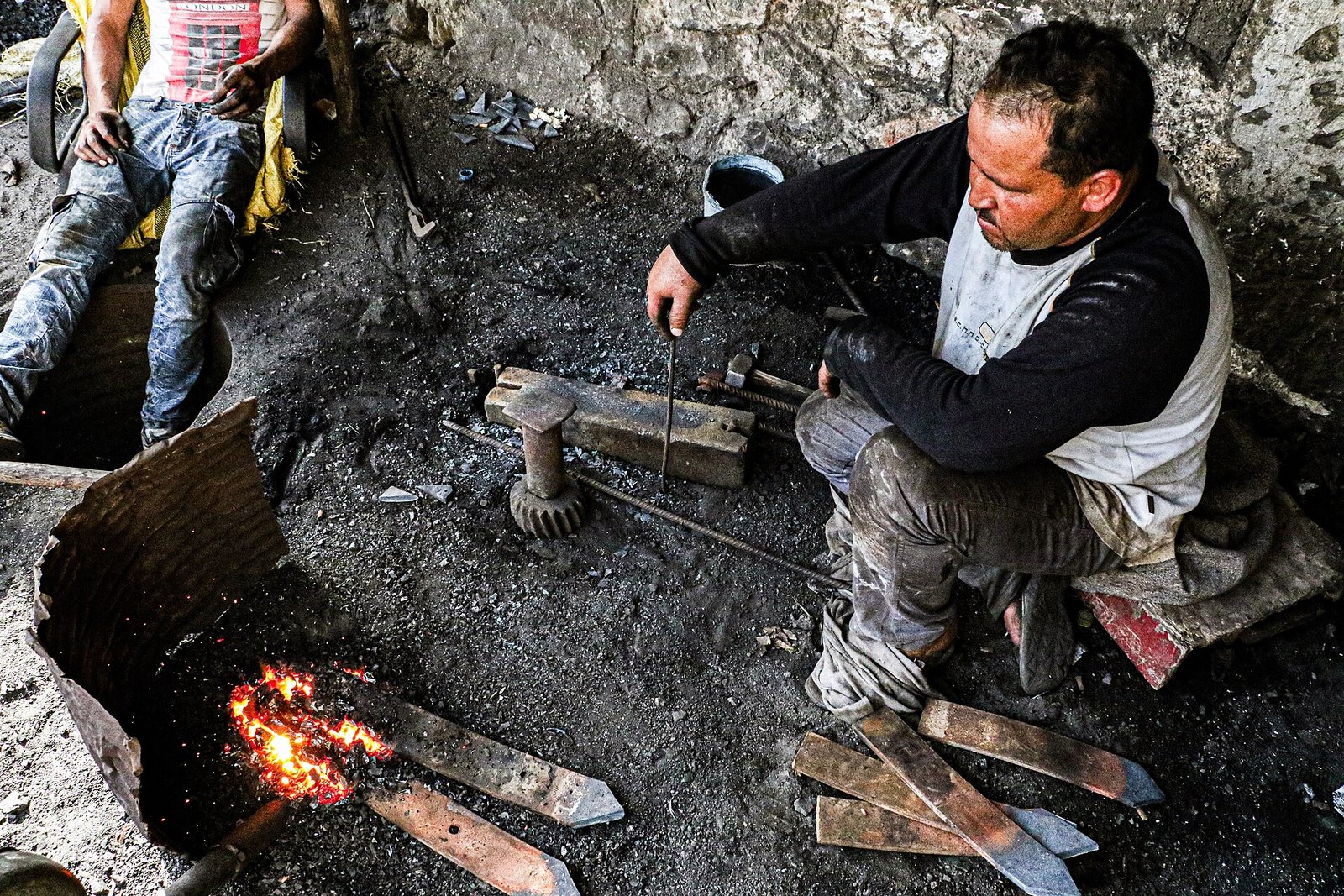
Photo: Working Next to the Fire to Smelt Iron While Another Worker Rests on the Ground by Myassinekhatib, CC BY-SA 4.0