 By
Mauritius has agreed to recruit Nepali workers through a government-to-government mechanism, with employers bearing the recruitment costs. The development follows a revised draft memorandum of understanding sent by the High Commission of Mauritius in New Delhi to Nepal’s Ministry of Foreign Affairs on October 29, according to Onlinekhabar English.
The draft MoU covers a government-operated worker recruitment mechanism, selection of skilled and trained workers, recruitment procedures aligned with the laws of both countries, employer responsibilities, workers’ rights and welfare, and repatriation after termination or contract expiry. Mauritius’ Minister of Labour and Industrial Relations, Mohamed Reza Cassam Uteem, said employers were responsible for bearing recruitment costs. Nepal’s Ministry of Labour said the development would strengthen the government’s priority of expanding attractive, safe and dignified employment opportunities for Nepali workers.
What the G2G mechanism means for Mauritian employers
A government-to-government recruitment channel shifts parts of the hiring process away from private recruitment agencies and toward state involvement on both sides. For HR teams in Mauritius, this can mean a more standardised pipeline for sourcing Nepali workers, with Nepal’s government playing a role in identifying and pre-vetting candidates.
The sectors named in the agreement are manufacturing, construction, agriculture, tourism and information technology. Employers in these industries should expect any eventual worker placements to arrive through a process where the Nepali authorities have already screened for skills and training. The practical implication is that Mauritian HR teams may need to adapt their onboarding to workers who arrive through a state-facilitated channel rather than through an agency they have contracted directly.
The commitment that employers bear recruitment costs is significant for payroll and budgeting. It means the cost of sourcing, placing and possibly repatriating workers will sit with the employer, not the worker. Finance leads should model these costs into workforce planning once the MoU is finalised and operational details are published.
How the agreement has progressed so far
The timeline is short but concrete. On June 9, Nepal’s Minister for Labour, Employment and Social Security, Ramjee Yadav, held a bilateral meeting with Uteem in Geneva, Switzerland. That meeting set the direction for a formal agreement. On October 29, the High Commission of Mauritius in New Delhi wrote to Nepal’s Ministry of Foreign Affairs and provided a revised draft of the MoU. The story was reported from Kathmandu on November 1.
Mauritius has pledged to finalise the revised draft proposed by Nepal and move the process forward. No signing date or implementation deadline has been announced. HR and payroll leaders should treat the agreement as a policy direction rather than an operational change until the MoU is signed and both governments publish the procedures.
What HR teams should watch next
The MoU text will determine several practical matters that the news brief does not yet answer. These include the exact selection criteria for workers, the training standards Nepal will apply, the visa and work permit pathway in Mauritius, and the mechanism for repatriation when contracts end.
For payroll teams, the key open question is how recruitment costs will be itemised and whether any portion is recoverable or deductible under Mauritian rules. Employers should confirm the treatment of these costs with their own advisers once the final MoU and any supporting regulations are published.
The agreement also raises questions about contract terms. The draft mentions repatriation after termination of employment or expiry of contracts, which suggests fixed-term arrangements may be the default. HR teams should review their template contracts for foreign workers to ensure they align with whatever the final MoU specifies.
What this means for workforce planning
Mauritian employers in the five named sectors may gain a more predictable route to hiring Nepali workers. Nepal has long been a labour-sending country, and its government has been working to formalise overseas employment through bilateral agreements. For Mauritius, the G2G channel could reduce reliance on informal or agency-driven recruitment.
However, the agreement does not yet specify volumes, quotas or sectoral allocations. Employers should not assume immediate access to workers. The next milestone is the finalisation of the MoU, after which both governments will need to establish the operational machinery for selection, documentation and deployment.
Until then, HR leaders can prepare by mapping their current foreign worker recruitment costs, reviewing onboarding processes for workers arriving through state channels, and identifying which roles in manufacturing, construction, agriculture, tourism and IT could be filled through the G2G route once it becomes operational.
Sources: Onlinekhabar English
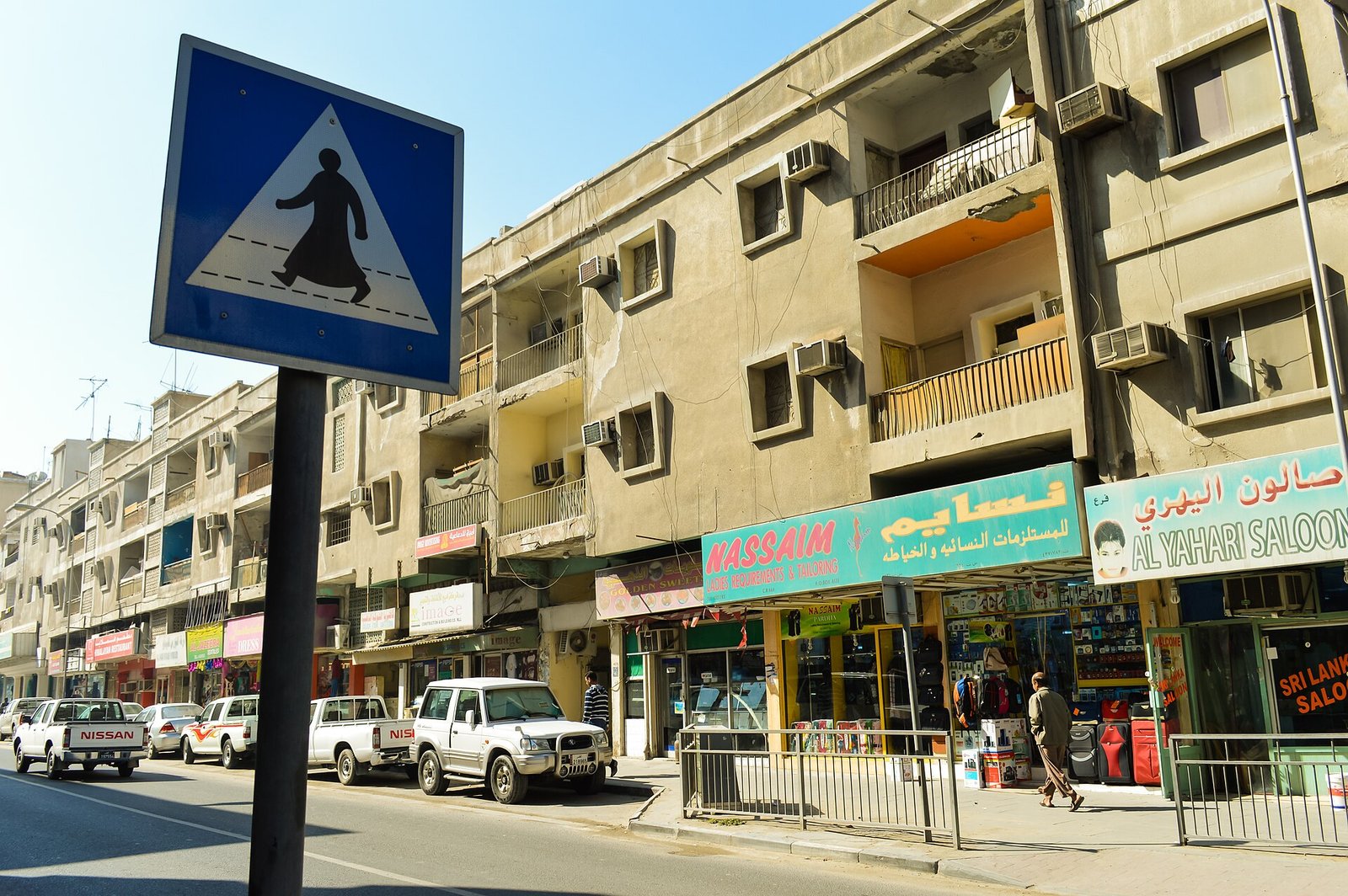
Photo: Crosswalk in Nepali guest worker neighborhood (12541778514) by Francisco Anzola, CC BY 2.0