
 By
By More than 460,000 female health, disability and community services workers will receive fairer pay and work conditions following findings by the Fair Work Commission, according to PS News. The Commission recognised that female employees’ work in the care sector has been undervalued because of gender-based assumptions.
The Federal Government has committed $630 million to deliver the fairer pay. The decision, handed down in September, affects workers covered by the Social, Community, Home Care and Disability Services Industry Award 2010. Workers received an up to 15 per cent wage rise from 1 October, with any residual increase to be paid from 1 October 2027. Services Minister Katy Gallagher said the findings and payments were “a significant step towards ensuring women were properly recognised and rewarded for their contribution to the care sector.”
What the decision covers
The Fair Work Commission’s decision applies to the Social, Community, Home Care and Disability Services Industry Award 2010, known in payroll teams as the SCHADS Award. The award’s various schedules will be replaced with a new classification structure from 1 October 2027. That means payroll managers need to plan for a structural change, not just a rate change.
The government said the pay rises were a direct result of gender-equality reforms introduced through the Fair Work Act in 2022. Those amendments made gender equality an objective of the Act and empowered the Commission to order wage increases where work has been undervalued because of gender-based assumptions. Before those changes, there had been only one successful equal pay case in thirty years under the old laws, according to the Independent Education Union.
The $630 million investment will provide award-related wage changes for workers in more than 128,000 charities and not-for-profit organisations that deliver 92 government programs. For employers in those programs, the funding is intended to offset the increased wage costs, but payroll teams should confirm how their specific funding agreements handle the flow-through.
How the pay rise works in practice
The increase is phased. Workers received an up to 15 per cent rise from 1 October, with residual amounts payable from 1 October 2027. The two-stage structure means payroll systems must be configured to apply the first increase now and the second on a future date, with the new classification structure taking effect at the same time as the residual payment.
The Australian Services Union, the Australian Industry Group and individual submitters had called for pay rises to be brought forward after the Commission agreed in June to restructure the award. The ASU took its case to Parliament in September to ask the government to support its position.
For payroll teams, the practical steps are clear. First, identify all employees covered by the SCHADS Award, including those whose enterprise agreements incorporate award rates by reference. Second, apply the 15 per cent increase to the relevant classifications from the first full pay period on or after 1 October. Third, document the interim rates so the 2027 residual increase and new classification structure can be applied cleanly.
What it means for HR and payroll teams
The decision creates immediate compliance obligations. Employers covered by the SCHADS Award must update payroll configurations, notify affected employees, and check that any enterprise agreement rates do not fall below the new award minimums. Where an agreement rate was above the old award rate but below the new one, the award rate prevails.
The Fair Work Ombudsman can investigate underpayment claims. Given the phased nature of the increase, payroll teams should retain clear records of the rates applied from 1 October and the basis for any classification mapping. The 2027 transition to a new classification structure will require a full review of employee classifications against the replacement schedules.
The gender-equality context matters for HR reporting. The Commission’s finding that care sector work has been undervalued because of gender-based assumptions may influence future equal remuneration cases. Employers in adjacent sectors, including early childhood education, pharmacy, dental assistance and pathology collection, have been named in union coverage as potentially affected by the broader gender undervaluation review, though this specific decision is limited to the SCHADS Award.
| Date | Action |
|---|---|
| 1 October 2025 | Up to 15 per cent wage rise applied |
| 1 October 2027 | Residual increase paid |
| 1 October 2027 | New classification structure replaces award schedules |
What to watch next
The residual increase in 2027 is fixed, but the classification restructure may change how individual employees map to pay points. Payroll teams should request the new classification definitions as soon as they are published and run a gap analysis against current employee classifications.
Employers in the 128,000 charities and not-for-profits delivering government programs should confirm how the $630 million investment flows through their funding agreements. The government has said the investment will provide the award-related wage changes, but the mechanics of how funds reach individual employers will vary by program.
The decision does not close the gender pay gap in Australia. It addresses one identified case of gender-based undervaluation in a specific award. The Fair Work Commission’s broader review into gender-based pay undervaluation may produce further decisions affecting other awards and industries.
Sources: PS News
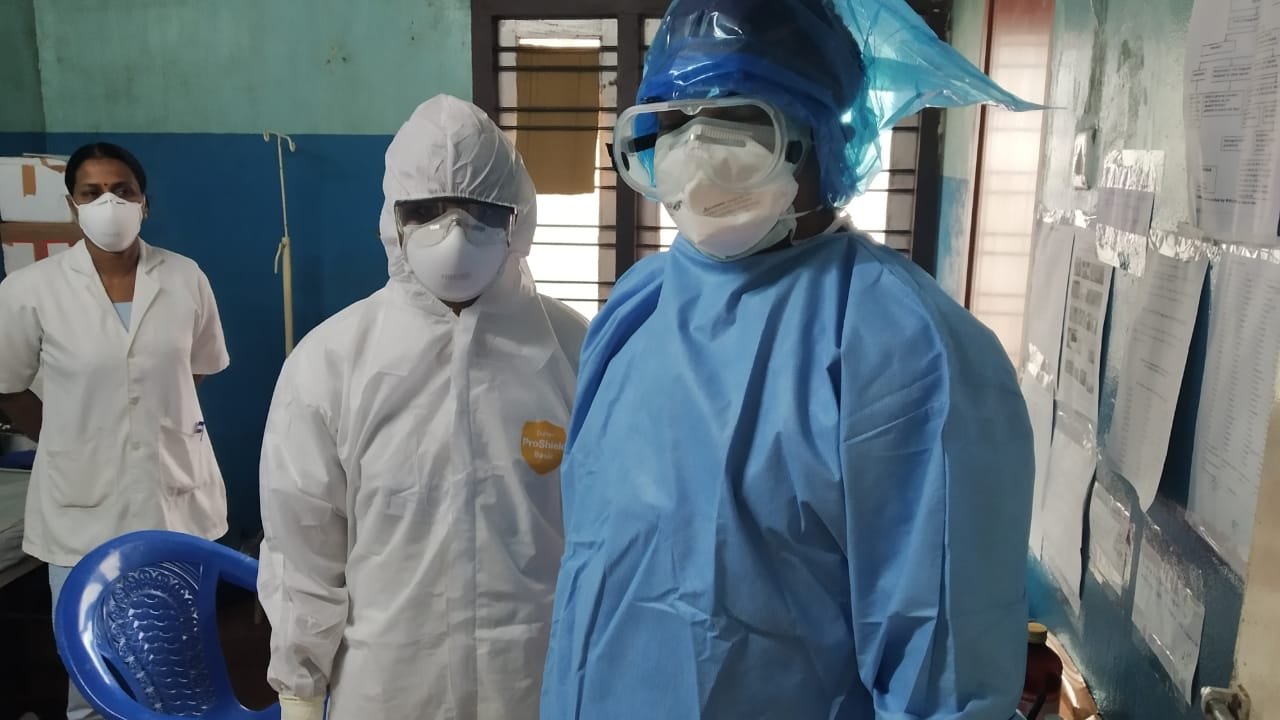
Photo: Healthcare workers wearing PPE 03 by Javed Anees, CC0