

 By
By Microsoft President Brad Smith warned that the Trump administration’s move to restrict green-card access for skilled foreign workers could hurt US technological competitiveness and drive talent overseas, Politico reported on Thursday. Smith pushed back against Vice President JD Vance’s accusations that Microsoft had abused the H-1B visa program, calling them “completely off base.”
Smith’s comments came less than a week after Vance announced the administration would bar Microsoft and seven other companies from seeking green cards for skilled foreign workers. Smith said efforts to block pathways to permanent residency for highly skilled immigrants could “cripple” the US technology sector for more than a generation, according to Politico. He denied foreign-born employees were paid less than American workers, saying Microsoft uses the same compensation system for all employees regardless of immigration status. Smith said Microsoft hired more than 9,000 US-born workers last year, arguing that contribution had been overlooked in the administration’s criticism.
What the green-card restriction actually targets
The administration’s announced bar prevents Microsoft and seven other companies from seeking green cards for skilled foreign workers. The source does not specify which legal mechanism the administration used, whether an executive order, agency guidance, or a policy directive. That matters for HR teams because the enforcement channel determines how quickly the restriction takes effect and whether it can be challenged in court.
For employers, the practical consequence is immediate: any pending permanent labor certification (PERM) applications or I-140 immigrant petitions tied to those eight companies could face new scrutiny or outright rejection. HR departments with affected employees should review their immigration case inventory and identify which workers are mid-process.
Why green-card backlogs already strain tech employers
The US employment-based green card system has long imposed a 7 percent per-country cap. For workers born in India and China, that cap creates waits measured in decades, not years. Many H-1B workers from those countries remain in temporary status for 10, 20, or more years while waiting for a green card.
That backlog has real workforce consequences. Employees stuck in the queue cannot easily change roles, start companies, or accept promotions that alter their job duties without risking their immigration status. HR teams often hear from managers that high-performing foreign-born employees feel trapped. Some leave for Canada, the UK, or other countries with faster permanent residency pathways.
Smith’s warning that restrictions could “cripple” the tech sector for more than a generation rests on that existing backlog. Adding new curbs on top of already-slow processing makes the US less attractive to the exact workers tech companies say they need.

What HR and payroll teams should watch
The immediate priority is identifying affected employees. HR teams at Microsoft and the seven other unnamed companies should work with immigration counsel to determine which workers have pending green card applications and what the announced bar means for each case.
Payroll teams have a smaller but real role. Some compensation adjustments, such as promotions or geographic moves, can trigger new PERM requirements. If green card processing is paused or blocked, those payroll changes may need to be delayed or restructured to avoid jeopardizing an employee’s immigration status.
For employers outside the eight named companies, the risk is indirect but present. If the administration expands the bar to more companies or sectors, HR teams that rely on H-1B workers should prepare contingency plans. That includes documenting the immigration status of current employees, reviewing alternative visa categories, and consulting counsel about compliance.
The wage argument and the data gap
Smith denied that foreign-born employees are paid less than American workers, saying Microsoft uses one compensation system for all employees regardless of immigration status. That claim is specific to Microsoft and cannot be generalized to other employers without separate evidence.
The broader debate over whether H-1B workers depress wages remains contested. Restrictionist groups argue that expanding green cards would lower wages and displace American workers. Employer groups counter that skilled foreign workers fill roles where domestic supply is thin. The source does not provide wage data for Microsoft or the tech sector, so HR readers should treat both claims as arguments, not established fact.
Practical steps for affected workers and employers
Affected workers should check the monthly Visa Bulletin to see whether their priority date is current in their employment-based category. Those with approved I-140 petitions but no available green card may want to explore whether they qualify for EB-1, which has historically had shorter waits for some applicants.
Employers should consider whether Canada’s Express Entry system or the UK’s Global Talent visa offer faster alternatives for critical employees. Both countries actively recruit skilled tech workers who face long US backlogs. An internal mobility program that places affected workers in a Canadian or UK office can preserve talent while the US immigration situation remains uncertain.
The White House and Microsoft did not immediately respond to Reuters’ requests for comment, according to the source. No next steps were specified beyond the reported warning and the announced bar.
Sources: ETHRWorld
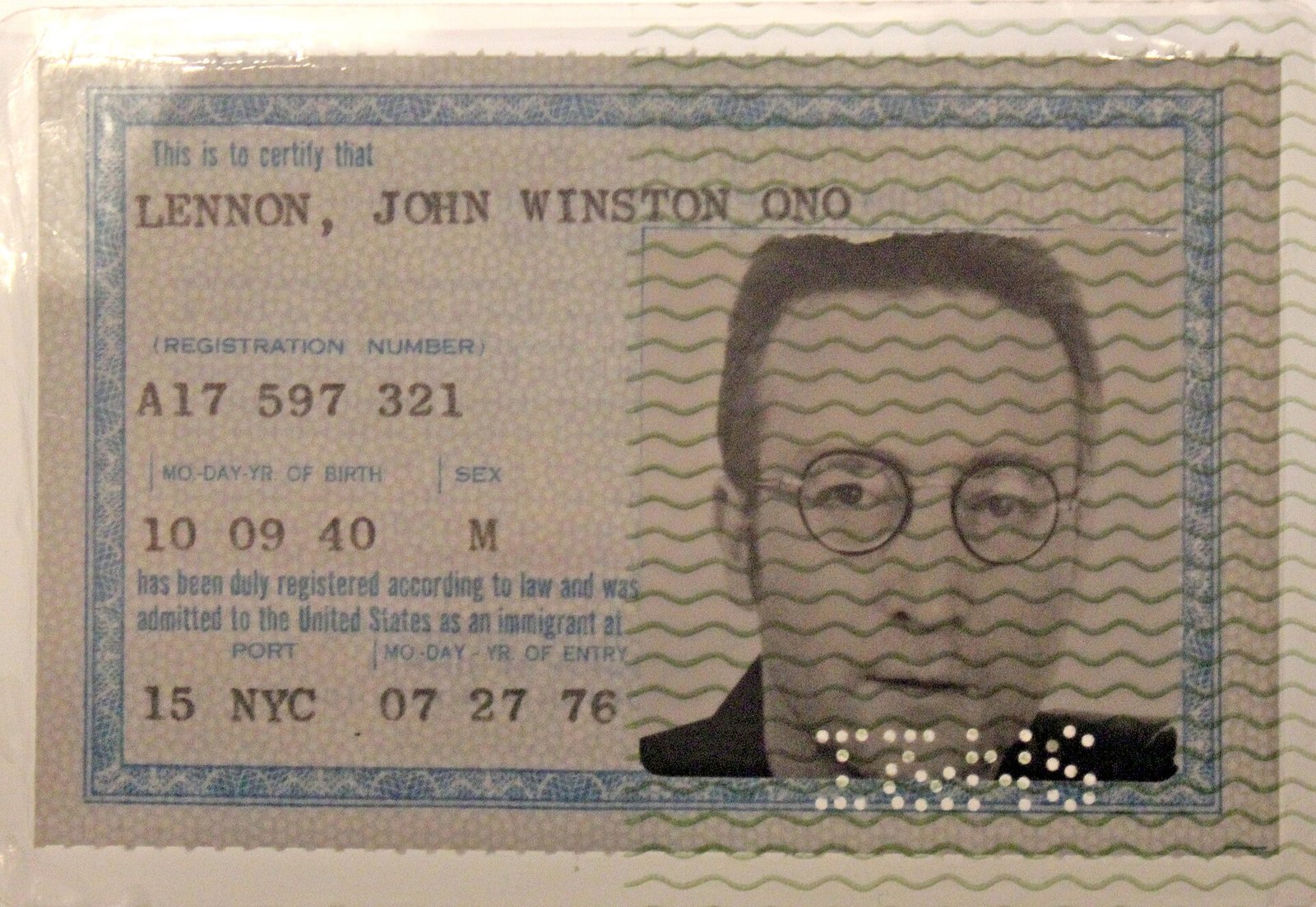
Photo: Lennon's Green Card by Rodhullandemu, Public domain