 By
The U.S. Department of Labor has formally withdrawn three opinion letters that led to the 80/20 rule for tipped employees, according to HRMorning. The agency issued Field Assistance Bulletin No. 2026-1, which officially retires those letters from the books.
The 80/20 rule generally barred employers from claiming the tip credit for time that tipped employees spent on related, non-tip-producing duties beyond 20% of their workweek. The DOL had already dropped the 80/20 guidance from its handbook in January 2025, after a federal appeals court struck down the rule in August 2024. The new bulletin, reported by HRMorning with a last updated date of October 28, 2026, confirms that the agency no longer enforces percentage-based limits on duties within a tipped occupation.
What the withdrawal changes for payroll teams
The bulletin confirms a practical shift that payroll and HR teams have been waiting to see formalized. Employers may now claim the tip credit for time spent on related duties within a tipped occupation without tracking whether those duties cross a 20% threshold. That removes a significant recordkeeping burden tied to duty classification.
The change does not remove all limits. Employers still cannot claim a tip credit for hours worked in a separate, non-tipped job. If a server also works as a maintenance worker or bookkeeper, those hours must be paid at the full minimum wage, not the tipped minimum. The distinction between related duties within one occupation and a separate occupation remains the key compliance question.
How the 80/20 rule operated before withdrawal
The 80/20 rule grew out of DOL opinion letters interpreting the Fair Labor Standards Act. Under that guidance, an employer paying a tipped employee the subminimum cash wage could only apply the tip credit to time spent on tip-producing work or on related duties that did not exceed 20% of the workweek. Related duties included tasks like a server rolling silverware, filling salt shakers, or cleaning tables.
If related duties crossed the 20% line, the employer owed the full federal minimum wage for the excess time. That created a tracking obligation. Employers had to classify duties, monitor time by category, and adjust pay when the threshold was crossed. The rule was often criticized as difficult to apply in fast-moving restaurant and hospitality environments.
What the bulletin does and does not do
The Field Assistance Bulletin withdraws the opinion letters but does not create new substantive law. It confirms the DOL’s enforcement posture after the appeals court decision. The agency is developing a proposed rule on tipped employees, which could eventually replace the withdrawn guidance with new regulatory text.
For now, employers should treat the bulletin as a signal that federal enforcement will not focus on percentage-based duty limits. That does not change state requirements. Several states prohibit tip credits entirely or impose stricter rules on how tipped employees are paid. Employers must still follow state law where it provides greater protection.
Practical steps for HR and payroll teams
Payroll teams should review how tipped employee time is currently classified. If systems were built to track the 20% threshold, those controls may no longer be necessary at the federal level. But removing them without checking state rules would be a mistake.
Employers should also document the distinction between related duties and separate occupations. The bulletin does not eliminate that line. A tipped employee who spends part of a shift doing work outside the tipped occupation must still be paid full minimum wage for those hours. Clear job descriptions and time-tracking practices remain important.
| Area | Before withdrawal | After withdrawal |
|---|---|---|
| Related duties over 20% of workweek | Full minimum wage required | No federal percentage limit |
| Separate non-tipped occupation | Full minimum wage required | Full minimum wage required |
| State tip credit rules | Applied alongside federal rule | Still apply independently |
| Duty tracking burden | High, percentage-based | Reduced at federal level |
The proposed rule on tipped employees is the next development to watch. Until it is issued, the bulletin is the clearest statement of current DOL enforcement policy. Employers with multi-state operations should review each state’s tip credit rules before changing any pay practices.
Sources: HRMorning
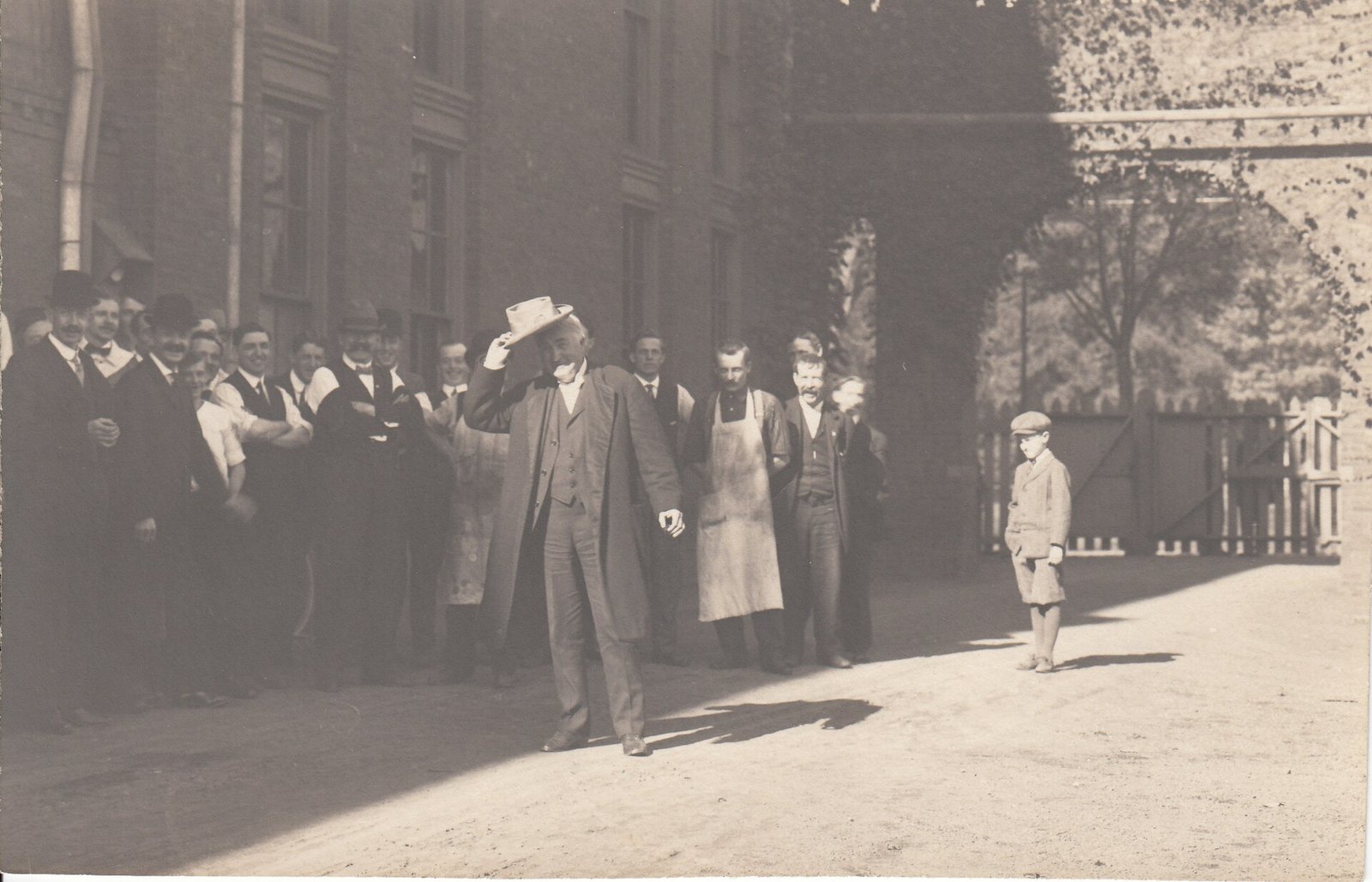
Photo: Thomas Edison tipping his hat to his employees upon his return from Europe. (d65 by Unknown authorUnknown author, Public domain