 By
The Philippines’ Department of Labor and Employment has issued guidelines clarifying that employees who suffer work-related heat illnesses may qualify for compensation under the Employees’ Compensation Program, according to Manila Standard. Labor Secretary Francis Tolentino signed Labor Advisory No. 19, Series of 2026, which covers prevention, documentation, reporting, filing, and evaluation of compensation claims for occupational heat-related illnesses during El Niño and other periods of extreme heat.
The Daily Tribune reported the advisory was signed on October 23, 2026, and cited Employees’ Compensation Commission Board Resolution No. 26-10-40, Series of 2026. The guidelines list heat stroke, heat cramps, heat exhaustion, heat syncope, heat rash, rhabdomyolysis, dehydration resulting in kidney injury, and neurological disorders as potentially compensable conditions.
What the advisory actually covers
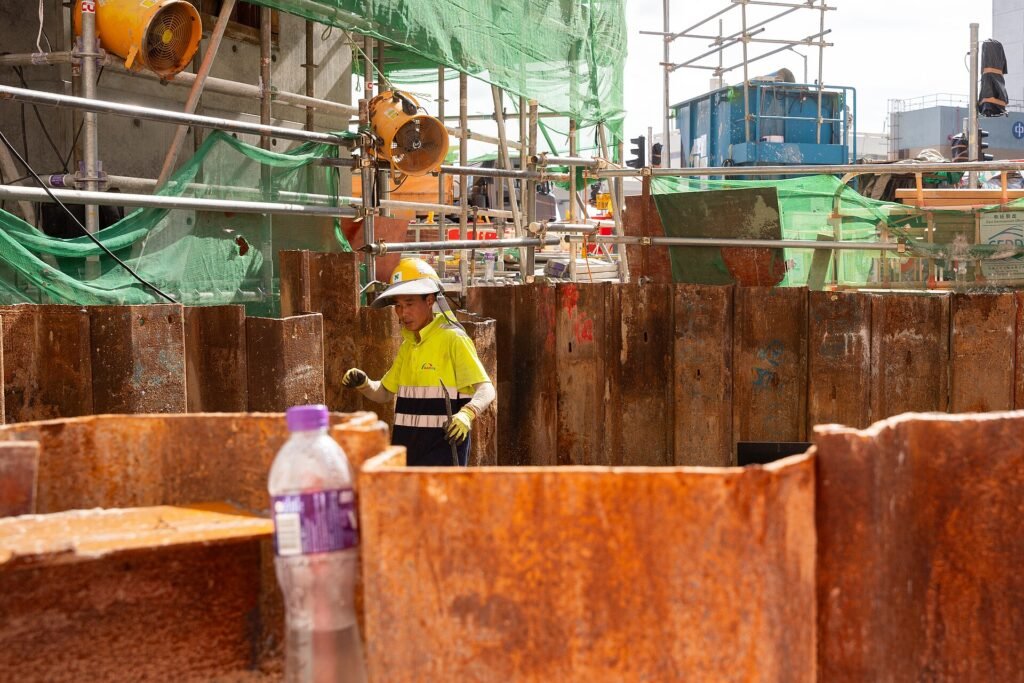
The new guidelines apply to workers insured under the ECP through the Social Security System for private sector employees and the Government Service Insurance System for public sector workers. Coverage extends to employees exposed, or reasonably expected to be exposed, to excessive heat in both indoor and outdoor workplaces.
The advisory identifies several factors for assessing whether a heat illness is work-related: the nature of employment and work activities, environmental and workplace conditions, duration and intensity of heat exposure, protective clothing and equipment used, preventive measures in place, and other relevant circumstances. PAGASA heat index classifications may be submitted as supporting evidence when a worker files a claim.
This marks a shift from earlier DOLE guidance. Labor Advisory No. 8, Series of 2023, focused on prevention, urging employers to implement flexible work arrangements and heat stress management programs. The new advisory goes further by establishing a pathway to compensation once a worker is already ill.
How the compensation process works in practice
The ECP operates separately from regular SSS or GSIS benefits. It provides medical benefits, disability benefits, rehabilitation services, and death benefits for work-connected injuries and occupational diseases. For heat illness claims, the process begins with documentation.
Employers must maintain records of work-related heat illnesses and assist affected workers or beneficiaries in filing compensation claims. They must also comply with reporting requirements, including submission of a Work Accident/Illness Report when required. Workers should preserve evidence such as occupational safety and health records, workplace temperature measurements, work schedules, records of physical workload and work-rest arrangements, documentation of preventive measures, and witness statements.
The advisory does not specify a filing deadline, but ECP claims generally follow existing SSS and GSIS rules. Workers should confirm the applicable deadline with their administering agency. The Employees’ Compensation Commission, through its Regional Extension Units, and DOLE regional offices will disseminate the guidelines and provide technical assistance.
What this means for HR and payroll teams
HR departments in the Philippines should treat heat illness as a potential compensable workplace event, not merely a safety concern. When an employee reports heat cramps, exhaustion, or fainting during a shift, the incident should be documented with the same rigor as a machinery accident.
Payroll teams should note that ECP benefits are distinct from regular sick leave or PhilHealth claims. An employee who misses work due to heat stroke may be entitled to temporary total disability benefits through the ECP, separate from any company sick leave policy. HR should coordinate with the company’s SSS or GSIS liaison to ensure claims are filed correctly.
Employers should also review their heat stress prevention measures. The advisory lists preventive measures as an assessment factor, meaning a workplace with documented heat stress controls may be in a stronger position when evaluating claims. Conversely, the absence of such measures could weigh against an employer.
Practical steps for employers and workers
When a worker shows signs of heat illness, the immediate priority is medical care. After that, documentation becomes critical. The worker or a supervisor should record the time, location, temperature conditions, and nature of the work being performed. Witness statements from coworkers strengthen the record.
Employers should designate a point person to handle ECP-related documentation and ensure that Work Accident/Illness Reports are submitted promptly. The advisory encourages cooperation among employers, workers, unions, safety and health committees, and occupational safety and health personnel in preventing heat-related illnesses, reporting incidents, and facilitating medical referrals.
The Department of Education has separately addressed heat risks in schools. Education Secretary Sonny Angara said schools are mandated to conduct early dismissal during high temperatures, telling Manila Standard: “In extreme situations, when temperatures reach 40 plus degrees, then you really have to send kids home already because you’ll have headaches, their noses will start bleeding.”
Open questions for employers
The advisory does not specify whether heat illness that develops over multiple days of cumulative exposure is compensable, or only acute incidents. It also does not address whether the guidelines apply to contractual workers, agency-hired staff, or informal sector workers. Employers with questions about specific cases should contact the ECC or their regional DOLE office for clarification.
The relationship between the new compensation guidelines and Labor Advisory No. 8, Series of 2023, also remains to be clarified in practice. A worker whose employer failed to implement heat stress prevention measures may have a stronger claim, but the advisory does not state this explicitly.
Sources: Manila Standard, Daily Tribune
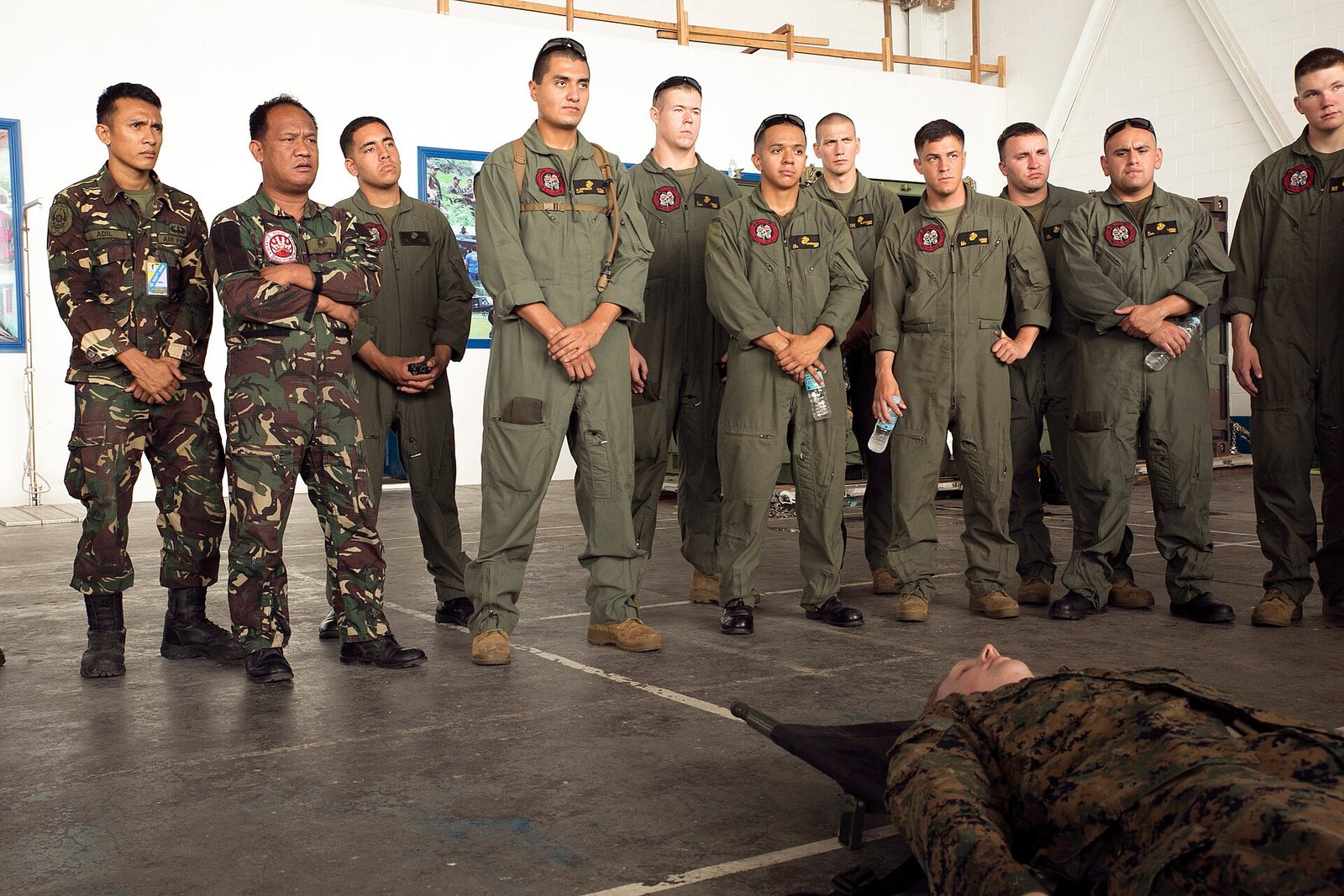
Photo: Philippine and U.S. service members learn to identify heat stroke during a Balik by Lance Cpl. Abbey Perria, Public domain