 By
The Philippines’ Department of Labor and Employment is set to release heat safety guidelines to protect workers from extreme temperatures as the country braces for El Niño, according to the Daily Tribune. The story, published 16 October 2026 under the heading “DOLE prepares heat safety rules for workers amid El Niño,” does not state an exact release date for the guidelines.
No names, titles, direct quotes, numbers, percentages, amounts, or law and order names were provided in the source text. The report indicates only that the planned release is forthcoming, with no additional details on what happens next.
Why the guidelines matter now
The timing of the national DOLE guidelines is tied directly to the El Niño weather pattern, which typically brings prolonged dry spells and higher temperatures to the Philippines. For HR managers and payroll leads, this creates immediate operational questions: when to adjust outdoor work schedules, how to document heat-related absences, and what obligations employers have under existing occupational safety rules.
The national guidelines will sit alongside existing regional measures. The Bangsamoro Ministry of Labor and Employment in BARMM issued Labor Advisory No. 001, series of 2025, titled “Safety Health Measure to Prevent and Control Heat Stress at the Workplace.” That regional advisory covers heat stress prevention through administrative controls, engineering controls, personal protective equipment, worker training, monitoring, and emergency response. It does not, however, mention El Niño or national DOLE coordination.
What employers should watch for
The national DOLE guidelines have not yet been published, so specific heat index thresholds, work-rest ratios, and penalty provisions remain unknown. Employers should avoid assuming the national rules will mirror the BARMM advisory or any previous department orders.
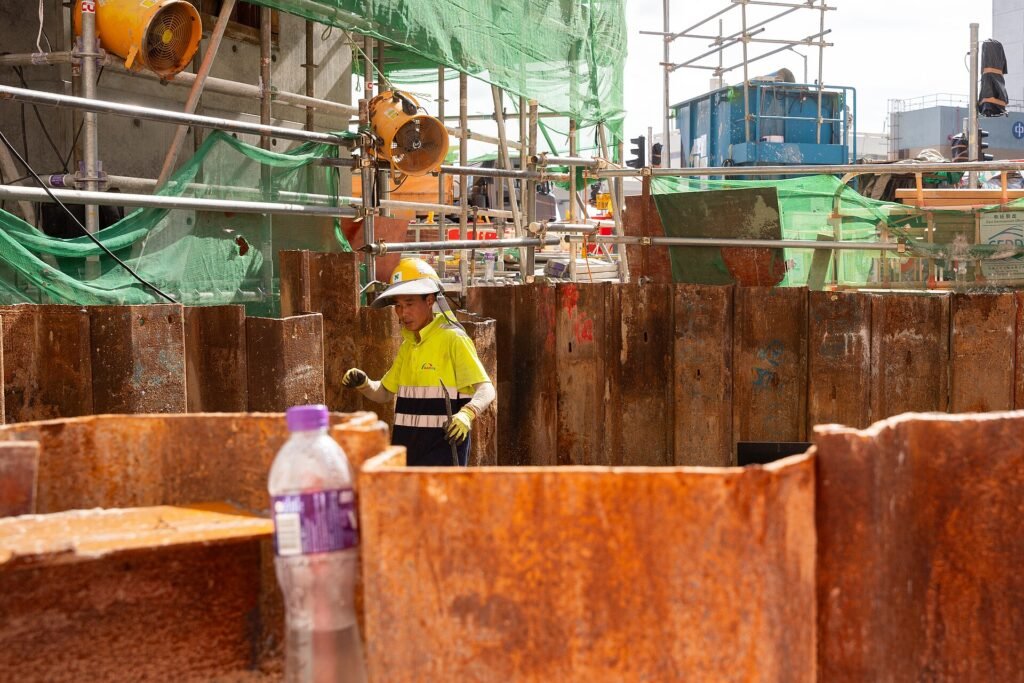
What is clear from existing practice is that DOLE heat safety measures typically address outdoor and non-air-conditioned indoor work. Construction, agriculture, manufacturing, and logistics operations are the most likely to be affected. HR teams should prepare to review current heat exposure controls, including water access, shaded rest areas, and first aid protocols for heat exhaustion and heat stroke.
Payroll and timekeeping teams should also prepare for possible schedule changes. If the guidelines require shortened shifts or mandatory rest breaks during peak heat hours, timekeeping systems and attendance policies may need adjustment. Employers with piece-rate or daily wage workers will need clear guidance on how heat-related stoppages affect pay.
Existing legal framework
The national guidelines will likely operate within the framework of Republic Act No. 11058, the Occupational Safety and Health Standards Act, and its implementing rules under Department Order No. 198, series of 2018. That law requires employers to provide safe working conditions and gives DOLE authority to issue labor advisories on specific hazards.
The BARMM advisory shows one regional approach, but BARMM has its own labor ministry and can issue separate rules. Employers operating in both BARMM and other regions should track both the national DOLE guidelines and any regional advisories that may differ in scope or thresholds.
Practical steps while waiting
Employers do not need to wait for the national guidelines to act. Existing OSH obligations already require hazard identification and risk assessment for heat stress. HR teams can take several preparatory steps now.
First, identify which roles involve outdoor work or high-heat indoor environments. Second, review current water and rest break policies against the general duty to prevent heat-related illness. Third, train supervisors to recognize early signs of heat stress, including dizziness, headache, nausea, and confusion. Fourth, check whether first aid kits include supplies for cooling and rehydration.
One gap in the current public information is whether the national guidelines will be mandatory or advisory. Labor advisories in the Philippines can be either, and enforcement depends on the language used and the issuing authority. Until the text is published, employers should treat the forthcoming guidelines as likely to inform DOLE inspections and compliance assessments.
What remains unanswered
The Daily Tribune report leaves several questions open. There is no stated heat index trigger, no list of covered industries, no penalty structure, and no effective date. The national guidelines may adopt a tiered system similar to other countries, with escalating requirements as the heat index rises, but that is not confirmed in the available reporting.
Employers and workers should monitor official DOLE channels for the published text. Once released, the advisory or department order number, title, and date of issuance will determine how it interacts with existing rules and whether it applies nationally or only to specific sectors.
Sources: Daily Tribune
Photo: Watch what you heat, fire safety 131009-M-NT332-000 by Cpl. Sarah Cherry, Public domain