 By
Qatar’s Ministry of Labour has clarified the rules governing notice periods and end-of-service gratuity under the country’s Labour Law, according to an explainer published by Qatar Living and last reviewed on 25 October 2026. The guidance covers employees subject to Qatar Labour Law No. 14 of 2004, as amended, and sets out how notice must be given, what compensation applies when it is not, and how end-of-service benefits are calculated.
The explainer confirms that after probation, the standard written notice period is one month during the first and second years of employment, rising to two months after an employee completes two years. Notice must be given in writing. Where either party terminates without observing the required notice period, the terminating party must compensate the other at a rate equal to the employee’s basic wage for the full notice period or the unserved portion. Article 50 separately requires an employer to pay full remuneration during any notice period in which the employee continues working normally.
What the law actually says about notice
The notice rules sit primarily in Article 49 of Labour Law No. 14 of 2004, as amended by Decree-Law No. 18 of 2020. The one-month and two-month thresholds are statutory minimums tied to length of service, not to contract type. An employment contract may specify a longer notice period, but it cannot lawfully reduce the statutory minimum.
The worked example in the Qatar Living explainer is straightforward: an employee earning a monthly basic wage of QAR 5,000 who is required to serve one month’s notice but leaves without serving any of it may owe compensation of QAR 5,000. The same principle applies in reverse. An employer that terminates an employee without notice must pay the basic wage for the unserved portion of the notice period.
Two practical points matter for HR and payroll teams. First, the compensation is calculated on basic wage, not total remuneration including housing and transport allowances. Second, Article 50 creates a separate obligation to pay full remuneration, including allowances, for any notice period actually worked. A common employer mistake is to pay only basic wage during a worked notice period, which exposes the business to a wage claim.
How end-of-service gratuity is calculated
Employees who complete at least one year of employment are generally entitled to an end-of-service gratuity of at least three weeks of their last basic wage for every year worked, subject to specific exceptions under the law. The calculation uses the last basic wage, not an average of earnings over the employment period.
The Qatar Living explainer does not provide a full tiered formula, but the general rule under Article 54 of Law No. 14 of 2004 is that gratuity accrues at three weeks of basic wage per year for the first three years, four weeks per year for years three to five, and five weeks per year for each year beyond five. The total gratuity is capped at two years of basic wage.
A worked example helps. An employee with a basic wage of QAR 5,000 and four years of service would receive three weeks per year for the first three years, or QAR 45,000, plus four weeks for year four, or QAR 20,000, for a total of QAR 65,000. The cap rarely applies to short service but becomes relevant for employees with more than roughly ten years of service, depending on the wage level.
The distinction between basic wage and total wage is the single most frequent source of dispute. Housing, transport and other allowances are excluded from the gratuity calculation unless the employment contract or a company policy expressly includes them. HR teams should ensure the employment contract defines basic wage clearly and consistently with the payroll system.

Coverage gaps and where disputes go
The notice and gratuity provisions apply only to employees covered by the general Labour Law. Government employees, domestic workers and certain other categories are subject to separate rules. Domestic workers in particular fall under a separate law, and employers should not assume the Labour Law gratuity formula applies to them.
Law No. 9 of 2026 introduced further amendments affecting the scope of the Labour Law and certain grounds for dismissal, though the Qatar Living explainer does not detail those changes. Employers should review any updated Ministry of Labour circulars before relying on older dismissal procedures.
Disagreements over notice periods, unpaid wages or end-of-service gratuity can be submitted through the Ministry of Labour’s official complaints system. Unresolved individual employment disputes may be referred to the Labour Dispute Settlement Committee. Employees should provide a formal resignation letter or written notification and retain evidence of when notice was received. Email may provide a useful written record, but employees should follow their employer’s formal notification procedures and ensure they can demonstrate notice was delivered.
What HR and payroll teams should do now
The practical steps are straightforward. First, audit employment contracts to confirm that notice clauses meet or exceed the statutory minimums and that basic wage is defined separately from allowances. Second, build the gratuity formula into payroll calculations so that final settlements are accurate and consistent. Third, document all notice periods in writing, including the date notice was received, because that date determines whether the one-month or two-month threshold applies.
A comparison table helps clarify the notice thresholds:
| Length of service | Statutory written notice |
|---|---|
| During probation | No statutory notice under Article 39 |
| First and second years | One month |
| After completing two years | Two months |
The most common payroll error is calculating gratuity on total salary rather than basic wage. The second is failing to pay full remuneration, including allowances, during a worked notice period. Both are avoidable with clear contract drafting and a documented final settlement checklist.
Sources: Qatar Living
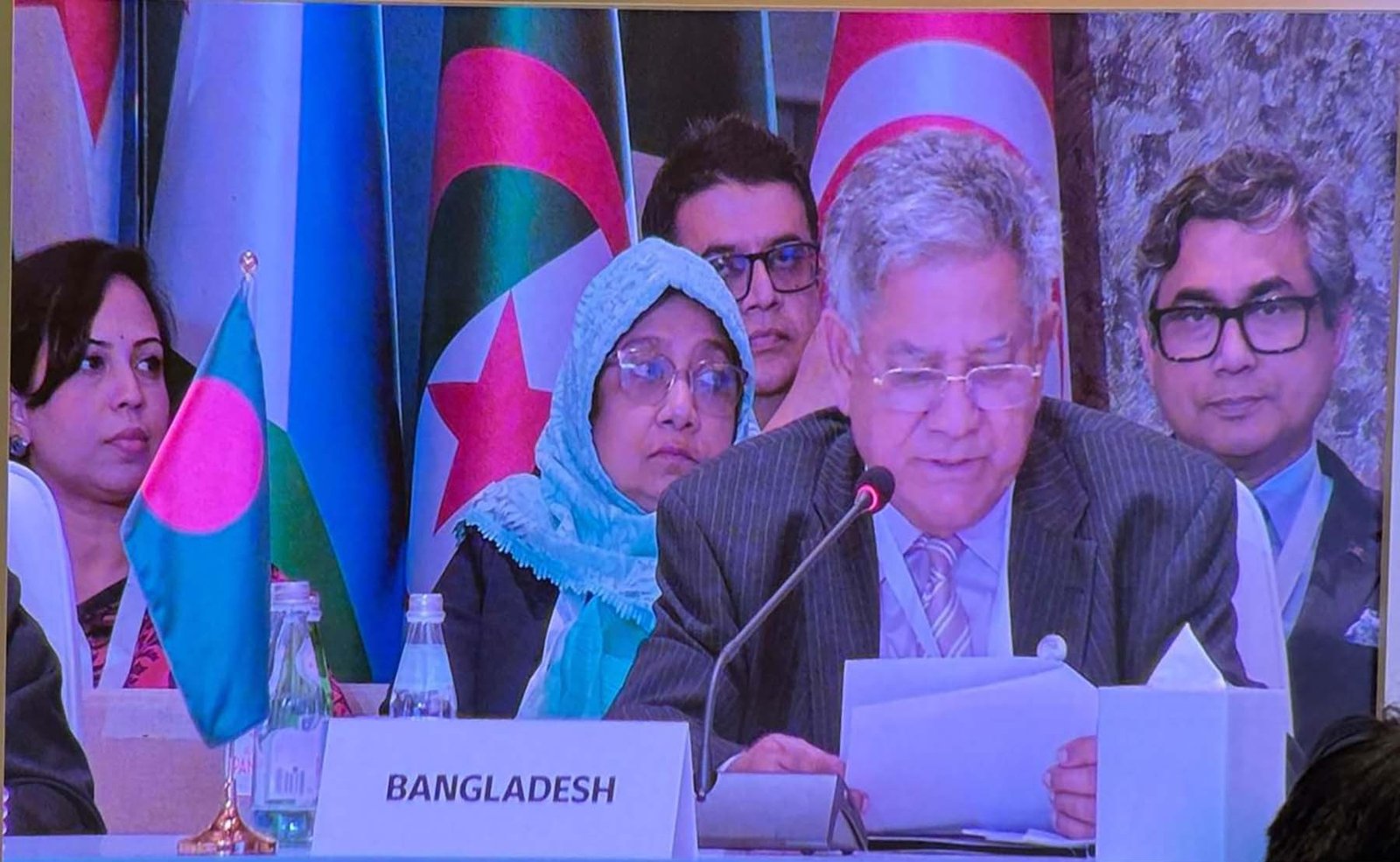
Photo: M Sakhawat Hossain speaking at 6th OIC Labour Ministers Conference Doha Qatar 20 by Press Information Department , Public domain