
 By
A Telstra call centre worker who rang his own mobile phone 236 times to avoid taking customer calls has lost an unfair dismissal claim in Australia, according to OnNotice. The Fair Work Commission heard the matter and found against the worker, whose name was not published in the report.
The case was reported by OnNotice on 24 November 2026. The worker’s dismissal followed discovery of the repeated calls to his own number, a pattern the employer treated as serious misconduct. No direct quotes from the decision were included in the report, and the exact hearing date, Commissioner and ruling citation were not stated.
Why the conduct matters in Australian call centres
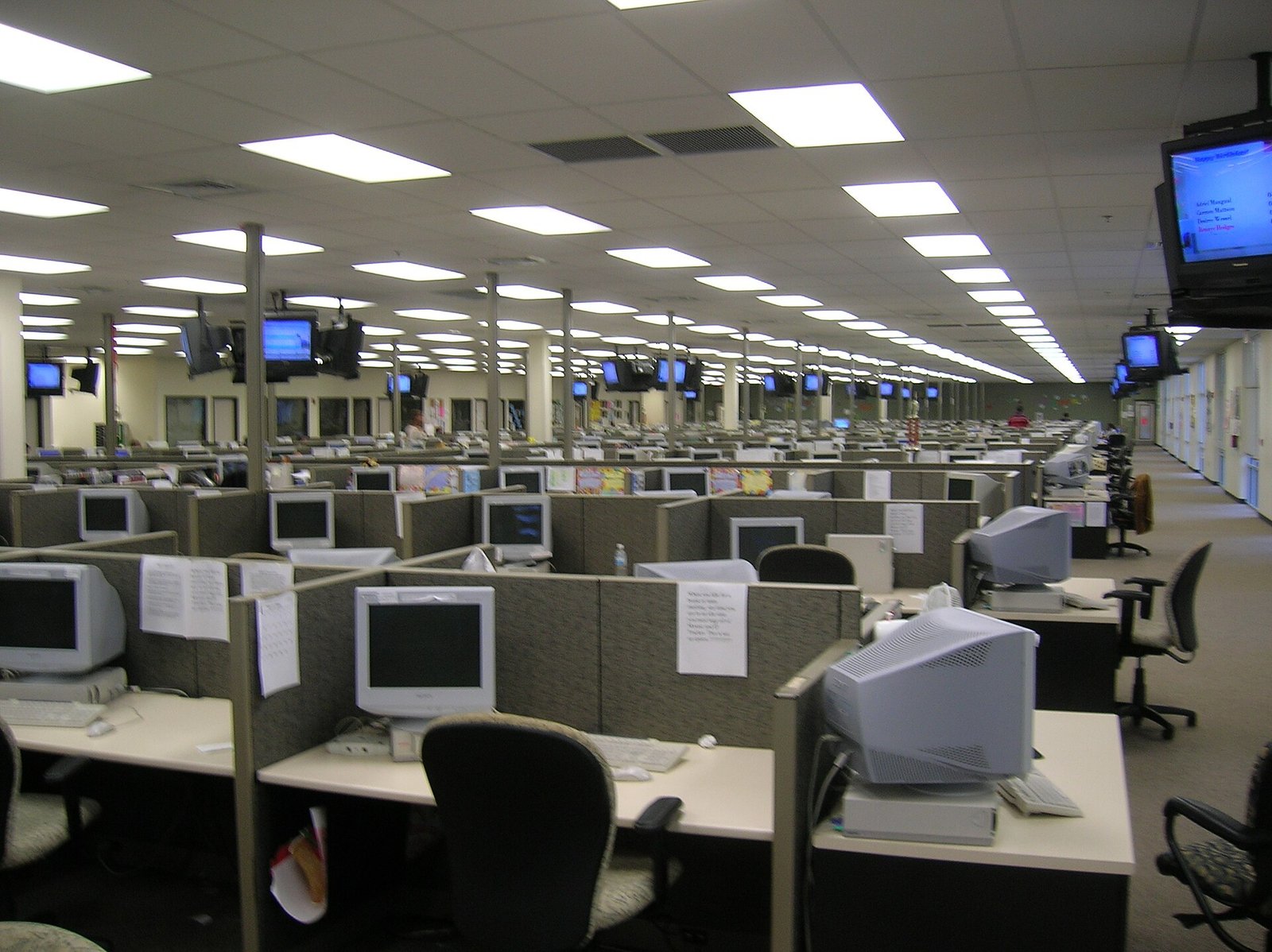
Call centre roles in Australia are commonly structured around strict adherence to schedule and availability metrics. Workforce management systems track when an agent is ready, on a call, in after-call work or in an unavailable state. A worker who calls their own mobile keeps their line busy, which can make them appear occupied while avoiding inbound customer contact.
Australian employers in sectors such as telecommunications, banking and insurance routinely treat deliberate avoidance of customer work as misconduct rather than simple underperformance. The distinction matters because misconduct can justify summary dismissal, while underperformance usually requires warnings and a performance management process first.
How the Fair Work Commission assesses these cases
The Fair Work Commission applies the unfair dismissal framework in the Fair Work Act 2009. The Commission first asks whether there was a valid reason for dismissal related to the person’s conduct or capacity. It then considers whether the person was notified of the reason, given an opportunity to respond, and whether dismissal was harsh, unjust or unreasonable in all the circumstances.
In cases involving falsified call activity or manipulated availability, the Commission has generally accepted that dishonesty can be a valid reason for dismissal. The key question is often procedural fairness: whether the employer put the allegations clearly, allowed a support person, considered any explanation, and reached a decision based on the evidence available at the time.

What HR and payroll teams should check
For HR teams managing call centre or rostered workforces, this case reinforces several practical steps. First, audit how call avoidance is detected. Many Australian employers use call detail records, workforce management reports and line state data. The evidence should be preserved before any disciplinary meeting.
Second, separate the payroll consequences from the disciplinary process. If an employee is dismissed for misconduct, Australian employers must still pay accrued but untaken annual leave and any wages owed up to the dismissal date. Long service leave entitlements may also apply depending on the state or territory and length of service. Payroll teams should calculate final pay carefully, because underpayment claims can follow even where a dismissal is upheld.
Third, document the investigation. The Fair Work Commission often looks at whether the employer gave the worker a genuine chance to explain the 236 calls. A rushed process can turn a valid reason into an unfair dismissal.
Common mistakes employers make in similar cases
One common mistake is relying on a single report without checking the underlying data. Call records can contain errors, and the worker may claim the calls were accidental, made for testing, or caused by a system fault. Employers should test that explanation before deciding.
Another mistake is applying a zero tolerance policy without considering the worker’s length of service, prior record and personal circumstances. The Fair Work Commission weighs those factors even when misconduct is proven. A long serving employee with a clean record may still succeed if the dismissal is found disproportionate.
A third mistake is failing to distinguish between deliberate avoidance and poor performance. If the evidence shows the worker was struggling with call volumes or system navigation, a performance process may be more appropriate than dismissal for misconduct.
What the case means for workforce management
The case highlights the growing role of workforce management data in Australian employment disputes. Call centres now routinely capture line state, call duration, wrap time and hold time. That data can support a dismissal, but it can also be challenged.
HR teams should ensure their workforce management platform has clear audit trails and that supervisors are trained to interpret the data correctly. A pattern of 236 calls to one number is unusual and relatively easy to verify. More subtle forms of call avoidance, such as extending after-call work or placing customers on hold, may require more careful analysis before disciplinary action.
Employers in Australia should also review their enterprise agreements and modern awards. Call centre employees may be covered by awards such as the Telecommunications Services Award or the Clerks Private Sector Award, which can affect notice periods, consultation requirements and dispute resolution procedures.
The Telstra case is a reminder that deliberate call avoidance can justify dismissal, but only where the employer follows a fair process and can prove the conduct on the evidence.
Sources: onnotice.com.au
Photo: Callcentre by Petiatil (talk) on Wikipedia-en., Public domain