 By
A former Pennsylvania hospital nurse’s wage dispute is moving forward after a federal court declined to dismiss her claims that required pre-shift tasks went unpaid. Pamela McBride sued Chestnut Hill Hospital, LLC under the Fair Labor Standards Act, alleging she was not paid for time spent changing into surgical scrubs before a mandatory 7 a.m. morning huddle, according to HRMorning.
The hospital required nurses to be in scrubs by 7 a.m. but barred employees from clocking in more than seven minutes before their shifts. Its timekeeping system rounded punches to the nearest quarter hour. McBride testified that changing took 10 to 15 minutes. If she clocked in at 6:53 a.m., the system rounded her start time to 7 a.m. A punch had to be at least eight minutes early to round back to 6:45 a.m., but hospital policy prohibited clocking in that early. The hospital argued that 418 extra minutes paid through rounding canceled out any unpaid changing time. The court disagreed and denied the hospital’s motion for summary judgment. McBride also claims the hospital assessed attendance points for intermittent Family and Medical Leave Act absences, which the court said could not be excused simply because an automated system assigned them.
When pre-shift tasks become compensable work
The central legal question is whether changing into scrubs is a “preliminary” activity that employers can exclude from pay or a “principal activity” that must be compensated. Under the Portal-to-Portal Act, employers generally do not have to pay for time spent on activities that occur before or after the principal work activity. But courts have held that tasks that are “integral and indispensable” to the employee’s principal duties are compensable.
For hospital nurses, this analysis often turns on whether scrubs are ordinary clothing or protective gear. The FLSA contains a provision, Section 203(o), that allows employers and unions to agree to exclude time spent “changing clothes” from compensable time. However, courts have distinguished between uniforms that are simply workplace attire and protective equipment that is integral to the job. A nurse changing into scrubs to maintain a sterile environment may fall on the compensable side of that line, depending on the specific facts and any collective bargaining agreement.
How payroll rounding becomes a wage violation
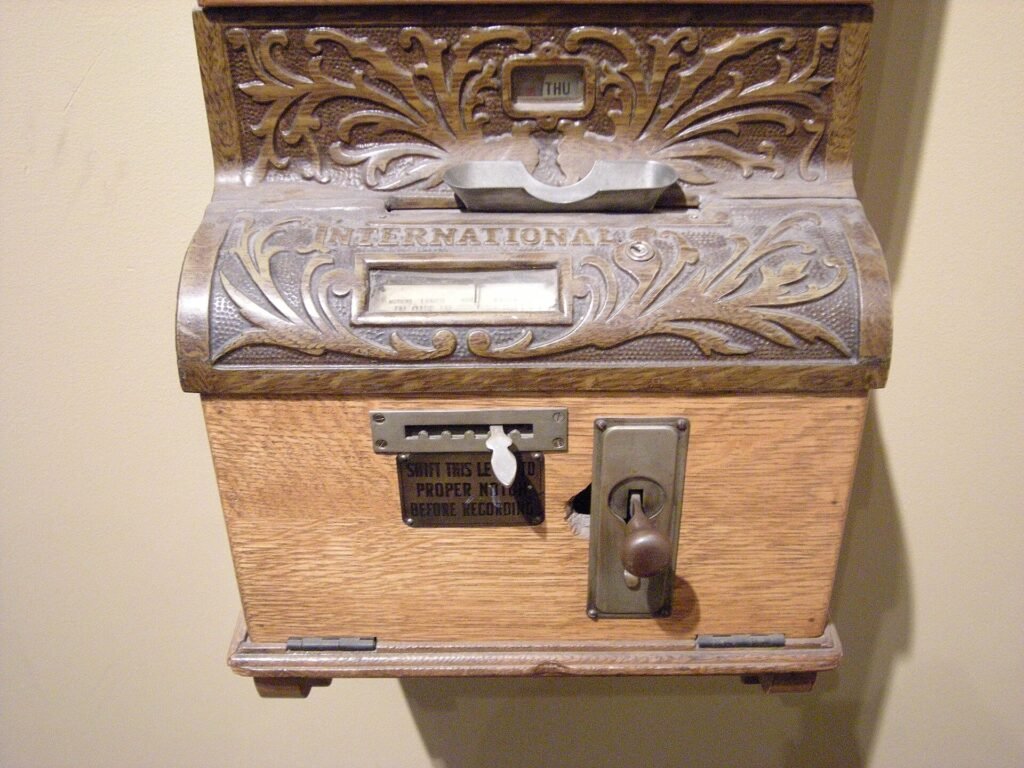
Federal regulation 29 CFR 785.48(b) permits rounding to the nearest quarter hour only if it “will not result, over a period of time, in failure to compensate the employees properly for all the time they have actually worked.” The seven-minute rule is a common application: punches at seven minutes or less round back, punches at eight minutes or more round forward.
The problem in McBride’s case is the interaction between rounding and clock-in restrictions. A neutral rounding policy paired with a rule that prevents employees from clocking in early enough to trigger a favorable round can systematically exclude compensable time. Recent federal court decisions have narrowed the rounding defense. Courts have held that rounding is unlawful if it systematically undercompensates employees, even if it appears neutral on average over time. Employers cannot rely on occasional overpayments from rounding to offset unpaid pre-shift work.
What HR and payroll teams should review now
The case highlights three practical checks for employers. First, audit whether clock-in limits prevent employees from being paid for required pre-shift tasks. If nurses must change, attend huddles, log into charting systems, or receive shift handoffs before their scheduled start, those activities may be compensable. Second, test rounding policies against actual punch data. A policy that looks neutral may still favor the employer when paired with scheduling rules. Third, review attendance point systems for FMLA compliance. Automated point assessments for protected leave create liability even without human intent.
| Rounding scenario | Clock-in time | Rounded time | Result |
|---|---|---|---|
| Allowed to clock in early | 6:52 a.m. | 6:45 a.m. | 7 extra minutes paid |
| Blocked by 7-minute rule | 6:53 a.m. | 7:00 a.m. | 7 minutes unpaid |
| Required pre-shift task | 6:45 a.m. arrival | 7:00 a.m. | 15 minutes unpaid |
Steps for employees who believe they are owed wages
Nurses and other hourly workers who suspect unpaid pre-shift time should document the specific tasks they perform before clocking in, the time each task takes, and any policies that restrict clock-in times. Records of punch times, rounded times, and pay stubs are essential. FLSA claims generally have a two-year statute of limitations, extended to three years for willful violations. State deadlines vary, with some states allowing longer periods. Workers can file a complaint with the US Department of Labor Wage and Hour Division or a state labor agency. Because state laws differ on rounding, pre-shift pay, and nurse overtime, employees should confirm the rules for their own state.
The McBride case continues in Pennsylvania federal court. Its outcome may provide further guidance on whether strict clock-in rules paired with quarter-hour rounding can exclude required pre-shift work from pay.
Sources: HRMorning
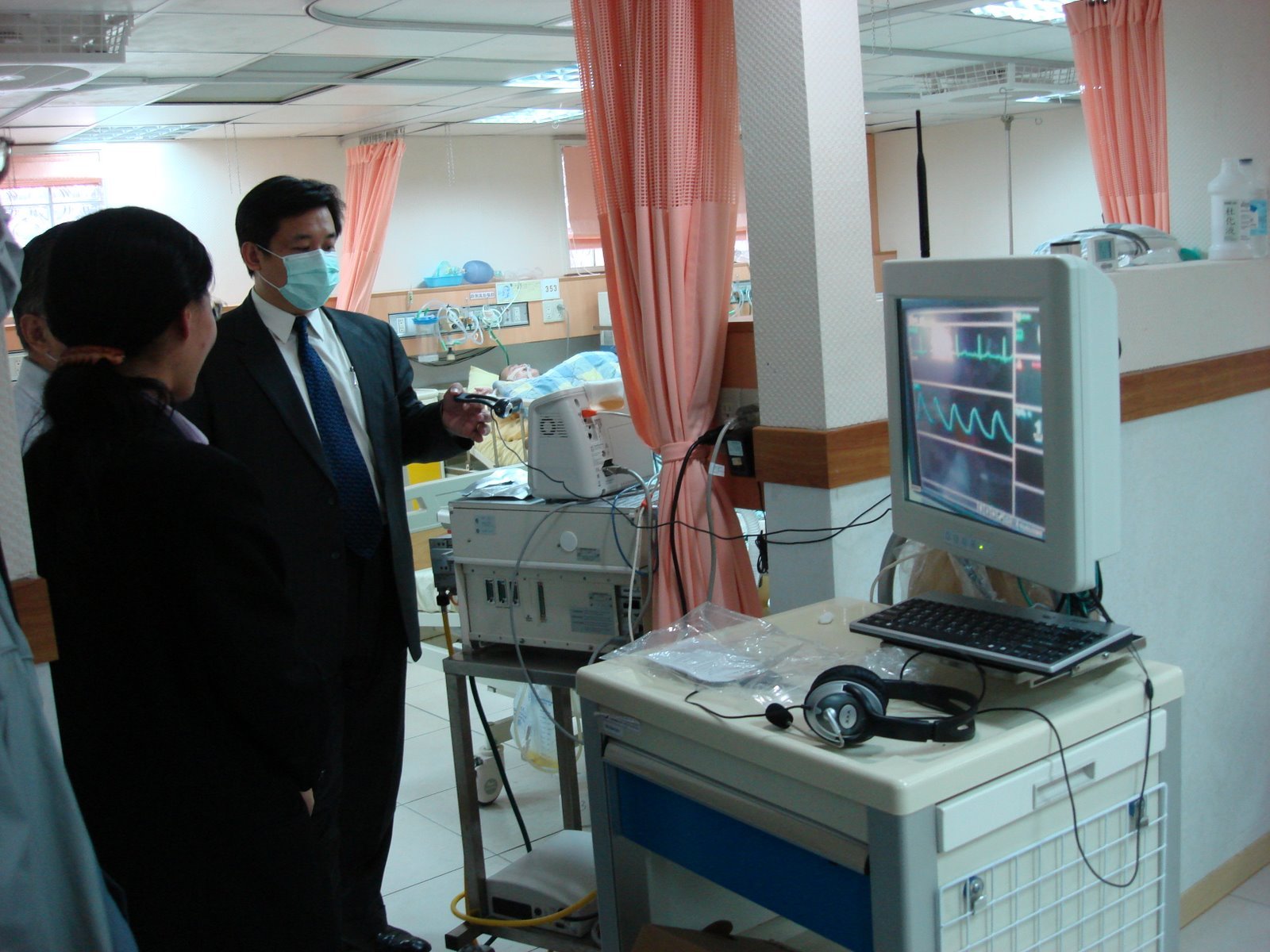
Photo: Mobile nurse station of Hsiao Chung Cheng Hospital 20071210 by Jackhsiao, Public domain