 By
The US Department of Labor has proposed the first major overhaul of the Permanent Labor Certification programme, known as PERM, in nearly 20 years. The proposal, announced by Labor Secretary Keith Sonderling, would require employers to modernize job advertising, extend posting periods, and restrict filings after layoffs, according to ETHRWorld and HRKatha.
The rule would affect companies sponsoring foreign workers for employment-based green cards under the EB-2 and EB-3 categories. The proposal is open for public feedback for 60 days before any final decision is made, HRKatha reported. Sonderling said American workers “deserve the first and best job opportunities” and that the changes would put them “first in line” for high-skilled roles.
What PERM requires today
PERM is the labor certification step that precedes most employer-sponsored green card filings. Before a company can petition for a foreign worker under EB-2 or EB-3, it must test the US labor market. The employer places a job order with the state workforce agency, runs two Sunday print newspaper advertisements, and posts an internal notice for ten business days. If no qualified US worker applies, the employer files ETA Form 9089 with the Department of Labor.
That process has remained largely unchanged since 2005. HR teams running PERM cases have long relied on print ads even as hiring moved online. The proposed rule would replace that model with recruitment channels that reflect how companies actually hire in 2026.
How the proposed advertising rules would work
Under the proposal, employers would need to advertise PERM positions through the same channels they use for comparable roles that do not require labor certification. That could include company career pages, online job boards, social media platforms, job fairs, and campus recruitment events. Print-only advertising would no longer satisfy the requirement.
The minimum posting window would rise to 90 calendar days. If an employer normally keeps similar positions open longer, that longer period would apply. HR teams would also need to document genuine consideration of US applicants and provide job-related reasons for any rejections. This raises the compliance burden for recruiters, who would need to retain notes showing why each US applicant was not qualified.
Layoff restrictions and the two-year lookback
The proposal introduces a two-year lookback period tied to layoffs. Employers would be barred from filing a PERM application if they laid off US workers in the same or a similar occupation at the relevant work location during the previous two years. HRKatha reported that companies with layoffs may be barred from sponsoring foreign employees for the same positions for up to two years.
The rule would also create obligations after filing. If an employer lays off American workers after submitting a PERM application, it would have to consider potentially qualified laid-off employees for the sponsored position. That requirement could continue until the related Form I-140 immigrant petition is approved or the case reaches a final decision. For employers in sectors with recurring restructuring, this could delay or block green card sponsorship for affected job categories.
What this means for HR and payroll teams
HR teams should treat the proposal as a signal to audit current PERM practices. The shift to digital advertising may sound simpler, but it creates new documentation requirements. Recruiters will need to show which channels were used, when postings went live, and how long they remained open. Payroll teams are less directly affected, but they may be asked to confirm work locations for layoff lookback analysis, since the restriction applies to the relevant work location.
The proposed rules also interact with existing compliance risks. Microsoft and Adobe were recently suspended from parts of the programme while investigations into hiring practices are ongoing, HRKatha reported. That suggests enforcement scrutiny is already rising, even before the rule is finalized.
Deadlines and next steps
The 60-day public comment period is the immediate window. Employers, industry groups, and immigration counsel can submit feedback during that time. No final rule has been issued, and the proposal could change before implementation. HR teams with active PERM cases should continue following current requirements until the Department of Labor publishes a final rule with an effective date.
The backlog adds urgency. More than 1.56 million green card applications were pending as of June 2026, including over 268,000 employment-based cases, according to USCIS data cited by HRKatha. Any rule change that slows PERM processing or adds recruitment steps could extend wait times further.
| Proposed change | Current practice | Proposed requirement |
|---|---|---|
| Advertising channels | Print newspaper ads | Company websites, job boards, social media, job fairs, campus recruiting |
| Posting duration | Varies by role | Minimum 90 calendar days |
| Layoff lookback | No explicit bar | Two-year bar for same or similar occupation at the work location |
| Post-filing layoffs | No stated duty | Consider laid-off US workers until I-140 approval or final decision |
Employers should confirm how the final rule applies to their specific state and industry, since state workforce agency procedures may differ. Legal counsel should review any PERM filing that follows a layoff in the same occupation.
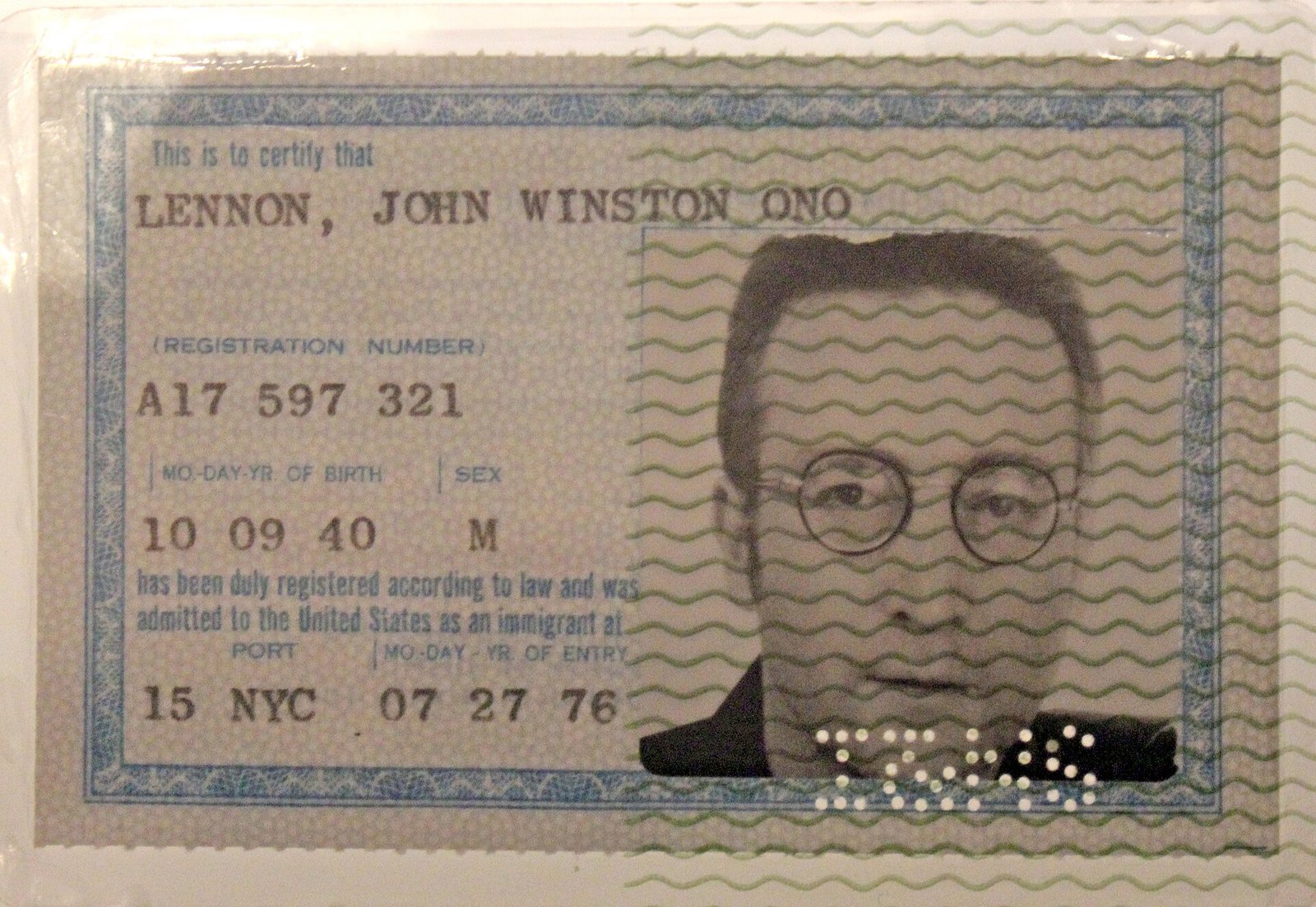
Photo: Lennon's Green Card by Rodhullandemu, Public domain