 By
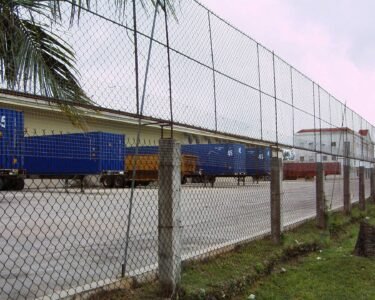
The International Labour Organization expanded its human rights due diligence training for Thailand’s automotive and electronics sectors on 14 and 15 November 2026, according to Devdiscourse. More than 40 participants, mostly trade union and worker representatives from automotive, auto-parts and electronics supply chain companies, attended the sessions in Chachoengsao, with participants drawn from the Eastern Economic Corridor and other manufacturing provinces.
The training, delivered through the ILO’s Advancing Responsible Supply Chains and Decent Work in Asia project, helps worker representatives understand how to identify labour rights risks and contribute to workplace decisions. It focused on placing workers’ knowledge and participation at the centre of efforts to improve conditions across supply chains. The initial programme launched in June 2026 and reached more than 50 companies. Japan’s Ministry of Economy, Trade and Industry supported the initiative alongside the Confederation of Thai Electrical Appliances, Electronic, Automobile and Metalworkers (TEAM).
Why Thailand’s manufacturing workforce needs this training
Thailand ranks among the world’s leading producers and exporters of automotive and electronics products. The two sectors employ approximately 1.45 million workers, making them central to the country’s export economy and a significant source of formal employment. The concentration of these industries in the Eastern Economic Corridor means labour practices in a relatively small geographic area have outsized consequences for Thailand’s reputation among global buyers.
The training responds to a gap identified by workers’ organizations themselves. Requests for further training highlighted the need for a clearer understanding of human rights due diligence and workers’ role in putting it into practice. TEAM President Laray Youpensuk said workers had previously viewed due diligence mainly as a management responsibility, with growing awareness revealing the need for participation across the company.
What the training covers in practice
The sessions drew on international labour standards and the ILO’s MNE Declaration, which calls for meaningful consultation with workers’ organizations grounded in social dialogue. Participants examined how workers can flag problems on production floors, help develop preventive and corrective measures, and monitor whether those measures work.
A central theme was how workers can raise concerns and seek remedies without facing retaliation. The training gave particular attention to risks affecting migrant, contract and women workers, groups that often face additional barriers to speaking up. Practical sessions focused on dialogue between employers and workers, supported by cooperation within the workplace.
Mattie Milliken, ILO Project Technical Officer, said rising expectations make the quality of companies’ due diligence increasingly important. Her message emphasised involving workers from the beginning in identifying risks and setting priorities, giving them a role in shaping decisions rather than simply receiving information about completed plans.
What this means for HR and payroll teams
For HR managers in Thailand’s manufacturing sector, the training signals a shift in how worker representatives will engage with due diligence processes. Union representatives who complete this training will expect to be consulted earlier and more substantively on risk identification, corrective action planning and remedy mechanisms.
The focus on migrant, contract and women workers has direct implications for payroll and HR administration. These worker categories often sit outside standard payroll structures, with different payment arrangements, contract terms and grievance channels. The training’s emphasis on non-retaliation means HR teams should review how they handle complaints from these groups and whether current channels genuinely protect workers who raise concerns.
Employers should also note the framing used by TEAM’s president. He described employers’ decision-making authority and workers’ direct knowledge of production conditions as complementary strengths that can improve productivity and advance decent work. This positions worker participation as an operational asset rather than a compliance burden.
The remedy tool and next steps
The RSC project will continue involving worker representatives in its activities, including the development of a practical tool to help enterprises strengthen access to remedies within workplaces. HR teams should watch for this tool and consider how it might align with existing grievance mechanisms.
The move toward higher-value manufacturing, including electric and zero-emission vehicles, makes human rights protections and decent work essential to a sustainable and competitive industrial transition, according to the ILO’s additional context. Strong labour market institutions support this process by enabling workers to organize, bargain collectively and raise grievances safely.
For employers, the practical takeaway is to prepare for more informed worker participation in due diligence. That means reviewing current consultation practices, ensuring grievance channels are accessible to migrant and contract workers, and treating worker knowledge of production conditions as a resource for identifying risks before they escalate.
Sources: Devdiscourse
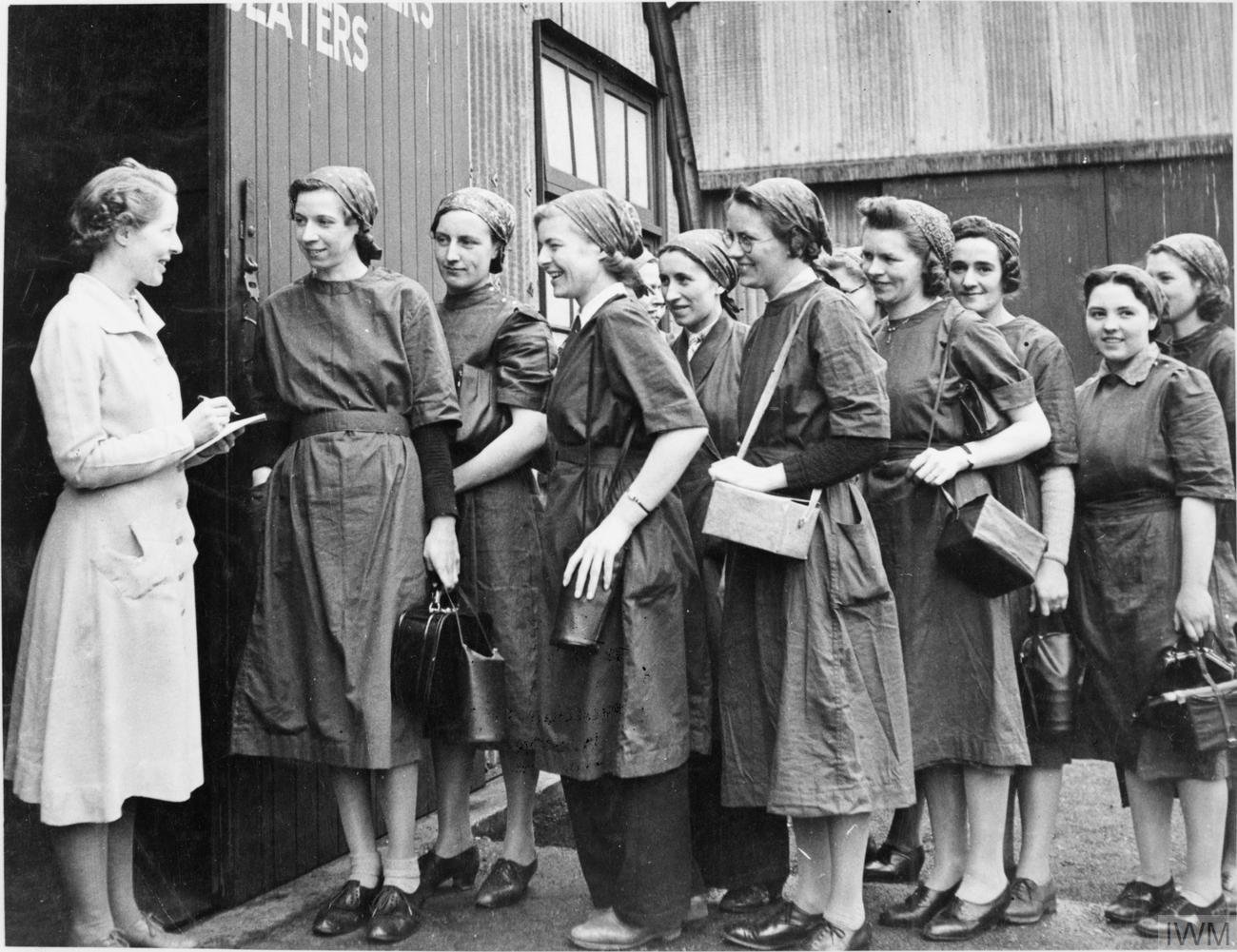
Photo: Women's Factory War work at Slough Training Centre, England, UK, 1941 D3500 by Ministry of Information Photo Division Photographer, Public domain