 By
A Mauritian trade unionist says 22 former garment workers have died without receiving compensation owed to them after two clothing factories failed, according to The Rio Times. Fayzal Ally Beegun raised the figure during a meeting with Labour Minister Reza Uteem at Victoria House in Port Louis on Thursday 19 November 2026.
Beegun said 15 of the dead workers came from Padco Ltd, which closed in August 2020, and seven from Star Knitwear Ltd, which ended the contracts of about 240 workers in January 2025. “It is very sad when a worker who gave 15 to 20 years to a company is no longer here before the compensation arrives,” Beegun said, according to the report. The Rio Times found no official tally of deceased workers.
Why the insolvency queue leaves workers last
Mauritius follows a creditor hierarchy when a company enters insolvency. Secured creditors such as banks hold claims over specific assets and are paid from the sale of those assets first. Workers with unpaid wages and severance are unsecured creditors and share only what remains after secured claims and insolvency costs are settled.
Beegun wants the law amended so employees are paid first when a company goes bankrupt. He told the minister that when a company enters administration, assets are sold to repay creditors and workers receive only what is left. The government has not issued a statement on changing the law, and it is unclear whether the proposal has backing.
The practical effect is visible in the Padco case. The Labour Minister asked the administrator to use part of Rs 45 million blocked at Padco to pay workers. The administrator refused, saying certain procedures had to come first. More than six years after Padco closed, some former workers do odd jobs such as cleaning toilets.
What the three garment cases show
Three Mauritian garment employers illustrate different stages of the same problem.
Padco Ltd closed in August 2020 and remains in insolvency. Rs 45 million is blocked, and workers have not been paid. Most former Star Knitwear staff are over 55, and some gave 30 to 38 years to the plant. Star Knitwear owes more than Rs 1 billion, with a figure of about Rs 1.2 billion cited this week. Its assets were valued at about Rs 200 million in July 2025. MauBank is among the main creditors, and the receiver has not said what share workers can expect.
World Knits, another garment maker in administration, owes more than 500 workers between four and six months of wages. On Friday 13 November 2026, workers voted against liquidation by 374 votes of 405, seeking guarantees on unpaid wages and years of service.
| Employer | Status | Amount owed or blocked | Worker outcome |
|---|---|---|---|
| Padco Ltd | Insolvent since August 2020 | Rs 45 million blocked | 15 former workers died unpaid |
| Star Knitwear Ltd | Receivership since January 2025 | Over Rs 1 billion owed | 7 former workers died unpaid |
| World Knits | Administration | 4 to 6 months of wages for 500+ workers | Workers voted against liquidation |

What HR and payroll teams should watch
The cases highlight a payroll risk that HR teams often treat as a finance matter. When a Mauritian employer shows signs of distress, payroll staff should check whether wages, severance and pension contributions are current. Under Mauritian law, unpaid wages become claims in insolvency, but the timing of a claim does not move a worker ahead of secured creditors.
HR teams should also track receivership deadlines. The receiver is due to report on a Star Knitwear building sale by Friday 11 December 2026. That report may indicate what workers can expect, but it will not change the creditor ranking unless the law is amended.
Beegun has asked the minister and the Prime Minister’s Office to press MauBank so workers can be paid. Employers and HR readers should treat that as a political request, not a legal mechanism. No change to the creditor hierarchy has been announced.
What happens next
The immediate deadline is the receiver’s report on the Star Knitwear building sale, due by 11 December 2026. Former Star Knitwear workers planned a protest at Parliament on 30 April 2026. Beegun has called the situation “a disgrace for all governments since independence” and wants the law changed so employees rank first in insolvency.
For HR and payroll readers in Mauritius, the practical step is to verify where employee wages and terminal benefits sit in any distressed employer’s creditor schedule. The law currently places them behind secured creditors, and the cases of Padco and Star Knitwear show that waiting can outlast a worker’s lifetime.
Sources: The Rio Times
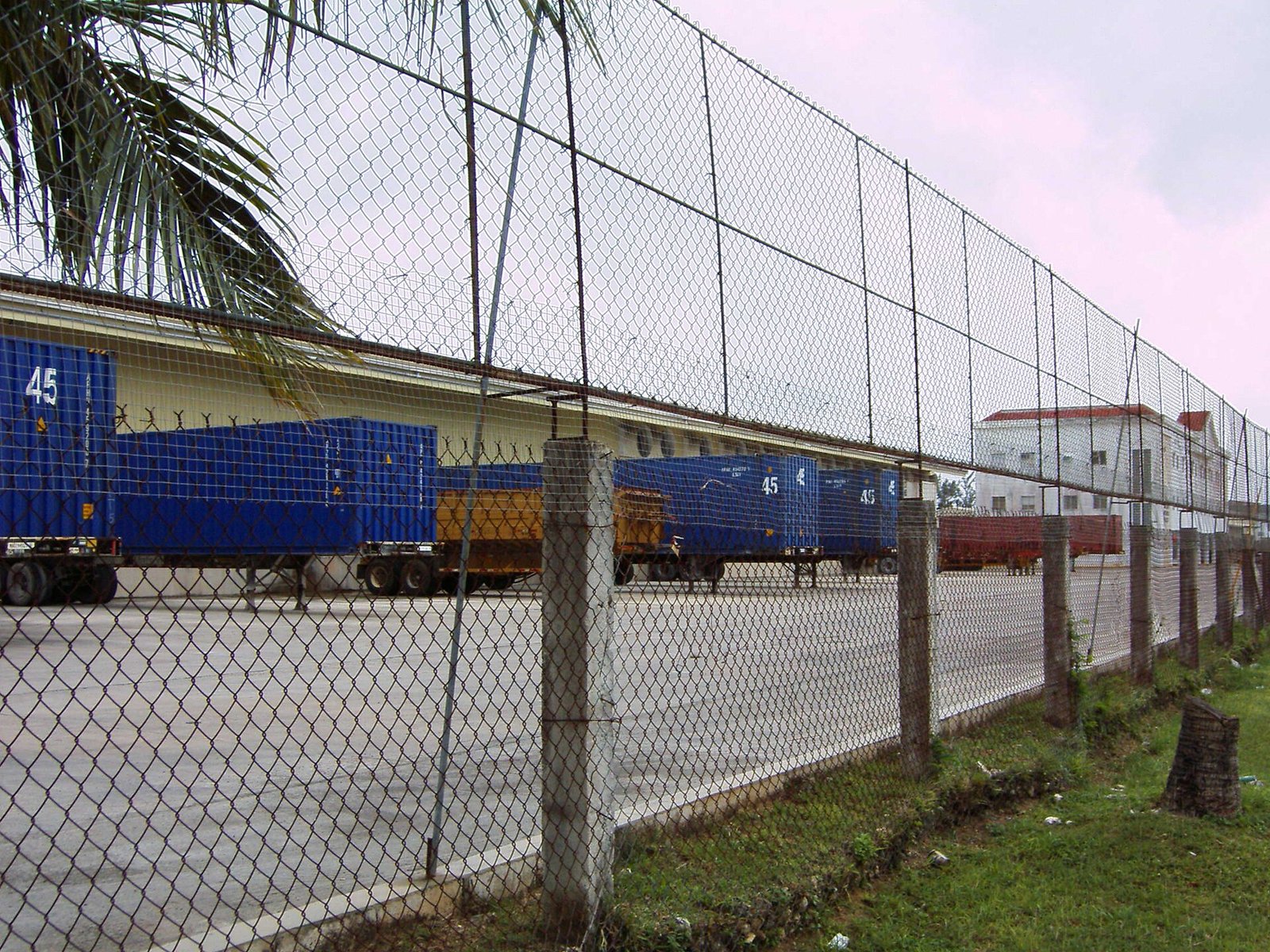
Photo: Saipan Garment Factory 1 by Stephen Ewen, CC BY-SA 3.0